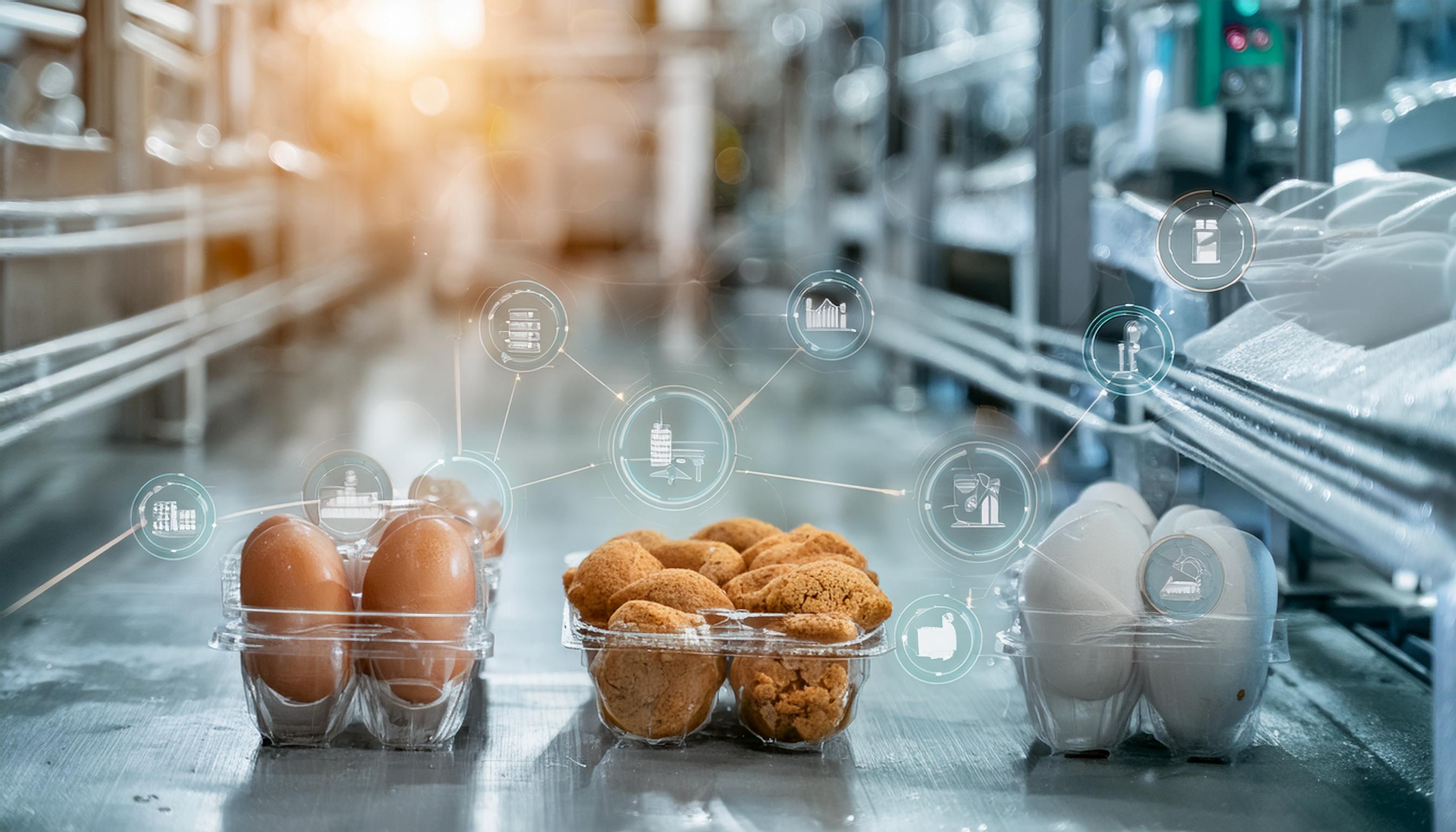
New independent industry study aims to establish a definitive picture of digital maturity as manufacturers prepare for a new era of regulatory and operational change
TraceGains, the leading provider of compliance, quality, and innovation solutions for the food and beverage (F&B) industry, today announced the launch of a major new industry research initiative designed to understand how food and beverage manufacturers across Europe are responding to rising operational, regulatory and commercial pressures and where current processes, systems and ways of working may be holding progress back.The European Food & Beverage Digitalization Benchmark 2026 invites operational leaders from across the European F&B sector to share how their organizations are approaching digitalization in areas such as ingredient sourcing, traceability, supplier collaboration, regulatory compliance and new product development. The independent study will explore how prepared manufacturers are to manage these increasing pressures and to meet the evolving needs of new product development, and where digitalization could help them overcome the challenges of today’s industry.
The study comes at a pivotal time for the industry, with manufacturers under pressure to launch faster, manage more supplier and ingredient data, respond to more demanding customers, prove compliance more quickly, and reduce risk across increasingly complex supply chains. At the same time, a series of significant European regulatory milestones – including the EU Deforestation Regulation (EUDR), Digital Product Passport (DPP) requirements, and Packaging & Packaging Waste Regulation (PPWR) – is placing unprecedented emphasis on data quality, transparency and operational agility.
Despite the scale of these changes, many manufacturers continue to rely on fragmented systems, manual processes and disconnected data, yet there has been no comprehensive, independent benchmark focused specifically on the digital maturity of Europe’s food and beverage manufacturing sector. With a focus on quality, compliance, procurement, regulatory affairs, operations, and product development, the European Food & Beverage Digitalization Benchmark seeks to address that gap.
“Food and beverage manufacturers are being asked to do more, faster, and with greater evidence behind every decision, from sourcing and compliance through to product development and customer response,” said Bal Chand, European Marketing Manager with TraceGains. “But many teams are still working across disconnected processes, manual data requests and systems that make it harder to keep pace. By contributing to this benchmark, organizations are helping establish a shared understanding of where European food and beverage manufacturing is today, and what needs to change if the sector is to keep pace with the demands ahead.”
As part of the initiative, participating European manufacturers will receive a personalized Digital Maturity Assessment, providing an immediate evaluation of their organization’s capabilities across five key dimensions of digital maturity, together with practical recommendations for improvement.
“Once the survey concludes, participants will also receive a second, personalized report comparing their organization anonymously against peer businesses within the wider European benchmark,” said Bal. “All published findings will be presented in aggregated, anonymous form, and of course individual company data will remain confidential and will never be disclosed.”
Beyond providing participating organizations with practical insight into their own digital readiness, the benchmark aims to create an authoritative evidence base that benefits the wider industry.
“The resulting report will identify emerging trends, highlight areas of common challenge, explore investment priorities, and provide policymakers, manufacturers, technology providers and industry bodies with a clearer understanding of how digital transformation is progressing across Europe’s F&B sector,” added Bal. “We hope the benchmark will become an annual measure of industry progress, enabling year-on-year comparisons as manufacturers adapt to evolving market demands, regulatory requirements and technological innovation.
“The future of the industry is dependent on better data, stronger collaboration and informed decision-making,” said Bal. “By contributing to this benchmark, organizations are helping establish a shared understanding of where European food and beverage manufacturing is today, and what it will take to thrive in the ever-evolving world of tomorrow and beyond.” |
|


 + 44 (0) 1400 283090


 August 5th, 2026.




























 + 44 (0) 1400 283090