Become a member

WHY FIRMS LOOKING TO CUT CARBON EMISSIONS, AS WELL AS COSTS, SHOULD ASSESS THEIR PALLET MATERIALS

High Performance Wrapping Solutions
By Andrew Chinnery, managing director of Excelerate Ltd and member of BFFF’s Packaging Special Interest Group

According to a report from The Guardian, an estimated 8.3 billion tonnes of plastic has been produced since the 1950s, and only 9% of it being recycled. The rest has either been buried or burnt.

With scrutiny on the polythene industry, manufacturers now have a responsibility to minimise their impact on the planet. Over the past few years, we have seen industry leaders working towards reducing their plastic usage and removing unnecessary plastics from their products, whilst also creating more sustainable and eco-friendly solutions for their customers.

It is a step in the right direction. But what about the plastics you do not typically see?

In the UK, it’s estimated more than 150,000 tonnes of pallet wrap is used every year. With this comes significant plastic waste, which is hampered by using cheaper, mass produced films – meaning substantially more polythene must be used for the job and rolls are often discarded due to poor performance.

Unfortunately, it is not an easy problem to solve. Using conventional films with reduced thickness results in lost performance and the potential for product loss and unstable pallets, not to mention all the dangers and costs involved in a pallet collapsing.

One solution is using multi-layer nano technology, which delivers the strength of traditional films but reduces the thickness by up to 50%.

There are now established supply routes for the thinnest high-performance films and those which contain recycled content to match that required by UK government.

Other solutions include using plastics produced as a by-product of sugar production (sustainable crops). These high-tech films are now being trialled in breathable (perforated) applications.

By switching to these films, businesses can cut the cost of packaging items, as well as the carbon footprint.

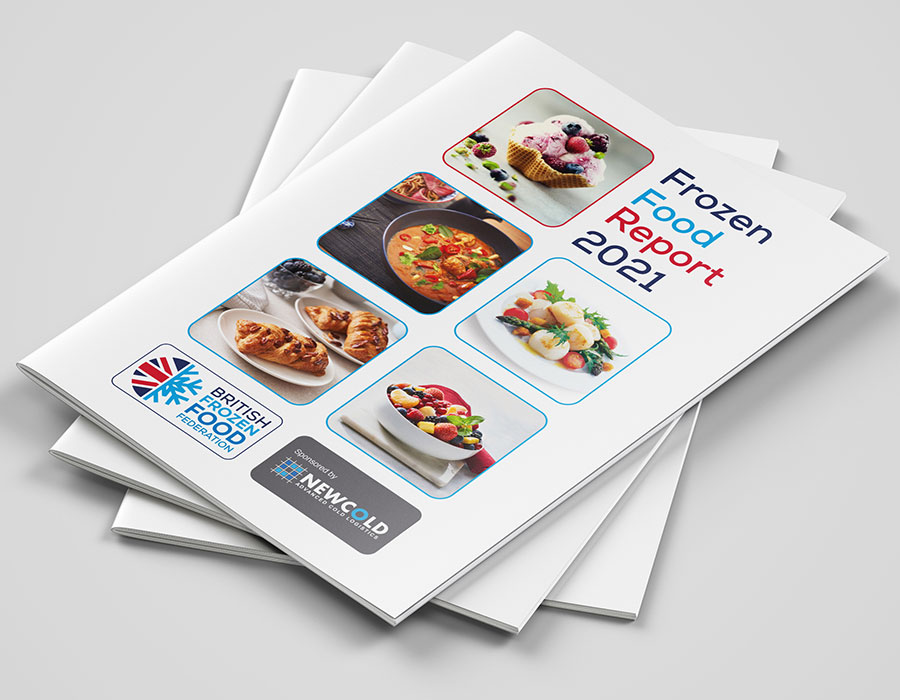
Article from The Frozen Food Report 2021 – view full report here

THE BIG INTERVIEW: DIRK WOHLGEMUTH, DIRECTOR OF SALES AND MARKETING AT IIC PACKAGING

IIC Packaging is one of the leading suppliers of individual food packaging in Europe. The Freiburg-based company, which has sales offices in Great Britain, Australia and Hong Kong, develops bespoke injection-moulded and thermoformed sustainable food packaging for all key sectors of the food industry. Here, director of sales and marketing Dirk Wohlgemuth, discusses his role in the business and the challenges ahead for frozen brands.

Dirk Wohlgemuth moved to the UK 20 years ago to help with the sales and distribution of IIC’s products to the UK and Australia.

Prior to the pandemic, he spent most of the week travelling to the company’s production sites and to customers, but now like so many of us, his day is punctuated by phone calls and virtual meetings. The upside, as well as having more quality family time, is that he is spending more time developing packaging ideas.

Food manufacturers from 40 countries use IIC’s award-winning concepts, for everything from ice cream to frozen fruit and vegetables, as well as organic and vegetarian products.

One of these was Aldi’s rainbow ice-cream, which was sold in the UK for 10 weeks from June 2020 as a special limited edition. The retailer donated 50 pence per package sold to the NHS and the Teenage Cancer Trust.

IIC provided the ice cream packs at a discounted price, but Dirk describes it as a ‘challenging project due to the required speed to market’.

He notes: “From artwork to delivery we had less than two weeks and COVID-19 obviously didn’t help.”

With the aim of raising as much money as possible, commissioning a limited-edition product and packaging was a smart move. According to Dirk, it means ‘food manufacturers can increase the incentive to buy and thus achieve higher sales in the short term’.

He also sees it as a sustainability win, adding: “In my experience, limited-edition product packaging is re-used more often because the packaging has a curiosity and collector’s appeal. However, this is highly dependent on the packaging design. We see that a high proportion of our packaging is re-used and we pay attention to re-use and recycling right from the development phase in order to close the loop.”

Of course, sustainability is a critical issue for the packaging industry, and something IIC has at the heart of its values. The headquarters of IIC remain in Freiburg, also known as the ‘Green City’ for its sustainability concepts, innovation and environmentally-friendly solutions.

As a producer of 600 million food packaging items per year, IIC is acutely aware of its ecological responsibility, so when developing new packaging concepts, particular attention is paid to the principles of reduce, reuse and recycle, as well as the development of new sustainable materials.

One example is IIC’s grass paper packaging. Already popular on the continent for fruit and vegetable packaging, Dirk describes it as ‘an alternative to the current Kraft paper offering as it helps reduce the CO2 emissions by 25% in comparison to conventional or recycled cartons and is also fully recyclable’.

But how realistic is the idea that alternatives to traditional packaging, and especially plastics, will become mainstream in the near future?

Dirk says: “Alternatives need to fulfil a lot requirements: they need to make a tangible improvement to the environment, need to be produced efficiently and provide all the benefits that plastic does, such as being hygienic, recyclable and safe for food, and provide the shelf life to reduce food waste.

“We have tried several materials, including tapioca starch, olive stones, sugarcane and PLA (polylactic acid). Unfortunately none are real solutions yet in terms of production process, recyclability, degradability, availability and sustainability. However, all our current packaging is 100% recyclable.”

So the holy grail of packaging is something that’s affordable to produce, easy to process after use and truly sustainable. But does Dirk think it’s possible to tick all these boxes?

“Yes, I think it is possible as there are many developments in terms of materials, like chemically recycled polypropylene, and production technologies are improving all the time to help reduce weight and use less energy. Plus there are now better recycling processes, allowing for a more efficient circular economy. We invest a lot of time in research and development and have some exciting new concepts on the horizon.

“I think there will be loads of developments coming to the market over the next few years. We will go through a period of innovation with different materials, production methods driven by the need for a circular economy and the necessary reduction in plastic.”

In terms of the specific challenges around creating packaging for frozen food, we know it needs to be easy to produce and process, suitable for freezing whilst protecting the food inside, and able to stand out in the freezer cabinet.

But can frozen brands also harness the power of packaging to boost the image of frozen food?

Dirk advises: “I think the brands should look more at using different formats, shapes and designs to do this. I believe in this way products can differentiate themselves in the market to have a better shelf appeal. But one of the most positive things brands can do in terms of packaging design is ensure their products are easy to open and user-friendly for the customer.”

PACKAGING TRENDS FOR 2021 AND BEYOND.

In the last of our packaging series we look ahead at the trends that will shape packaging in the coming years, and how the frozen industry can capitalise on upcoming innovations.

2020 was a complicated year for environmentally-friendly packaging as attention shifted to tackling COVID-19.

Prior to the pandemic, eco-conscious buyers had been putting pressure on many companies to adopt sustainable packaging that came with a smaller carbon footprint. Plastic bags at supermarkets were becoming an increasingly rare sight and plastic straws were replaced with paper.

But some of these positive steps were undone when the pandemic took hold. Many supermarkets reverted back to plastic carrier bags as single-use plastics have been considered a safer, more hygienic option.

But as we embark on 2021, earth-friendly packaging options will once again become a hot topic as environmentally-minded consumers push back against the re-implementation of single-use plastics.

Some of the new eco-friendly alternatives to watch in 2021 include bio-plastic alternatives such as biodegradable shrink films which are made from plant-based materials, some of which is food waste such as banana peels. Right now, there are a growing number of companies producing these bio-films and we’re seeing more enter the market.

As we’ve previously discussed, these materials are often more expensive than traditional plastic shrink films, and more difficult to process. But it’s a trend that will continue to grow, and in turn the infrastructure to process them will catch up and prices will eventually come down.

Currently all plastics present a sustainability problem; there is a lack of infrastructure to process some of them, and the rest can only complete a few cycles before material quality deteriorates significantly and it cannot be recycled again.

In tandem with the scaling up of plastic-free single-use packaging and of reuse and refill, in 2021 chemical recycling innovations will gain traction. Most technologies work my breaking polymers down into monomers, ready for purification and then making new materials and products.

Corporates approaching chemical plastics recycling as part of their materials approach include Nestle, Unilever, Tesco and Henkel.

The trend for reusable and refillable packaging will also gain pace. For evidence of this you only need to look to the 2020 success of Loop. Such was customer demand for the online refillable packaging service, it has now opened in 48 US states, up from nine when it launched in May the previous year.

Here in the UK, Loop has officially launched its UK pilot e-commerce programme with Tesco as its UK retail partner. Via Loop, UK consumers can now order a wide variety of products including juices, sauces, shampoo, soaps, moisturiser and washing detergent in customised, brand-specific and private label, durable refillable packaging.

Nestle demonstrated how the initiative can work in the frozen sector when it’s Hagen Dazs ice-cream became available on Loop in a reusable double-walled steel container that keeps the product at optimum temperature during transport and consumption.

Paul Jenkins, founder of The PackHub, is currently compiling its Global Packaging Trends Compendium. While it identifies sustainability as one trend, Paul notes that sustainability wins sometimes come at the expense of another important factor; convenience:

“The consumer wants  products which are resealable, easy-to-use, easy-to-carry. But the more complicated the packaging, the more difficult it is to recycle. Convenience will play a huge part in packaging design in the coming year, but brands and retailers must balance these considerations with their sustainability goals.”

Away from sustainability-based trends, an interesting development to keep an eye on is interactive and gamified packaging; in other words, any packaging that engages the consumer through physical or digital interactions. There are two main applications for these types of packaging.

Digital technologies such as smartphone scanning and augmented reality capabilities can effectively engage customers with high end video content, while other forms of digital tech (such as QR coding) are used to track shipments and record data about the location, safety, and condition of the package.

Clearly the application of this type of packaging has its limitations for frozen, but it is expected to continue to rise in popularity, so now is the time to think about its potential in boosting the image of frozen.

Paul says this forms part of a wider trend to boost shelf appeal, which includes things like metallic finishes and digital printing. He also says the pandemic has prompted a sharp rise in demand for antimicrobial materials: “The technology has been around for a while but it will become more commonplace as hygiene habits become ingrained.”

Hygiene, sustainability and safety are going to shape the way frozen food is packaged for years to come. The brands which thrive will be those that recognise the changing needs and concerns of the consumer and respond with innovative solutions that can be produced at scale.

PREMIUMISATION

Despite a surge in sales during lockdown, elevating the perception of frozen remains a challenge with some consumers. How can brands harness the power of packaging to further raise the profile of the sector and attract more consumers to the frozen aisle?

When thinking about packaging design, all brands must consider shelf impact because people can’t help making snap judgements. A frozen product could be restaurant quality, but if the packaging is unappealing, people might never know.

But frozen brands face additional challenges. Firstly, people don’t tend to linger in the frozen aisle and freezer doors tend to obscure packaging. Secondly, convincing consumers of the quality of frozen remains something of an uphill battle.

As previously discussed, black plastic trays are often used to make products look more premium, but these cause problems at recycling facilities. What other approaches can brands use to reach the consumer through the frosted glass?

In the US, Callie’s Biscuits is widely recognised as an iconic Southern brand with national retail exposure. Its biscuits and cookies are fully baked before being frozen and packaged in colourful boxes with windows showcasing the distinctive handmade texture. The goal was for the vibrant packaging to evoke the feeling of a home-baked product.

Callies Biscuits founder, Carrie Morey, said: “You have to find a way to be innovative and stand out from behind the frosted glass of the freezer section and it’s incredibly important to see what your competition is doing. For years we had craft packaging, which was different in the frozen space, but it didn’t pop in the freezer section.

“This year, we changed to an assortment of vibrant coloured boxes. The box (unlike bags of frozen biscuits) stands on its own in the biscuit section because of its bright colour and shape. It is so important to put just as much time and care into your packaging as you do in your product. If one is underwhelming, the other will suffer.”

Brands competing in the frozen sector should follow the example of Callie’s Biscuits and focus on how their packaging design can convey a products unique properties, as well as the ‘fresher than fresh’ message, from the freezer.

Ultimately, raising the profile of frozen has bigger implications than increased sales figures. It is vital in the fight against food waste.

WRAP research shows that in 2018 the UK threw away 6.6 million tonnes of household food waste. Of that, almost three quarters is food we could have eaten. But simply by switching to frozen, families can almost halve levels of food waste, as well as save up to £1,500 per year.

In the last of out series on packaging we’ll look ahead to the trends you can expect to see in 2021 and beyond.

Bristol pub fined £132k for breaching health and safety rules

A microbrewery in Bristol has been convicted after breaching health and safety regulations which led to a fire in 2018.

Avon Fire and Rescue Service prosecuted the Brewhouse and Kitchen after it was found the pub did not have suitable and sufficient measures in place to reduce risk and spread of fire at its premises in Cotham Hill.

Nobody was hurt during the chimney fire but the firm was found to have a lack of effective planning, organisation, control, monitoring and review of fire safety preventative and protective measures. There was also a failure to ensure there was appropriate fire detection equipment.

The microbrewery was fined a total of £120,000 plus £12,000 in costs.

Head of Fire Safety, Station Manager Karl Venn said this case shows the fire service will not hesitate in prosecuting when necessary.

While commending the firm for accepting responsibility, Venn said: “All businesses are required to comply with fire safety legislation and while prosecution is considered a last resort, we first and foremost have a duty to keep our communities safe and ensure residents aren’t put at risk.

“Although Brewhouse and Kitchen had a previous good record of fire safety, the substantial fine handed out by the judge in this case should serve as a warning to any business as to how seriously breaches of fire safety law are taken.”

In a statement, Brewhouse and Kitchen said: “There has been a wholesale change of the company’s operations team, new systems and processes are now in place, and the company has taken significant learning from this matter. Brewhouse and Kitchen has an excellent record to date on all matters of fire safety, licensing, health and safety and food hygiene.

“The mistakes that were found in this case have already driven senior management focus and substantial, positive changes as to how the company manages fire safety. However, on this occasion the company recognises it could have done better and fully accepts its responsibility in this matter.”

ITV News
February 2021

CASE STUDY – Are You Particularly Bothered By Loud Sounds?

BFFF works closely with the UK Hearing Conservation Association, it was World Hearing Day on the 3rd March therefore we would like to share the following article.

Do you find the cinema intolerably loud? Stick fingers in your ears when a train screeches to a stop? Enraged when a toddler hammers the hardwood floors with a toy? Does being at a loud party or restaurant stress you out? Do you find sweet relief in wearing earplugs or escaping to a quiet place?

Hyperacusis?

Many people have reduced tolerance to everyday sounds that are not usually harmful to our hearing. This oversensitivity to sound is a disorder called hyperacusis, sometimes referred to as Decreased Sound Tolerance (DST). Up to 15% of people may have reduced sound tolerance, although the numbers vary widely in the scientific literature.

The most commonly reported sounds that trigger negative emotional responses such as annoyance, pain or fear are:

  • Low frequency sounds such as drilling machines, traffic noise, and dogs barking
  • High frequency sounds like as dishes rattling, crying children, applause, dentists drill, metal shopping carts, pots, and pans clanking
  • Broadband sounds such as from a TV or speech, alarms and kitchen machines
  • Sudden sounds like hammering, a car horn or a door slamming

Although it is often linked with hearing loss and tinnitus (ringing in the ear), it is not a precondition. Severe cases of reduced sound tolerance can be very debilitating and result in a poor quality of life. The reduced sound tolerance can be seen as a threshold shift. What the average person considers normal sound levels can be screamingly loud to someone with reduced sound tolerance. Most people have a hearing threshold of pain from 120dB, which is a bit louder than a rock concert or a jackhammer. Below that, we can find a loudness discomfort level, normally around 100dB, which is about the noise level when riding a motorcycle. It is typical for those suffering from reduced sound tolerance to have a loudness discomfort level below 80dB, the level of someone shouting. In practice, this 20dB difference is equivalent to 4 times the perceived loudness!


Earplugs must help, right?

Many sufferers end up wearing double hearing protection in the form of earplugs and earmuffs. Unfortunately, isolating or shielding yourself from sound actually makes the condition worse. Studies have found that overuse of hearing protection may actually cause reduced sound tolerance, in addition to worsening an existing condition. Overprotection happens when the worn hearing protection is too isolating, and this contributes to the symptoms getting worse. It becomes a vicious circle where you unknowingly train your ear and brain to become more sensitive and alert to sounds that in reality are not damaging to your hearing. As it progresses, the threshold is lowered, and more sounds become unbearable.


How is it treated?

In Norway, reduced sound tolerance is treated by audio therapists, which are covered by the National Health Service. Treatment is usually based on counselling, sound training, and cognitive therapy, sometimes combined with physical aids like broadband noise generators. The good news is that treatment has a high success rate and most patients are cured or have greatly reduced symptoms and better quality of life.

A key insight in treatment is the realization that normal sound levels are not immediately harmful, and the treatment aims to retrain and re-calibrating the connection between the ear and the brain. However, this earplugs and process usually takes months, and many people have at this point become dependent on their stopping to use earplugs “cold turkey” can be very difficult and painful. Conventional earplugs are especially problematic because they reduce so much of the sounds in the higher frequency range. This is usually the area where those with reduced sound tolerance have the biggest problems.

Clinical Audio Therapists in Oslo and the Netherlands have been testing a new type of stepless variable earplugs with patients over the last 6 months in the habituation phase. Although the end goal is to avoid earplugs when exposed to safe sound levels, having adjustable earplugs enable the patients to gradually wean themselves off wearing hearing protection is proving very beneficial. Used correctly together with an audio therapist, recovering from the condition is less painful. The aim is to use the right hearing protection in situations where it is actually needed to protect your ears.

Reference: “Hyperacusis and Disorders of Sound Intolerance: Clinical and Research Perspectives” by Marc Fagelson (Author), David M. Baguley (Author)

Member Benefits

Exclusive Partnership deals on key products and services:

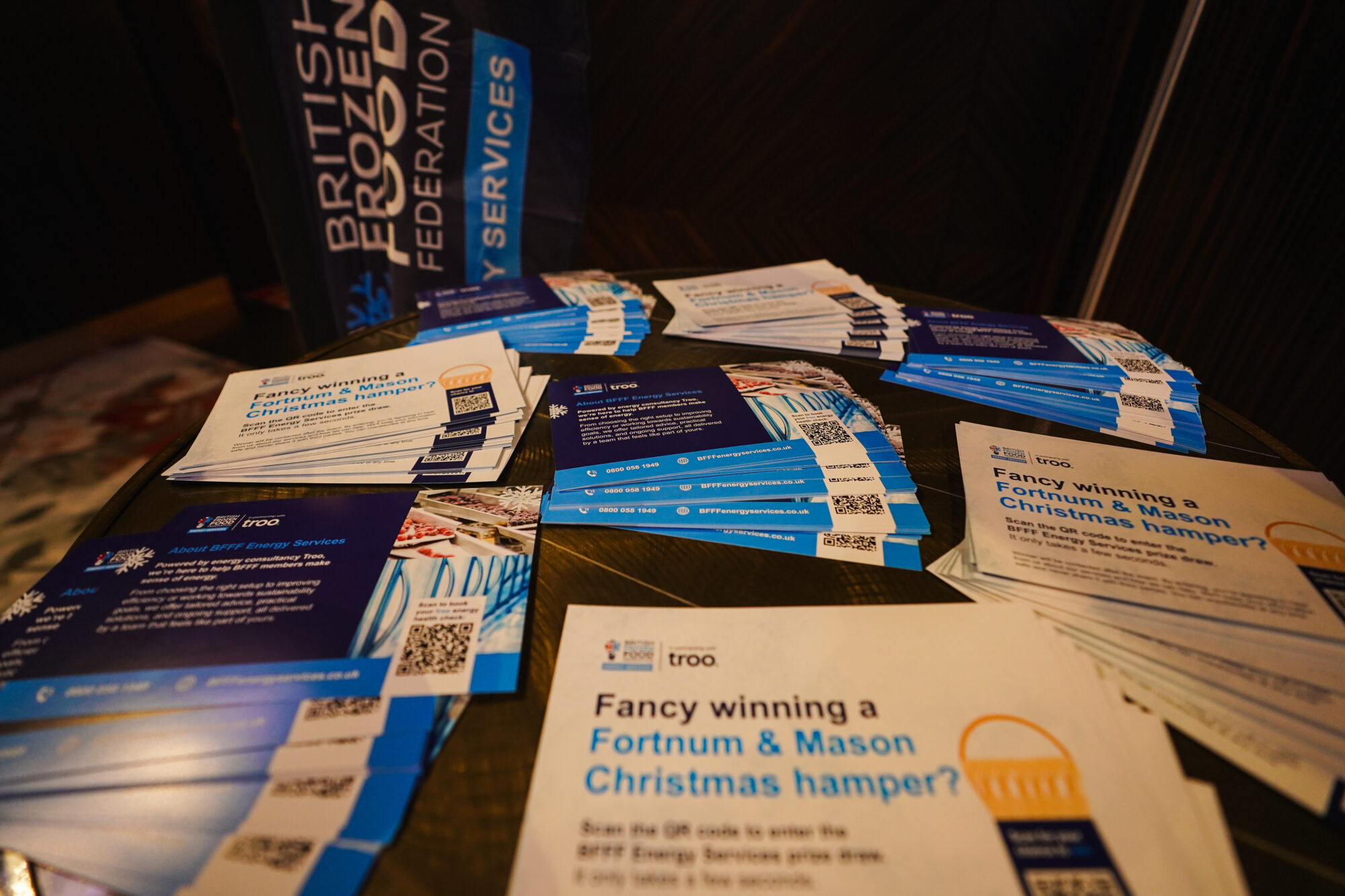
  • BFFF energy deals and rates
  • Vypr member deals and introduction
  • Defib Plus deals
  • Company Shop – membership
  • Mentor – MHE training health check

Exclusive access to networking opportunities and events:

  • Meet the Buyer events (retail & foodservice)
  • Annual Business Conference with networking dinner
  • Specialist H&S and Technical Conferences
  • Special interest groups (packaging, frozen food temperatures)
  • Annual Lunch
  • Awards Night
Upcoming Events More Events
Sponsorship Packages

We offer a range of sponsorship opportunities to BFFF members across our events throughout the year, with flexible packages that can be tailored to suit your business objectives.

Contact Us
British Frozen Food Federation Members Logo
what our members say...
  • Wakefield Council

    “What an amazing piece of work and indicative of how BFFF respond to the concerns of their members and make an impact on the whole industry sector.”

    See Full Quote

  • Sysco

    “You guys really ‘Do The Right Thing’ for the good of the industry”

    See Full Quote

  • Darta

    “The BFFF awards night is becoming an “appointment not to miss” on our calendar and we again enjoyed it immensely together with lots of well-known people from our industry. The…

    See Full Quote

  • Kantar Worldpanel

    “The Business Conference was an excellent day that was very well organised and allowed so many likeminded individuals in the room to learn so much more around the Frozen industry….

    See Full Quote

  • Lakeside Food Group Ltd

    “This Not For EU labelling situation alarmed us and quickly became a major worry to our business. These are times when you really rely on some support and from previous…

    See Full Quote

  • Meadow Vale Foods Limited

    “We had a few questions with respect to the new EPR waste packaging legislative changes. I know some of my colleagues have been assisted by BFFF in the past so…

    See Full Quote

  • Newberry International Produce Ltd

    “I am writing to express my heartfelt gratitude for the outstanding event you organised. I have only worked in this sector for the past nineteen months coming from twenty-five years…

    See Full Quote

  • Place UK Ltd

    “The BFFF 2024 Conference was compelling and thought provoking, with a many relevant and interesting topics covered at great pace and some depth by excellent speakers – will certainly attend…

    See Full Quote

  • Roswel Spedition GMBH

    “Thank you and the team for rushing around so brilliantly before, during and after the conference. It was pleasure to be part of the conference.”

    See Full Quote

  • Seara

    “The event was great, in my opinion. Not only it was very well organised, but the venue and the catering were excellent too. Furthermore, the content of the presentations was…

    See Full Quote

Website Designed & Built by we are CODA