The Gas Specialists
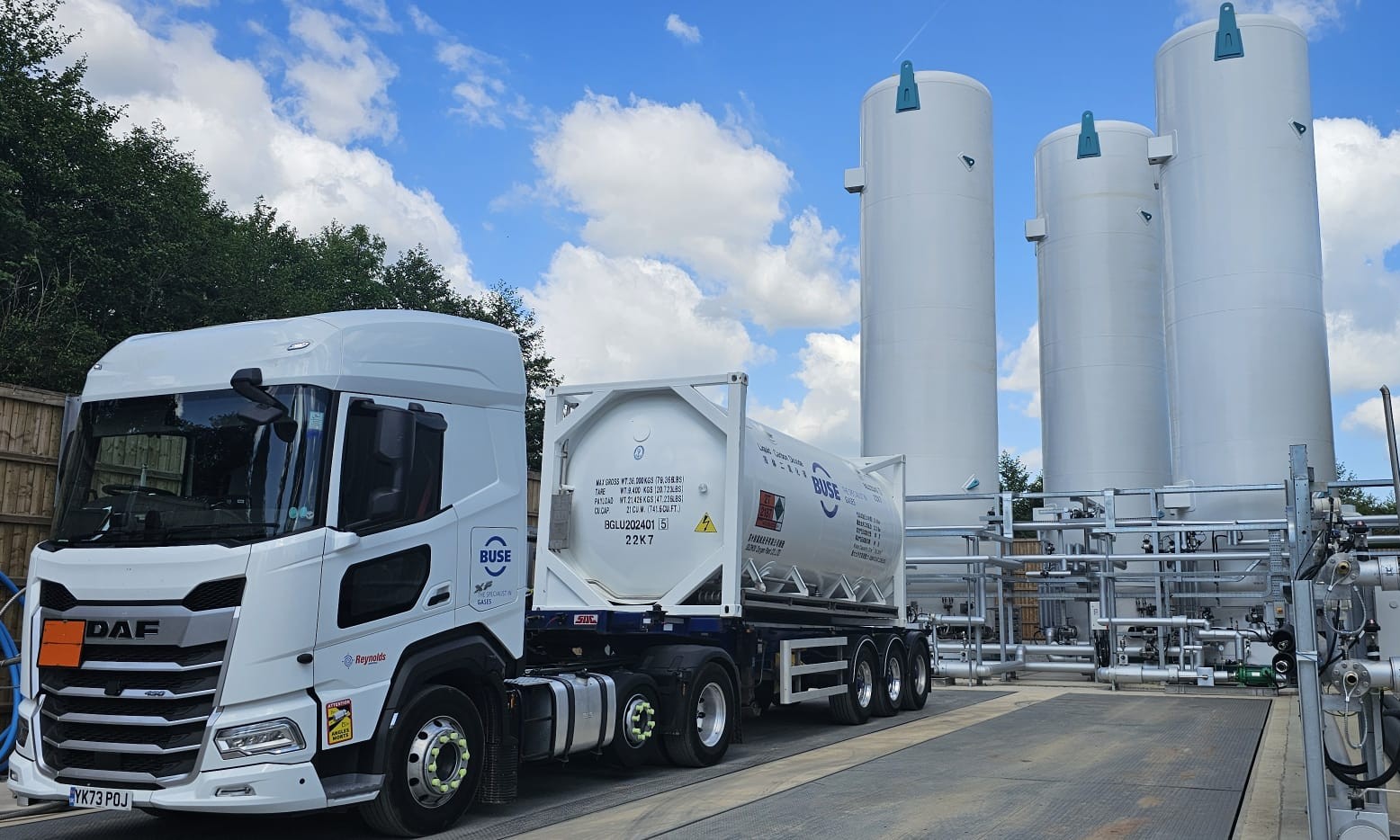
BUSE Gases Ltd is a subsidiary of BUSE KSW GmbH & Co. KG headquartered in Germany.
We are a trusted name in an evolving portfolio of gases for more than 130 years and a very experienced partner for your business.
As one of the leading suppliers in both the Industrial and Specialty Gas Markets, we provide our customers with the highest quality products and outstanding level of service.
Heritage
Rudolf Ehrenfried Buse originally pursued a completely different idea that had nothing to do with gas. In 1875 he set up a bag factory in Bad Hönningen. But instead, he became much more enthused about the natural gases, now known as carbon dioxide, in the Hundsacker district of Hönningen.
He was so interested in them that he devoted himself intensely to their liquefaction. He then set up carbonic acid plants in multiple locations across Germany, including one in Gerolstein.
Origins in drinks
As a pleasant by-product, he encountered water while drilling for carbonic acid from the spring. But it was not just ordinary water. It was top-quality mineral water that had already been discovered in Roman times. At this historic moment, Gerolsteiner Flora-Brunnen was founded in 1883.
From that point forth, Rudolf Ehrenfried Buse extracted not only mineral water in Gerolstein but also spring-sourced carbonic acid. He was able develop this business into the drinks industry.
Over the subsequent decades, the mineral water business expanded.
Establishment of the Buse Group at an international level followed with sites opening in Greece, and the Balkans, where BUSE developed into an established name in the local gas business. At the same time, we established a further site in the Netherlands. We rapidly established ourselves as one of the leading service providers for inspecting and filling canisters for pressurised gas and extinguishing agents for the firefighting industry. We are, to date, an expanding corporate group with international locations and an extremely broad services spectrum.
Food Applications
Intelligent Gas Solutions for Modern Food Production
We are your dependable partner in evaluating processing requirements and site-specific challenges. Our expertise lies in developing optimal gas supply systems that:
- Improve long-term profitability.
- Increase production flexibility.
- Reduce waste and environmental impact.
- Lower total cost of ownership
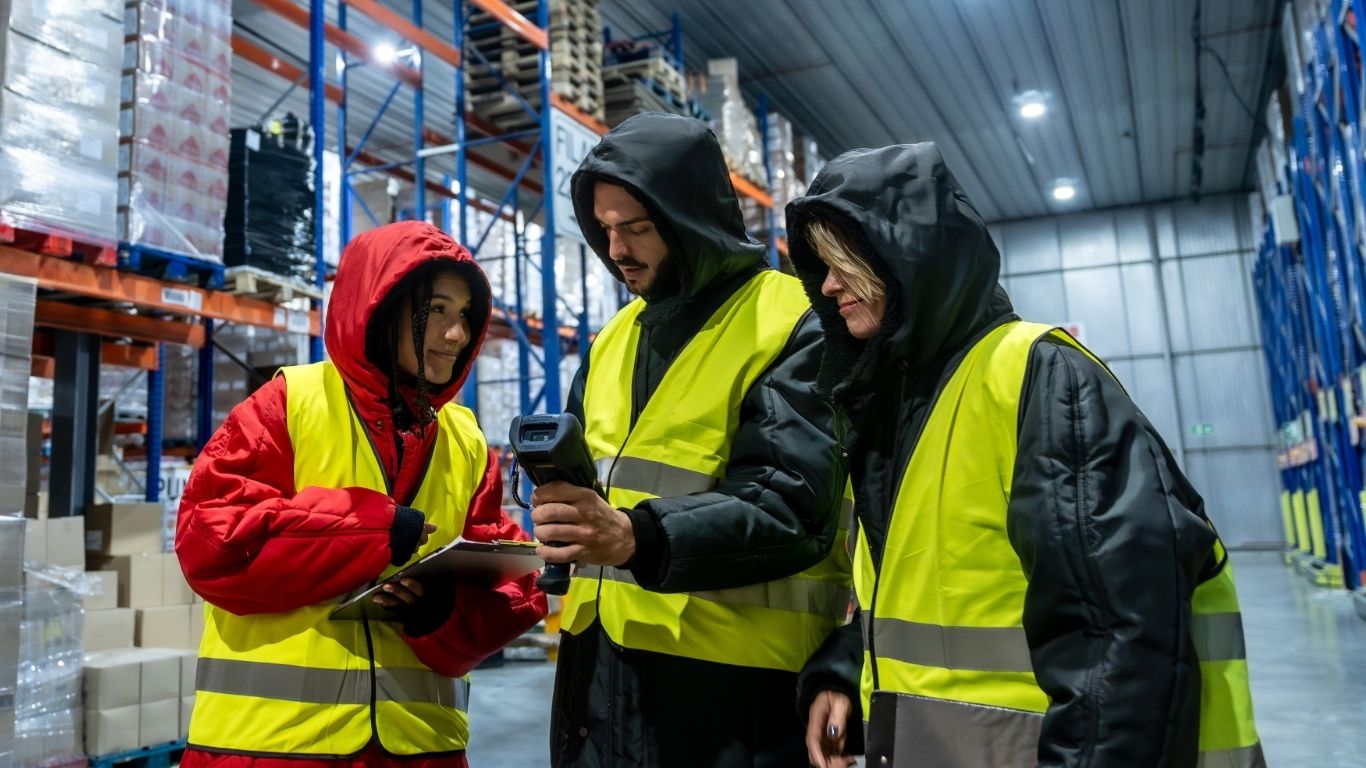
Whether your Food preparation requirement is:
- Freezing
- Chilling
- Modified Atmosphere Packaging (MAP)
BUSE Gases delivers innovative supply options designed to improve operational efficiency. Our solutions combine:
- World-class technology
- Visible, data-driven monitoring
- Transparent, long-term partnerships
- Optimised supply and recovery systems
Clients are consistently surprised by the opportunities we uncover to enhance efficiency while safeguarding quality and sustainability.
applications@buse-group.uk


 + 44 (0) 1400 283090


























 + 44 (0) 1400 283090