Become a member

FROM ‘SWICY’ SQUID TO MODERN MEDITERRANEAN: PACIFIC WEST UNVEILS 14 NEW PRODUCTS TO MEET EVOLVING CONSUMER TASTES

Pacific West, a global leader in premium value added seafood, is proud to announce the launch of its highly anticipated 2026 product brochure. Featuring 14 pioneering new products, the collection is designed to help foodservice operators navigate current labour challenges while meeting the evolving adventurous palates of British consumers.

As the frozen food category continues to grow in importance for back-of-house efficiency, Pacific West is leading the charge with a dual-format launch. The new brochure is available immediately as a traditional high-quality print edition and a versatile digital flipbook for instant industry access.

Leading the ‘Swicy’ and Global Fusion Trends

A headline addition to the range is the Hot Honey Spiral Squid. This product taps directly into the “swicy” (sweet and spicy) flavour profile currently dominating the UK food scene. By combining unique spiral-cut aesthetics with a fiery honey glaze, Pacific West offers chefs a high-margin, trend-led starter with zero preparation time.

Further expanding its global fusion offering, the 2026 range also introduces Teriyaki Salmon Portions and artisan Noodle Prawns, providing consistent, high-quality Japanese-inspired options that reduce the need for highly skilled kitchen labour.

Innovation in Convenience: The Ready-to-Eat Range

Recognising the industry-wide shift towards energy-efficient cooking methods, Pacific West has introduced five new Fully Cooked, Ready-to-Eat products. These are specifically engineered for optimum performance in the food to go sector:

  • Bubble Tempura Prawns: A sophisticated, light-textured coating for the modern menu.
  • Popcorn Shrimp & AirCrisp Prawns: Bite-sized solutions for the growing snacking and “topper” markets.
  • Panko Prawns: Delivering the ultimate golden crunch with authentic Japanese breadcrumbs.

The Modern Mediterranean Collection

In response to the enduring popularity of Mediterranean cuisine, Pacific West has curated a specific sub-collection designed for the tapas and small-plate sectors. Highlights include Truffle PrawnsSquid Arrosticini SkewersFish Stuffed Olives, and Breaded Anchovy Fillets, offering operators a sophisticated “coastal” aesthetic with minimal waste.

“Our 2026 collection is a testament to our commitment to the frozen food sector,” says Martin Finegan at Pacific West. “We aren’t just providing seafood; we are providing solutions. Whether it’s through our new ‘AirCrisp’ technology or our trend-driven Mediterranean range, we are helping operators to deliver excellence under pressure.”

The 2026 Pacific West Brochure is available now. For more information, or to view the digital flipbook https://pacificwestfoods.co.uk/get-the-brochure/

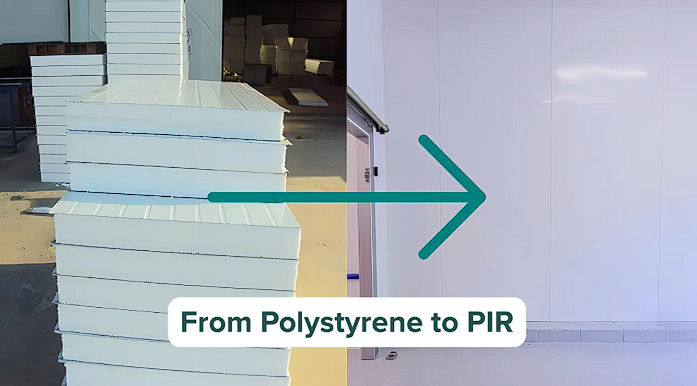
THE EXODUS FROM POLYSTYRENE TO PIR AND THE REASONS BEHIND IT

A few years ago, we released a blog post discussing the advantages of PIR panels over traditional polystyrene panels and the evolution from polystyrene to PIR within the food construction industry. Five years and many food-safe fit-out projects later, we feel it is appropriate to discuss why food and drink producers are moving away from polystyrene in greater numbers.

Polystyrene vs. PIR: Fire Safety in Food and Drink Facilities

The key disadvantage of polystyrene lies in its highly flammable nature. In live food and drink production environments, this is far from ideal.

Exposure to open flames or electrical sparks can cause polystyrene to ignite rapidly. Once alight, it not only burns quickly but also promotes fire spread across adjacent areas. Additionally, melting polystyrene releases carbon monoxide and various toxic gases.

PIR panels, on the other hand, can allow for food and drink producers to achieve a higher fire-rating, so food-safe and fire-rated do not have to be competing site priorities! A fire rating depends on both the structural properties of the walls and the installation methodology.

Saving Facility Space With PIR

Also, with the move to PIR panels in the food and drink production industries, producers can use thinner panels to achieve the desired levels of insulation. Multiple sources point towards PIR being 30-50% more thermally efficient than polystyrene.

Thinner panels ultimately translate into increased internal space. This may not seem significant, but if you are using a space for storage, that thinner panel could allow you to fit a few more boxes or pallets. For fast-moving, high-volume food and drink production sites, every little bit helps!

The Insurance Red Flags Around Polystyrene

Our Food Projects Specialists are also noticing external reasons why food and drink producers are making the shift from polystyrene to PIR in increasing numbers.

First, polystyrene could raise red flags with insurers. Our specialists have had multiple conversations with producers who need to convert an existing area from polystyrene to whitewall because their insurers will not quote an in-use facility with polystyrene panels in critical areas.

Polystyrene is seen as high-risk by insurers because of its potential to spread fire and the risk to structural integrity that fire can cause.

Polystyrene Panels Under Scrutiny in Supplier Audits

Audits, in various forms, are a constant for large UK food and drink producers, and polystyrene panels could draw an auditor’s attention.

Audits can come from multiple sources. Food and drink sites need to go through a strict audit process to achieve SALSA or BRC certification.

When those outside of the industry think of audits, probably the first thing that comes to mind is regulatory bodies such as BRC or SALSA, but food and drink sites could be facing audits from other, more commercial entities.

If a food or drink production site becomes a supplier to a major retailer or another larger producer, they often have to go through an audit process put in place by their customer.

‘Larger retailers and food companies have high standards for where their ingredients or other food items are produced,’ says Stancold’s Andy Connell. ‘They are looking for the best, most up-to-date facility elements possible.’

Polystyrene can often miss this standard as it is not the latest technology, and a potential fire in the facility could disrupt the customer’s supply chain.

Just recently, one of our Food Projects Specialists visited a site that needed to get rid of polystyrene in an area of their facility because it would not pass a new major customer’s supplier audit process.

With the clear risks and increasing pressure from insurers and auditors, now is the time to move away from polystyrene panels. If you need to upgrade part of your facility to PIR, feel free to get in touch with the Stancold Food Projects team!

0117 316 7000

info@stancold.co.uk

SYSCO GB PLEDGES £500,000 TO HELP SME’S ACCESS APPRENTICESHIP TRAINING

Sysco GB has announced a major £500,000 Apprenticeship Levy Transfer Pledge to help small to medium sized enterprises (SMEs) and charities across the UK access apprenticeship training and develop essential skills in their workforce.

This new pledge builds on Sysco GB’s strong track record of supporting apprenticeships. Over the past four years, the company has successfully transferred £350,000 of its Apprenticeship Levy, enabling local employers to recruit new talent, upskill existing teams, and strengthen capability in key sectors. The latest £500,000 commitment marks a significant expansion of this support and demonstrates Sysco GB’s long-term investment in skills, communities, and the future of the UK food industry.

Speaking about Sysco GB’s commitment to building the next generation of talent, Katrina Simpson-Haines, Human Resources Director, Sysco GB, said: “As the UK’s leading foodservice wholesaler, Sysco GB works closely with thousands of SMEs – many of whom play a critical role in hospitality, catering, food production, and logistics. We know how challenging it can be for smaller businesses to invest in training and development. By pledging £500,000, and building on the £350,000 we’ve already successfully transferred in recent years, we’re enabling more organisations to access the skills and talent they need to thrive. Apprenticeships change lives, drive productivity, and create opportunities across so many of our communities, and we are proud to play our part in supporting our partners across the country.”

This investment aims to support long-term workforce resilience, helping businesses respond to evolving customer needs, new technologies, and ongoing labour shortages. The organisation is hoping that companies applying for its Get Set Supply, smaller supplier support programme, will also be able to benefit from the Apprenticeship Levy Pledge.

Sysco GB already delivers a wide range of apprenticeship programmes internally, supporting colleagues across operations, commercial, digital and engineering roles. This expanded pledge extends its impact beyond the business and into the wider supply chain.

Eligible businesses can apply for funding by visiting the Gov.UK Pledge page or by contacting the team at earlycareers@sysco.com.

THE INVISIBLE MARGIN: UNLOCKING VALUE IN THE COLD CHAIN BEFORE YOU SPEND A PENNY ON NEW HARDWARE

If you run a cold storage facility, a food processing line, or a logistics fleet, you know that the “margin” isn’t just a number on a spreadsheet. It is a physical thing. It is the frost on a compressor, the time a dock door stays open, the half-empty truck running a return leg.

For decades, our industry has managed these margins through experience and grit. We rely on “Static Planning.” We set shifts based on historical averages. We set thermostats to -22°C to be safe, even if -18°C is the requirement. We run machinery until it vibrates just enough to tell the shift manager it needs maintenance.

But in an economy where energy prices fluctuate by the hour and supply chains fracture without warning, Static Planning is becoming an expensive luxury.

The good news? You likely don’t need a new warehouse or a new fleet of trucks to reclaim those margins. You just need to see the invisible.


The Journey Starts at “Day Zero”

There is a misconception that “Digital Transformation” or “AI” requires a massive, year-long infrastructure project before you see a single pound of return.

The reality is that value is often hidden in the “dark data” you already have but aren’t using. This is the Digitise & De-Risk phase, and it delivers value from Day Zero.

Most facilities are sitting on mountains of disconnected intelligence:

  • Paper logs of shift handovers.
  • PDF invoices from energy suppliers.
  • Spreadsheets regarding waste kept by individual line managers.

The first step isn’t building a robot; it’s simply connecting these dots. When you move from scattered paper to a unified digital view, you stop looking at what happened last month and start seeing what is happening right now.

Often, the act of simply visualizing your data reveals “low-hanging fruit”—inefficiencies you can fix immediately without complex algorithms. You might spot that a specific blast freezer consistently draws 10% more power during Shift B than Shift A, purely due to how goods are stacked. That is an instant win, found on Day Zero.


The Sandbox: Making Mistakes for Free

Once your data is visible, the journey moves to Modelling & Simulation.

In the physical world, testing a new idea is risky. If you want to see if rearranging your racking will improve airflow, you have to shut down, move steel, and risk spoiling the product. So, usually, we don’t bother. We stick to the status quo.

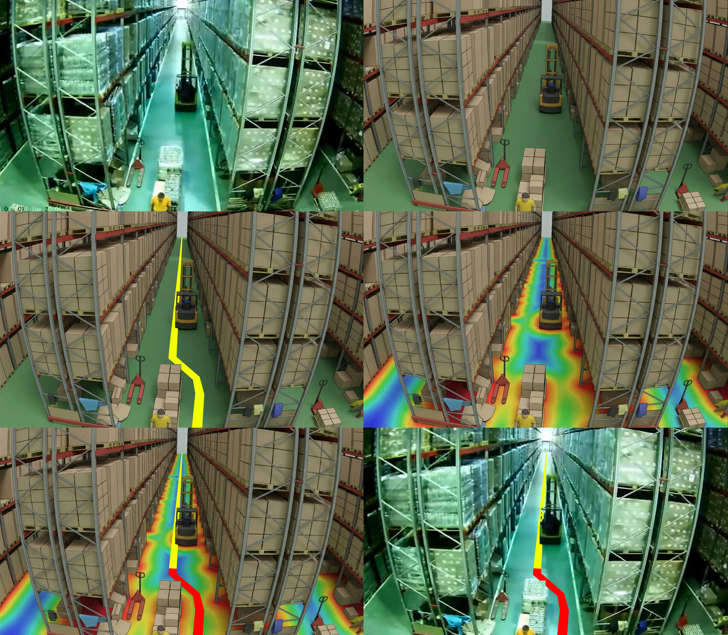
This is where AI can help; rapidly pulling together a bespoke simulation to allow you to build a safe “sandbox” where you can test radical ideas without spending a penny or risking a single pallet. You can simulate thousands of scenarios—changing layouts, shifting shift patterns, altering delivery routes—to see exactly what happens to your throughput and energy bill.

You validate the savings digitally before you commit physically.


From Static Storage to “Thermal Batteries”

To understand the true power of this journey, let’s look at a concrete example relevant to every BFFF member: Energy Load Shifting.

In a traditional, static setup, your refrigeration plant fights physics 24/7. When the sun is hottest (and electricity tariffs are highest), your plant works its hardest. You are effectively buying electricity at its most expensive price to do your heaviest lifting.

However, once you have a digital understanding of  your facility thermodynamics, you can switch to Dynamic Intelligence.

The system can treat your frozen stock not just as food, but as a “Thermal Battery.”

  1. Charge the Battery: At 3:00 AM, when electricity is cheap (e.g., £0.20/kWh) and the outside air is cool, the system “super-cools” your product down to -24°C.
  2. Discharge the Battery: At 1:00 PM, when energy prices spike (e.g., £0.40/kWh), the system eases off the compressors. The core temperature of the product naturally rises, but because it starts lower, it stays safely within quality limits (e.g., never rising above -19°C).
  3. Maximise your Solar: Where you have a solar installation use the weather forecasts and seasons to further optimise your load shifting for maximum savings.

You have maintained perfect quality, but you have shifted your energy spend to the cheapest hours of the day. This isn’t magic; it is simply using data to work with the energy market rather than fighting against it.

The AI is the Colleague, You are the Manager

The final destination of this journey is Optimisation. This is where AI acts as a “colleague”—a tireless assistant that watches your facility 24/7.

Step-by-step we can help build up to this concept of a “Digital Twin” which you can think of as a flight simulator for your factory. It supports the historical review of issues, the current monitoring of your plant and the planning of your future.

It doesn’t replace the human workforce; it empowers them.

  • It tells the maintenance team: “Check the bearings on Conveyor 3, the vibration pattern suggests failure in 48 hours.” (Preventing downtime).
  • It tells the logistics planner: “Traffic is heavy on the M6; re-route the Manchester delivery to save 20 minutes.” (Preserving fuel).

The gap between the “digital potential” of your facility and its current performance is likely the single biggest uncaptured value in your business. It doesn’t require a leap of faith to bridge that gap—just a step-by-step journey that pays for itself as you go.

PACKUK UPDATE ON EPR INVOICES

Many of you will have seen reports in the media this week warning that PackUK may re-issue invoices to cover a shortfall of tens of millions of pounds needed to fund the costs of local authorities recycling. This was apparently announced at a recent “emergency industry call” by PackUK.

At the last ‘Circular Economy Joint Stakeholder Forum’ on 6th February it was noted that updated Notices of Liability (i.e. invoices) are planned to be communicated in March.

The next Joint Stakeholder Engagement Forums are set for 3 March; 7 April; 5 May; 2 June and 7 July. Should anyone wish to attend these forums please note that you no longer have to register to attend and as such, will not see invites dropping in your diary. You simply join via the Teams link contained within the Circular Economy Newsletter published toward the end of each month.

Subscribe here to receive the Circular Economy newsletter

The BFFF would like to reassure members that this is on our radar, and we will bring you any updates as and when we receive them.

In the meantime, as a few months have passed since PackUK issued the first Notices of Liability (i.e. invoices) under the Extended Producer Responsibility for packaging (pEPR),  we’re looking to understand how things are panning out for members.

  • Were invoices more/less than or as expected?
  • Have you experienced any issues, or have concerns?

Any feedback you can provide would be welcomed and will assist us in future discussions with government representatives.

SAFETY AS A ‘FREE’ BONUS: HOW EFFICIENCY DRIVES PROTECTION IN THE FREEZER

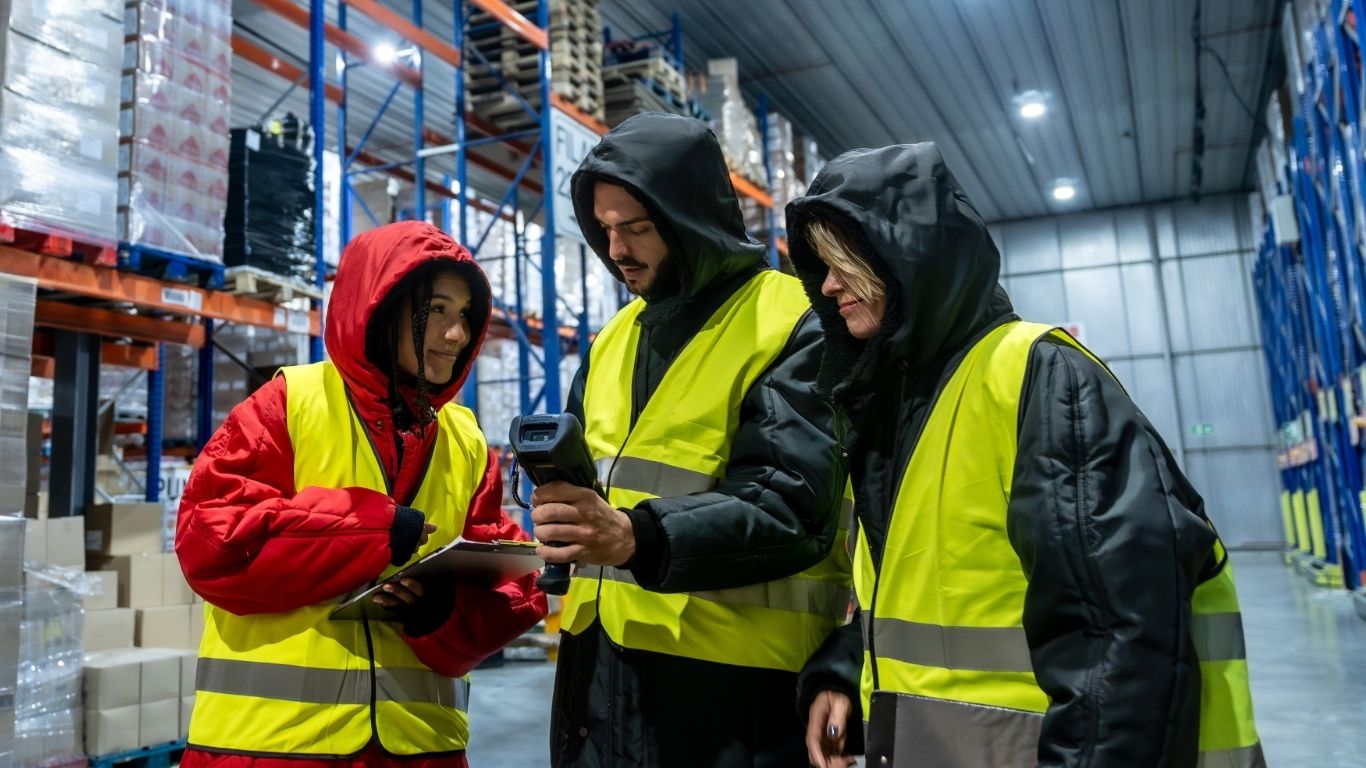
The frozen food industry operates in one of the most hostile working environments on Earth. Necessarily well below minus 18 degrees, with many facilities at minus 25 degrees, visibility is often reduced by fog or breath, huge mechanical plant is running, and forklifts share space with pedestrians.

For decades, the industry has viewed Safety and Efficiency as two opposing forces.

If you want to be safer, you generally have to slow down. You add more checks, you introduce rigid exclusion zones, you limit shift times. Safety is traditionally viewed as a cost center—a necessary insurance policy that protects staff but taxes productivity.

But a shift in technology is flipping this equation. By digitising the warehouse for efficiency, we are finding that world-class safety features are appearing not as an extra cost, but as a “free bonus.”

The Eyes That Don’t See Faces

The biggest barrier to adopting digital monitoring in warehouses has always been the “Big Brother” fear. No worker wants a camera watching their every move, and GDPR regulations make recording people a legal minefield.

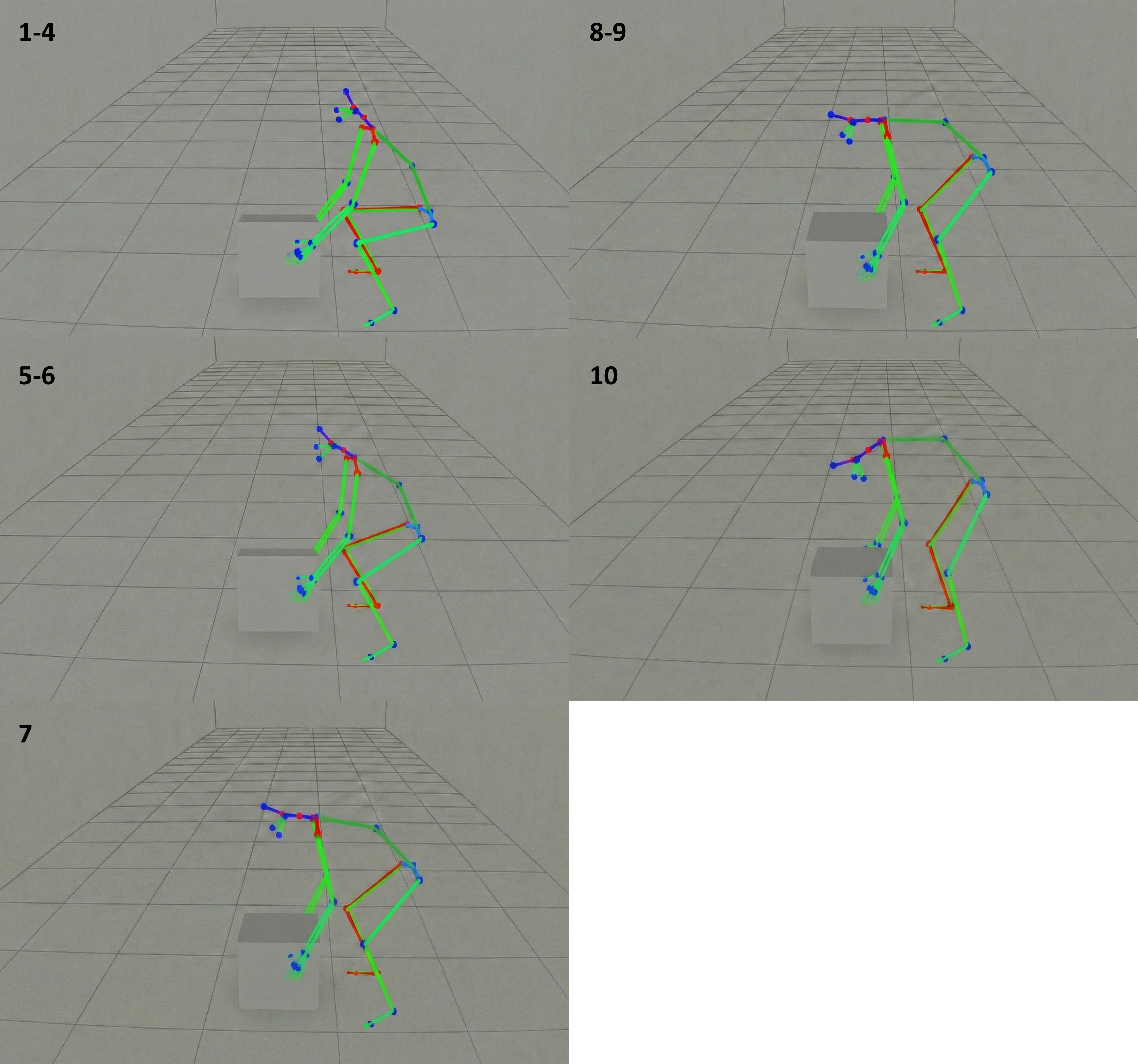
Darkonium have solved this through a “Skeletonisation” process In this setup, the AI system processes the video feed instantly and discards the image of the person. Instead, it extracts a simple “stick figure” representation of their joints and movements.

It doesn’t know who the worker is; it only knows how the worker is moving.

This technology was originally developed to detect fallen passengers on buses, but it’s also a lifesaver in a freezer.

Use Case 1: The “Man Down” Event

In a loud, foggy aisle at these temperatures a slip or a medical episode can go unnoticed for dangerous amounts of time.

A static camera requires a security guard to be looking at the right screen at the right moment and colleagues may be in busier areas.

An AI looking at “skeletons,” however, never blinks. It understands posture. It instantly recognizes the difference between a worker tying their shoelace and a worker who has fallen and not moved for 30 seconds. It can trigger an alert immediately, dispatching help to the exact aisle.

The beauty of this? The same system tracking that skeleton for safety is also calculating optimal pick-rates for efficiency. One system, two benefits.

Managing the “Cold Dose”

Hypothermia and cold stress are silent risks. Traditionally, we manage this with rigid schedules: 45 minutes in, 15 minutes out.

But this static approach is flawed. “45 minutes” feels very different if you are vigorously stacking pallets versus waiting still in a cold draft because of a bottleneck.

Use Case 2: Dynamic Exposure Tracking

By combining digital tracking with a physiological model, we can move from counting minutes to measuring the actual “Cold Dose.”

The system can recognise that a worker has been stuck in a high-airflow zone waiting for a forklift. Even if they have only been inside for 20 minutes, their “Cold Dose” might be critical because they haven’t been generating body heat through movement.

The AI can alert the shift manager to rotate that specific worker out early. Conversely, it might safely extend the shift of a worker who is in a warmer zone and moving actively. This ensures worker health is protected based on biological reality, not just the clock, while maximising the available labor hours.

Predicting the Black Ice

Slips and trips remain the number one or number two cause of accidents in our sector. In a freezer, this is almost always a result of ice buildup—usually caused by humid air entering through doors and settling on cold floors.

Usually, we deal with this reactively. Someone spots the ice, or worse, slips on it, and then we clean it.

Use Case 3: Predicting the Hazard

A Digital Twin of your facility doesn’t just track boxes; it tracks thermodynamics.

If a dock door is held open for 20 minutes on a humid July day, the system knows exactly how much moisture has entered the air. It knows the airflow patterns of your facility. Therefore, it can calculate exactly where that moisture will settle and freeze.

It can warn the maintenance team: “Ice formation likely in Aisle 4, Bay 2 in the next 30 minutes.”

You can salt or scrape the floor before the ice even forms. This is the ultimate goal of safety: moving from reacting to accidents to preventing the conditions that cause them and of course it also retains the area as a productive environment keeping the optimum routes open and available at all times to maximise productivity.

The Bottom Line

The fascinating thing about these three examples is that they all run on the same infrastructure used to optimize energy and throughput.

  • The cameras used for “Skeletonisation” are the same ones tracking inventory movement.
  • The data used for “Cold Dose” management is the same data used to optimise labor routing.
  • The thermal model predicting ice is the same model used to save money on compressor electricity.

In the new digital reality, you don’t have to choose between being fast and being safe. By deploying smart, privacy-compliant AI, you protect your margins and your people at the same time.

By Robert Sugar, Founder of Darkonium AI

Robert Sugar is the founder of Darkonium, a British startup and member of the British Frozen Food Federation. Darkonium specialises in helping manufacturers and logistics providers transition from static planning to dynamic, AI-assisted efficiency and safety.

https://darkonium.ai

Member Benefits

Exclusive Partnership deals on key products and services:

  • BFFF energy deals and rates
  • Vypr member deals and introduction
  • Defib Plus deals
  • Company Shop – membership
  • Mentor – MHE training health check

Exclusive access to networking opportunities and events:

  • Meet the Buyer events (retail & foodservice)
  • Annual Business Conference with networking dinner
  • Specialist H&S and Technical Conferences
  • Special interest groups (packaging, frozen food temperatures)
  • Annual Lunch
  • Awards Night
Upcoming Events More Events
Sponsorship Packages

We offer a range of sponsorship opportunities to BFFF members across our events throughout the year, with flexible packages that can be tailored to suit your business objectives.

Contact Us
British Frozen Food Federation Members Logo
what our members say...
  • Wakefield Council

    “What an amazing piece of work and indicative of how BFFF respond to the concerns of their members and make an impact on the whole industry sector.”

    See Full Quote

  • Sysco

    “You guys really ‘Do The Right Thing’ for the good of the industry”

    See Full Quote

  • Darta

    “The BFFF awards night is becoming an “appointment not to miss” on our calendar and we again enjoyed it immensely together with lots of well-known people from our industry. The…

    See Full Quote

  • Kantar Worldpanel

    “The Business Conference was an excellent day that was very well organised and allowed so many likeminded individuals in the room to learn so much more around the Frozen industry….

    See Full Quote

  • Lakeside Food Group Ltd

    “This Not For EU labelling situation alarmed us and quickly became a major worry to our business. These are times when you really rely on some support and from previous…

    See Full Quote

  • Meadow Vale Foods Limited

    “We had a few questions with respect to the new EPR waste packaging legislative changes. I know some of my colleagues have been assisted by BFFF in the past so…

    See Full Quote

  • Newberry International Produce Ltd

    “I am writing to express my heartfelt gratitude for the outstanding event you organised. I have only worked in this sector for the past nineteen months coming from twenty-five years…

    See Full Quote

  • Place UK Ltd

    “The BFFF 2024 Conference was compelling and thought provoking, with a many relevant and interesting topics covered at great pace and some depth by excellent speakers – will certainly attend…

    See Full Quote

  • Roswel Spedition GMBH

    “Thank you and the team for rushing around so brilliantly before, during and after the conference. It was pleasure to be part of the conference.”

    See Full Quote

  • Seara

    “The event was great, in my opinion. Not only it was very well organised, but the venue and the catering were excellent too. Furthermore, the content of the presentations was…

    See Full Quote

Website Designed & Built by we are CODA