Become a member

Fine of £800,000 after Café Worker Left Locked in Walk-in Freezer

Pret a Manger has been fined £800,000 after a member of staff was left trapped in sub-zero temperatures for 2.5 hours.

The coffee and sandwich chain pleaded guilty to an offence contrary to the Health and Safety at Work etc Act 1974 at Westminster Magistrates Court, following an investigation by Westminster City Council’s Health and Safety team.

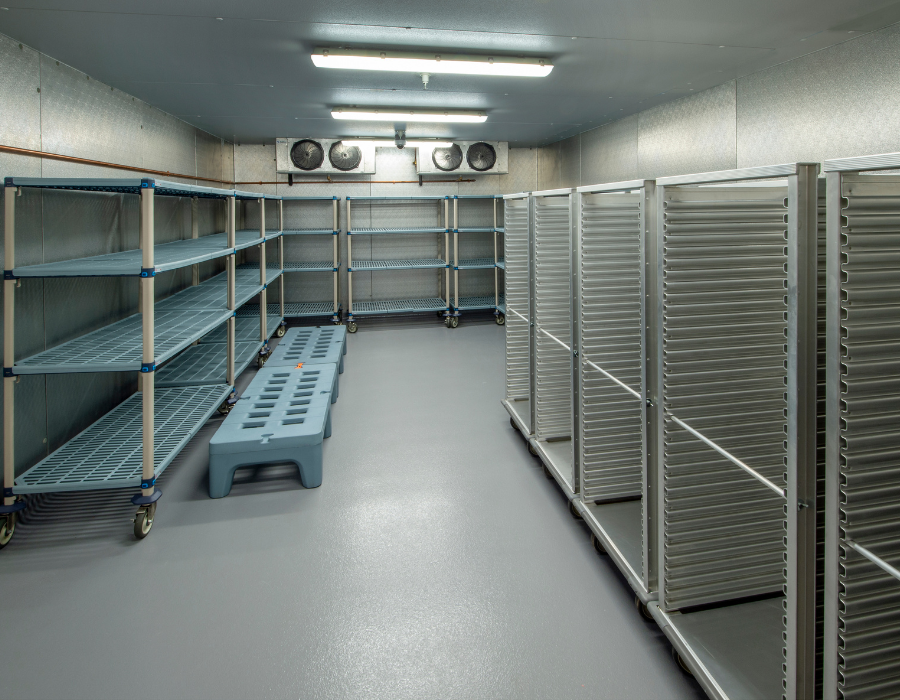
On 29 July 2021, a member of staff at the Victoria Coach Station shop became entrapped in a walk-in commercial freezer typically set to run at around -18 degrees dressed only in jeans and a t-shirt. She tried to keep warm by moving around (although space in the freezer is limited), but after some time she began to feel unwell from the cold, finding that her breathing was becoming restricted and that she was losing sensation in her thighs and feet.

To try and keep warm, she tore up a cardboard box containing chocolate croissants to use as cover from the ventilator blowing out cold air but found that her hands were too cold and painful to break the box apart. The worker was eventually found by a colleague, in a state of distress and believing she was going to die. She was taken to hospital where she was treated for suspected hypothermia.

The investigation established that there was no suitable risk assessment for employees working in temperature-controlled environments. The reporting system used by Pret revealed that there had been a number of call-outs relating to defective or frozen push buttons in the previous 19 months, including a previous occasion at the same remote kitchen in January 2020 when a worker had become entrapped in the walk-in freezer, having been unable to open the door from the inside. On that occasion, the internal door release mechanism was not working.

Basic safety measures

Pret a Manger pleaded guilty and was ordered to pay the Council its full costs, in addition to a victim surcharge, within 28 days. When passing her sentence, the District Judge decided on a starting point of £1.6 million, which was reduced to £800,000 following credit for an early guilty plea and mitigation advanced on behalf of the company.

Cllr Aicha Less, Deputy Leader and Cabinet Member for Communities, Public Protection and Licensing said: “The shocking details of this case show a lapse of due care and attention. This incident shows that overlooking basic safety measures can have the most serious consequences.

“We hope the significant fine awarded in court acts as a warning to all businesses and prevents anything similar from ever happening again.

“Westminster City Council will continue to work with businesses to make sure the highest levels of health and safety are consistently maintained and educate staff in safe practice.”

Westminster City Council
August 2023


GROWING BUSINESSES CAN USE WAREHOUSE SPACE BETTER TO SAVE COSTS AND AVOID INVESTMENT IN NEW FACILITIES

Principal Logistics Technologies

Growing businesses will sooner or later need more capacity in their supply chain to fulfil larger sales volumes. Adding capacity to an existing facility by introducing automation, reconfiguring current handling and storage equipment, or building an extension all offer a potential solution but can be expensive and disruptive to ongoing operations. Another possibility is to relocate to a new and larger warehouse but leaving aside the costs and complexity involved the current lack of available new-build sites can make any such move impractical. Before making any decisions, growing businesses would do well to consider how to make the most of their existing facilities by utilising the power of warehouse management software (WMS) to maximise the efficiency of their current operations. Using WMS to increase factors such as occupancy, throughput, and data and task accuracy can all help to increase the capacity of an existing warehouse. In doing so these businesses will avoid disruption and eliminate – or at least delay – the need for additional capital investment.

Any growing business involved with the supply of products will need to store and deliver more and more items. Building a bigger warehouse is one answer but can take time and generally requires a large investment. Industry data suggests there is over 550m ft2 (51m m2) of warehouse space available. Most of this is in-use and leading commercial agency Savills reported earlier this year that vacancy rates are below four per cent – a historic low. Another recent report suggested that the number of new build warehouses in the USA and Europe has decreased by a quarter over the past two years.

That means less available space is being chased by more potential occupiers, and no doubt the growth in e-commerce and home delivery is one of the causes. Another report from warehouse developer ProLogis estimates every extra £1bn spent online will require another 775,000ft2 (72,000m2) of warehouse space. The rate of building barely keeps up with demand. Space is not cheap but there is hardly a motorway or major truck road intersection without a warehouse already there or awaiting planning approval.

Some businesses find that creating a new warehouse is the best option. For example, Ireland’s leading furniture importer and wholesaler reduced complexity and increased its stock volumes in 40 per cent less overall space by investing in a new facility and implementing a state-of-the art WMS. While this approach suits some, many businesses have found they can use their existing storage facilities more efficiently. One way is to invest in new technologies and equipment that allows denser storage and/or faster throughput which can both increase overall capacity. This might be as simple as replacing block stacking with pallet racking or wide aisle with narrow aisle configurations. Big changes often represent significant investment which, leaving aside the potential disruptions to ongoing business, may be beyond many businesses. For these a better approach is to use what they have more efficiently and this is the role of the WMS and related technologies.

Another change over the past decade is the type of warehouse operator. Ten years ago, most large facilities were operated by, or at least on behalf of, retailers. Today the largest proportion is operated by 3PLs, some as dedicated facilities but many others holding stock for multiple clients. Everyone is cost-conscious but 3PLs sell their services and base their costs on factors which include the number and size of pallet locations, overall storage capacity, picking capabilities and so on. For these businesses in particular, maximising efficiency and profitability with support from a WMS is vital.

There are only two realistic ways to increase capacity without a total reconfiguration. The first is to ensure maximum utilisation of every available space. The second is to increase throughput to get stock in and out more quickly. Efficiency gains like these are often possible because existing operators might not have noticed that their warehouse has changed in front of them while they have been busy focusing on their day-to-day operations.

Consider a hypothetical, but not implausible, business that setup or renovated its warehouse operation ten years ago. At the time the operation required space for 2500 pallets of various heights to meet customer needs, perhaps 1000 at 1.6m high, 1000 at 1.8m and the rest at 2.1m. That was the right configuration at the start and allowed a degree of flexibility to support the business requirement. The WMS was configured accordingly and operations have run smoothly since, or so it seems.

But over time it is not unusual for customers and their requirements to evolve. In fact, a small change here and there often means a business does not know immediately how many pallet locations, and of what type, they have. This might be because of changing the actual racking but adding equipment such as coolers or pallet wrappers might inadvertently block or restrict access to otherwise usable locations. Unless these businesses remember to keep their WMS up-to-date, and experience says that many do not, they will not be able to say how many spaces they have. Nor for similar reasons can many businesses immediately identify the number of available free locations or their overall occupancy rates. Some free locations help with stock handling flexibility but too many can be a waste of resources and, ultimately, very costly for a business that is selling space.

Another possibility is that the profile of the stock is different, for example more larger pallets or fewer small ones, and so on. While it is of course possible to store a smaller pallet in any size location the reverse is certainly not true and that immediately leads to potential allocation issues that will restrict the performance of the overall operation. But even if it makes sense to store those smaller pallets in larger locations this is not an ideal use of the available volume in the warehouse – there could be up to 500mm of free but unusable space above a small pallet stored in the largest location. Again, unless the WMS is updated, it will be impossible to utilise all spaces with maximum efficiency.

Even in the best run warehouses there will be occasions when some pallet locations are out of commission. This might be as a result of accidental damage or to allow maintenance on the building infrastructure. This reduction in capacity will cost in terms of lost revenues but how many businesses will have a real-time view of their income generating capabilities or be able to see how much they are losing as a result of these outages. Certainly, with a properly configured WMS they would be able to tell. Another potential scenario, perhaps in extra-busy warehouses or where the stock profile has changed, is that demand for some locations exceeds capacity. This can restrict efficiency, for example preventing efficient putaway or requiring the excess stock to be stored elsewhere temporarily and potentially being unavailable for picking.

Experience suggests that almost any warehouse team experiencing problems like this will be unable to identify all of the problems, and their causes, immediately. But there is some good news and it does not necessarily require significant investment. Any decent WMS will help maximise stock management efficiencies but the best will incorporate business intelligence and analytics functionality. One example is ProWMS Advanced Warehouse Management’s business intelligence module that allows operators or managers to instantly identify where change is necessary and will have the maximum impact. This is done via easy-to-read, live, visual dashboards displaying, for example, products in each location with a detailed breakdown of relevant stock information.

Experienced application vendors will challenge warehouse teams about these and similar issues when they start to discuss the business and operational requirements for new implementations. They will have various tools to help them ensure the configuration is correct and always up-to-date to reflect structural changes, evolving stock profiles, and new business demands to help maximise operational efficiency and profits.

BORDER TARGET OPERATING MODEL (BTOM)

The final version of the Border Target Operating Model (BTOM) was published on Tuesday 29th August.

BFFF members should note that the decision has been made to delay the introduction of most new requirements for a further 3 months to. The new timelines are:

31 January 2024 – The introduction of health certification for imports of medium risk animal products from the EU

30 April 2024 – New documentary and risk-based identity and physical checks will be introduced on medium risk animal products from the EU, and identity and physical check levels will also be lower than now for imports from non-EU countries.

There is new information included around the movement of goods from the Republic of Ireland into Great Britain amongst other clarifications in certain areas.

Members should also note that Defra are running a series of online events for traders throughout September, with many of them being sector specific. The link below has all the details and the dates are as follows:

7th Sept – Horticulture

12th Sept – Live Animals and Germinal products

12th Sept – Fishery products and seafood

13th Sept – Fresh produce

14th Sept – Meat and Poultry

15th Sept – Composite products

18th Sept – Animal by-products

18th Sept – Dairy

21st Sept – Exports from Ireland

You can register for these events free of charge here: The BTOM: What are the SPS Border Controls? | Eventbrite

WEBINAR: R&D TAX RELIEF CLAIMS: INSIGHTS INTO HMRC ENQUIRES

27th September 2023 @ 12pm REGISTER NOW

Join BFFF members Ayming for an insightful webinar on the changing landscape of the R&D tax scheme: Insights into HMRC enquires

The webinar will delve into the intricacies of the R&D tax scheme, shedding light on the factors that may trigger an HMRC compliance check. Understanding what an enquiry entails and its implications is crucial for businesses aiming to maintain compliance and optimise their R&D tax claims.

Key Topics to Be Discussed:

  1. Understanding HMRC compliance checks and their implications for businesses
  2. Assessment of the chances of an R&D tax claim going to enquiry
  3. HMRC’s approach to enforcing compliance and the reasons behind the changes in the R&D tax scheme
  4. Implications of HMRC compliance checks and the revised R&D tax scheme for companies
  5. Strategies and best practices for companies to navigate HMRC compliance checks and optimise their R&D tax claims

Keep It Safe August Edition

We have just published our most recent Keep It Safe publication. This edition is packed full of articles including news from the HSE, raising awareness of boot testing and the risk of electrocution, an interesting article about the use of drones instead of people, transport news, mental health and well-being and guidance and legislation news.

Our member news comes from Mentor FLT Training and explains how companies can protect those most at risk of a forklift accident. There are a range of events coming up including an NFUM Health and Safety Day and a webinar with Partners&. Don’t miss out on tickets for our Annual Lunch with guest speaker English actor, broadcaster and former rugby union player Martin Bayfield.

Click here to download your copy and please, share it with your colleagues.

PEPPADEW® BACKS PUBS THIS SPORTING SEASON

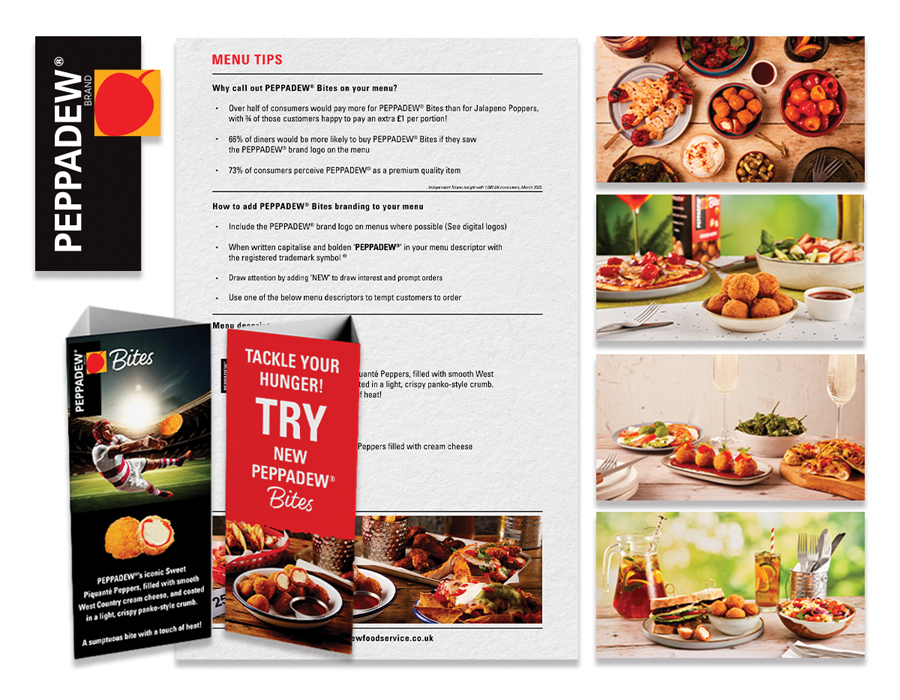
PEPPADEW® gives FREE PEPPADEW® Bites to Pubs 100 POS Kits to Support Businesses Available.

PEPPADEW® – the UK’s No. 1 pepper brand – is giving pubs and bars the chance to try new PEPPADEW® Bites for free this sporting season.

With 25 x 5Kg cases of the new premium branded bite up for grabs and one hundred point-of-sale kits available, these scrumptious bites will help pub and bar operators score with consumers this Autumn.

Made in the UK using PEPPADEW®’s iconic Sweet Piquanté Peppers, the ultimate bar snack is filled with smooth West Country cream cheese, and coated in a light, crispy panko-style crumb. Ready to serve in just 4 minutes with no prep or waste, operators can get in on the action and serve up a whopping £300 profit from every 5Kg case.

To claim your FREE POS kit and be entered into the mega prize draw, in which 25 lucky operators will get to try PEPPADEW® Bites for FREE, just visit https://peppadewfoodservice.co.uk/claim-your-pos-kit/ before the 31st October 2023.

Speaking about the free offer, Simon Harris, Brand and Marketing Manager, PEPPACO Ltd. said:

“Pubs and bars are bouncing back thanks to an incredible summer of sport and we want to maintain this momentum as we move into the Autumn. PEPPADEW® Bites are proving to be a bar snack sensation, with 87% of customers likely to buy PEPPADEW® Bites if they were on a menu. So get in on the action and take advantage of our number one brand status and boost you bar snack offering – we’re confident they’ll convert to profits for your business.”

100% vegetarian and made in an AA BRC facility here in the UK, PEPPADEW® Bites work across a wide range of eating and drinking occasions including starters, sides, small plates/tapas, sharing-platters and as the ultimate bar snack to watch the game. They can be cooked from frozen in the fryer in minutes when half-time hits and with an 18-month shelf life there’s zero waste for kitchens.

Head to https://peppadewfoodservice.co.uk/claim-your-pos-kit/ now to claim your eye-catching PEPPADEW® branded POS Kit and WIN your chance to TRY PEPPADEW® Bites for FREE before the 31st October 2023.

PEPPADEW® Bites are available now through leading wholesalers including Bidfood, Booker, Brakes, KFF and Urban Foodservice.

PEPPADEW® International has been the trusted global supplier to retailers and foodservice operators for over 25 years, in 25 countries. Famed for their sweet Piquanté Peppers, PEPPADEW® maintains a first-to-market approach with exclusive and unique offerings, including PEPPADEW® Whole Sweet Piquanté Peppers and the new PEPPADEW® Bites.

To find out more visit www.peppadewfoodservice.co.uk

Member Benefits

Exclusive Partnership deals on key products and services:

  • BFFF energy deals and rates
  • Vypr member deals and introduction
  • Defib Plus deals
  • Company Shop – membership
  • Mentor – MHE training health check

Exclusive access to networking opportunities and events:

  • Meet the Buyer events (retail & foodservice)
  • Annual Business Conference with networking dinner
  • Specialist H&S and Technical Conferences
  • Special interest groups (packaging, frozen food temperatures)
  • Annual Lunch
  • Awards Night
Upcoming Events More Events
Sponsorship Packages

We offer a range of sponsorship opportunities to BFFF members across our events throughout the year, with flexible packages that can be tailored to suit your business objectives.

Contact Us
British Frozen Food Federation Members Logo
what our members say...
  • Wakefield Council

    “What an amazing piece of work and indicative of how BFFF respond to the concerns of their members and make an impact on the whole industry sector.”

    See Full Quote

  • Sysco

    “You guys really ‘Do The Right Thing’ for the good of the industry”

    See Full Quote

  • Darta

    “The BFFF awards night is becoming an “appointment not to miss” on our calendar and we again enjoyed it immensely together with lots of well-known people from our industry. The…

    See Full Quote

  • Kantar Worldpanel

    “The Business Conference was an excellent day that was very well organised and allowed so many likeminded individuals in the room to learn so much more around the Frozen industry….

    See Full Quote

  • Lakeside Food Group Ltd

    “This Not For EU labelling situation alarmed us and quickly became a major worry to our business. These are times when you really rely on some support and from previous…

    See Full Quote

  • Meadow Vale Foods Limited

    “We had a few questions with respect to the new EPR waste packaging legislative changes. I know some of my colleagues have been assisted by BFFF in the past so…

    See Full Quote

  • Newberry International Produce Ltd

    “I am writing to express my heartfelt gratitude for the outstanding event you organised. I have only worked in this sector for the past nineteen months coming from twenty-five years…

    See Full Quote

  • Place UK Ltd

    “The BFFF 2024 Conference was compelling and thought provoking, with a many relevant and interesting topics covered at great pace and some depth by excellent speakers – will certainly attend…

    See Full Quote

  • Roswel Spedition GMBH

    “Thank you and the team for rushing around so brilliantly before, during and after the conference. It was pleasure to be part of the conference.”

    See Full Quote

  • Seara

    “The event was great, in my opinion. Not only it was very well organised, but the venue and the catering were excellent too. Furthermore, the content of the presentations was…

    See Full Quote

Website Designed & Built by we are CODA