Become a member

HOUSE OF LORDS PODCAST DISCUSSES FIXING OUR BROKEN FOOD SYSTEM

The House of Lords recently launched a new podcast entitled: ‘Unpacking The Evidence: Fixing Our Broken Food System’ with Baroness Walmsley. 

The first episode features a range of experts who spoke to the Lords Food, Diet and Obesity Committee including Henry Dimbleby, Dr Chris van Tulleken, Professor Christina Vogel and Professor Lucilla Poston. 

Discussions cover how the UK and other countries are facing a public health emergency with sobering statistics on levels of obesity and diet-related disease. 

It also reveals how unhealthy diets are the primary cause of this emergency, how the food industry bears major responsibility for this and also delves into the debate over the role of ultra-processed foods (UPFs) in relation to poor diet. 

The second episode explores the need for a new, comprehensive and integrated food strategy on the basis of strong and accountable leadership at the highest level of government. 

It also discusses approaches to food industry lobbying and the need for mandatory regulation of industry, production reformulation and taxes, advertising, local authority powers, food labelling and data transparency, healthy eating in infancy, and school meals. 

You can access the podcast here 


DHSC PUBLISH CHIEF MEDICAL OFFICER’S ANNUAL REPORT 2024

The Department of Health and Social Care (DHSC) recently published the annual report 2024 from Chief Medical Officer, Professor Chris Whitty,  

This latest report, entitled ‘Health in Cities’ examines the health of our major cities, looks at the issues affecting them and addresses some specific challenges for health.  

It concludes with several recommendations including: 

  • The food environment in parts of cities entrenches inequalities in health and promotes obesity. Healthy food deserts combine with junk food advertising to set children and adults up to live a shorter and unhealthier life through obesity and the diseases it causes, particularly in the more deprived areas of our cities. Changes will need to be tailored to local needs and food choices. 
  • To reduce air pollution, transport emissions, including from public transport and space heating (especially solid fuel burners), need particular action specific to cities. Air pollution is a particular risk in cities where the greatest levels of pollution are combined with the highest concentrations of people. It causes significant lung and cardiovascular disease. Many mayors and city authorities have proposed sensible steps to reduce them; those who oppose these should say what they would do to improve air quality instead. 
  • Healthcare service planning and delivery should consider the needs of young adults in cities. The health needs of young adults are concentrated in cities and are often overlooked. Mental health issues generally emerge by or in early adulthood, and current increases in mental health needs for already stretched mental health services therefore fall disproportionately in cities. Similarly, increasing rates of sexually transmitted infections (STIs) and the weakened provision of STI services is particularly a city problem. 
  • We need to account for, and explore solutions to, the itinerant nature of city populations in providing routine immunisation and screening services. Steady engagement with communities with historically lower uptake is also essential. The relatively poor, and falling, rates of routine immunisation and screening in our cities deprive their citizens of effective tools which could prevent major diseases. This needs action. 

Read the full report here 


DEFRA PUBLISH UK FOOD SECURITY REPORT 2024

The Department for Environment, Food and Rural Affairs (Defra) has published the UK Food Security Report 2024.  

The report examines past, current, and future trends relevant to food security, and is split into 5 ‘themes’. Key takeouts from the report are: 

Theme 1: Global Food Availability 

  • Continued stable growth in the production of food, despite geopolitical and climate shocks. The global trading system in food has also been stable.  
  • The number of undernourished people around the world is increasing.  
  • Climate change, nature loss and water insecurity pose significant risks to the ability of global food production to meet demand over the longer term.  
  • There is weak productivity growth globally which makes this more challenging. 

Theme 2: UK Food Supply Sources 

  • The UK’s overall balance of trade and production is broadly stable.  
  • Extreme weather events continue to have a significant effect on domestic production.  
  • The UK continues to be highly dependent on imports to meet consumer demand for fruit, vegetables and seafood.  
  • Long term decline in the UK’s natural capital is a pressing risk to UK food production. 

Theme 3: Food Supply Chain Resilience 

  • Russia’s invasion of Ukraine caused a spike in input costs such as energy and fertiliser.  
  • Agri-food sector labour shortages continue.  
  • While there was a sharp fall in volume of imports of Feed, Food and Drink to the UK in 2021, imports have increased slightly since then and the EU remains the UK’s largest external supplier.  
  • Single points of failure in food supply chains pose resilience risks. Many food businesses have shown resilience and recovery in response to shocks, but investment levels are not back to levels before the price shock in 2022. 

Theme 4: Household Food Security 

  • While a large majority of households in the UK continue to be food secure, there has been a notable decrease in food secure households. 
  •  There has been a notable rise in inflation both overall and for the category of food and non-alcoholic beverages since the beginning of 2021.  
  • Most people do not meet government dietary recommendations, with those from lower-income groups less likely to meet recommendations than those from the highest-income groups.  
  • Rates of food insecurity vary greatly by demographics, with a notable difference in levels and experiences between income groups. 

Theme 5: Consumer Confidence and Food Safety. 

  • Levels of trust in Food Standards Agency (FSA) and Food Standards Scotland (FSS) have remained relatively high.  
  • There has been an increase in consumers reporting concerns (prompted) about food prices since 2021.  
  • Laboratory confirmed reports of pathogens that can cause foodborne gastrointestinal disease and the proportional trends in foodborne disease outbreak surveillance data generally remained relatively stable over the period 2019 to 2023, with the exception of the COVID19 pandemic years.  
  • Of the businesses inspected, analysis indicates an upward trend in food business hygiene compliance. However, there is still a backlog in the number of businesses awaiting inspection. 

You can read the report in full at: UK Food Security Report 2024 


FSA PUBLISH RESULTS OF LATEST CONSUMER INSIGHTS TRACKING SURVEY

The Food Standards Agency (FSA) recently published the results of its Consumer Insights tracking survey for November 2024.  

This latest iteration of the survey reveals the top 6 food hygiene “fails” committed by consumers, which include:  

  • 46% of consumers don’t always check use-by dates before cooking or preparing food at home.  
  • 45% say that they would be likely to leave food from the fridge out after it is served (e.g., for a buffet) and eat it a few hours later. 
  • Around 39% admit that they at least occasionally cook raw meat, such as turkey or sausages, past its use-by date.  
  • 33% say they don’t always wash their hands before cooking or preparing food at home. 
  • Over 27% said that over Christmas they would be likely to store food that should be refrigerated in another cool place (such as a garage, porch, or cool box) due to a lack of space in the fridge. 
  • 23% said they would be unlikely to ask if their guests have any food allergies or intolerances.  

You can read more here 

EXAMPLES OF SAMPLING APPROACHES EMPLOYED BY THE FSA

The Food Standards Agency (FSA) have shared an on-demand webinar covering the subject of sampling approaches for food analysis. 

The webinar focuses on those approaches employed by the FSA but was produced by the Joint Knowledge Transfer Framework for Food Standards and Food Safety Analysis, funded by the Food Standards Agency, the Department for Environment, Food and Rural Affairs, Food Standards Scotland and the Department for Science Innovation and Technology via the Government Chemist. 

Food sampling involves taking a sub-sample from a larger consignment to gain insight as to its composition. It performs an essential function in providing intelligence and evidence on the safety and authenticity of food and feed on the market, supporting enforcement action, where needed, to protect consumers. The process for undertaking sampling can be expensive and resource intensive and therefore needs to be delivered in a coordinated and targeted manner to be effective in addressing identified gaps. 

The seminar provides information to promote a better understanding of different sampling approaches that can be used in different situations and can be viewed here 

CAP CONSULTATION UPDATE: MEDIA RESTRICTIONS ON ADVERTS FOR “LESS HEALTHY” FOOD AND DRINK PRODUCTS

The Committees of Advertising Practice (CAP) have recently issued an update on the consultation regarding media restrictions on advertisements for “less healthy” food and drink products, which closed on 7th February 2024. 

The update explains where CAP are in finalising the guidance for implementing the new restrictions, the next steps in the consultation process and expected timelines to bring the work to a conclusion. 

On behalf of the ASA, the Committees of Advertising Practice (CAP) consulted on rules and guidance to implement provisions in the Communications Act, 2003 (the Act), which will, from October 2025, ban ads for “identifiable”less healthy food and drink products (LHF) from being:  

  • included in Ofcom-regulated TV services between 5:30am and 9:00pm; 
  • included in Ofcom-regulated on-demand programme services (“ODPS”) between 5:30am and 9:00pm; and 
  • placed in paid-for space in online media at any time. 

However, based on legal advice to support their evaluation of consultation responses, CAP (supported by the ASA and Ofcom) now considers that some parts of the proposed guidance are likely to require revision. 

They are therefore, preparing revised guidance to better support affected advertisers and media to help them to make informed judgments about whether an ad would be likely to be restricted. 

The revised version of the guidance, will go out for further public consultation in the coming weeks, barring any unforeseen developments.  

Following their re-evaluation they will then work with Ofcom and the ASA to complete the governance process. In accordance with the Act, this must involve consultation with the Secretary of State.  

They aim to publish the final guidance in the spring, again barring any unforeseen developments. 

Further explanation of the areas under revision can be found here 


Member Benefits

Exclusive Partnership deals on key products and services:

  • BFFF energy deals and rates
  • Vypr member deals and introduction
  • Defib Plus deals
  • Company Shop – membership
  • Mentor – MHE training health check

Exclusive access to networking opportunities and events:

  • Meet the Buyer events (retail & foodservice)
  • Annual Business Conference with networking dinner
  • Specialist H&S and Technical Conferences
  • Special interest groups (packaging, frozen food temperatures)
  • Annual Lunch
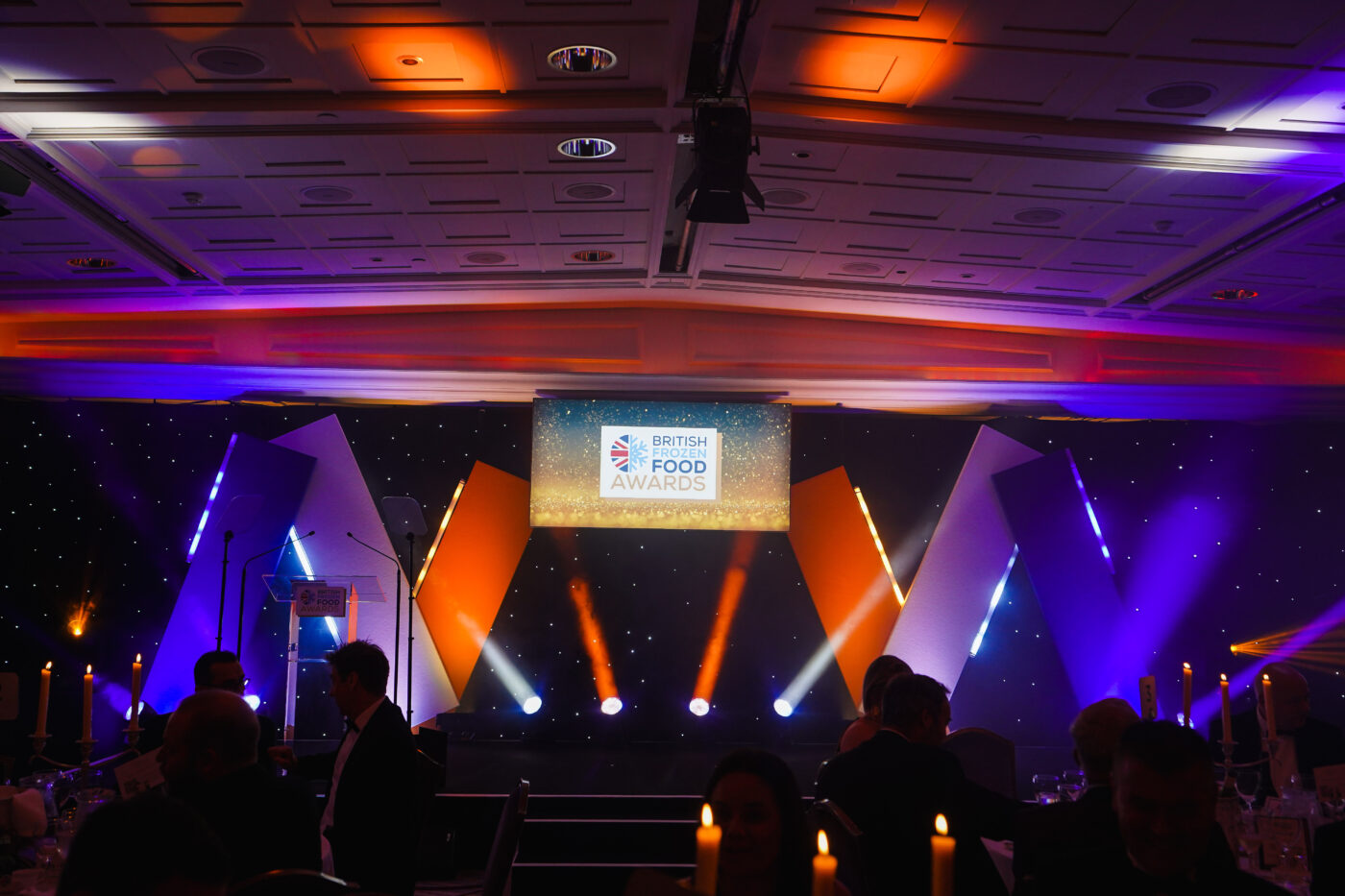
  • Awards Night
Upcoming Events More Events
Sponsorship Packages

We offer a range of sponsorship opportunities to BFFF members across our events throughout the year, with flexible packages that can be tailored to suit your business objectives.

Contact Us
British Frozen Food Federation Members Logo
what our members say...
  • Wakefield Council

    “What an amazing piece of work and indicative of how BFFF respond to the concerns of their members and make an impact on the whole industry sector.”

    See Full Quote

  • Sysco

    “You guys really ‘Do The Right Thing’ for the good of the industry”

    See Full Quote

  • Darta

    “The BFFF awards night is becoming an “appointment not to miss” on our calendar and we again enjoyed it immensely together with lots of well-known people from our industry. The…

    See Full Quote

  • Kantar Worldpanel

    “The Business Conference was an excellent day that was very well organised and allowed so many likeminded individuals in the room to learn so much more around the Frozen industry….

    See Full Quote

  • Lakeside Food Group Ltd

    “This Not For EU labelling situation alarmed us and quickly became a major worry to our business. These are times when you really rely on some support and from previous…

    See Full Quote

  • Meadow Vale Foods Limited

    “We had a few questions with respect to the new EPR waste packaging legislative changes. I know some of my colleagues have been assisted by BFFF in the past so…

    See Full Quote

  • Newberry International Produce Ltd

    “I am writing to express my heartfelt gratitude for the outstanding event you organised. I have only worked in this sector for the past nineteen months coming from twenty-five years…

    See Full Quote

  • Place UK Ltd

    “The BFFF 2024 Conference was compelling and thought provoking, with a many relevant and interesting topics covered at great pace and some depth by excellent speakers – will certainly attend…

    See Full Quote

  • Roswel Spedition GMBH

    “Thank you and the team for rushing around so brilliantly before, during and after the conference. It was pleasure to be part of the conference.”

    See Full Quote

  • Seara

    “The event was great, in my opinion. Not only it was very well organised, but the venue and the catering were excellent too. Furthermore, the content of the presentations was…

    See Full Quote

Website Designed & Built by we are CODA