Become a member

FSS PUBLISH SCOTTISH PUBLIC HEALTH NUTRITION STRATEGY

Food Standards Scotland have recently published their Public Health Nutrition Strategy setting out a revised approach to addressing the statutory objective to improving the diet of the population in Scotland.

In the last 20 years, there has been little improvement towards achieving the dietary intakes set out in the Scottish Dietary Goals (SDGs).

This places a huge stress on both the NHS and society in general as the approximate costs of treating overweight and obesity in Scotland are estimated to be in the region of £363-£600 million, with wider related costs such as loss of productivity suggested to be between £0.9-£4.6 billion.

At present, the food environment heavily incentivises and promotes low-cost foods which over-contribute to energy, fat, saturated fat, salt and free sugar intakes. The strategy signals a greater focus on measures to influence the food environment supporting healthier and more sustainable options for consumers.

The strategy can be downloaded in pdf format here

WHO PUBLISH NEW GUIDELINE ON THE USE OF NON-SUGAR SWEETNERS

The World Health Organization (WHO) has released a new guideline on non-sugar sweeteners (NSS), which recommends against their use to control body weight or reduce the risk of noncommunicable diseases (NCDs).

The recommendation is based on the findings of a systematic review of the available evidence and suggests that the use of NSS does not necessarily provide any long-term benefit in reducing body fat in adults or children. In fact, it suggests that long-term use of NSS could have undesirable effects, such as an increased risk of type 2 diabetes, cardiovascular diseases, and mortality in adults.

The recommendation applies to all people except individuals with pre-existing diabetes. It includes all synthetic and naturally occurring or modified non-nutritive sweeteners that are not classified as sugars found in manufactured foods and beverages, or sold on their own to be added to foods and beverages by consumers.

Common NSS include acesulfame K, aspartame, advantame, cyclamates, neotame, saccharin, sucralose, stevia and stevia derivatives.

The guideline is part of a suite of existing and forthcoming guidelines on healthy diets that aim to establish lifelong healthy eating habits, improve dietary quality and decrease the risk of NCDs worldwide.

The guideline can be downloaded here


FAO PUBLISH UPDATED GENERAL PRINCIPLES OF FOOD HYGIENE DOCUMENT

The UN Food and Agriculture organisation (FAO) have recently published a new format Codex General Principles of Food Hygiene (GPFH) document. This document outlines the general principles that should be understood and followed by food business operators at all stages of the food chain and that provide a basis for competent authorities to oversee food safety and suitability.

This edition contains a new annex which introduces tools to determine the critical control points in a hazard analysis and critical control point (HACCP) system.


It can be downloaded in pdf format here

FSA AND FSS LAUNCH NEW REGULATED PRODUCT APPLICATION SYSTEM

The Food Standards Agency (FSA) and Food Standards Scotland (FSS) have launched a new system for businesses to make applications for Regulated Products.

The new, more efficient system will help businesses follow the correct procedure when it comes to securing the necessary authorisation to sell regulated food and feed products. It is designed to make it easier for applicants to understand what information is required to submit a good-quality, complete application for their product and will be particularly helpful for new businesses and those that don’t traditionally recognise themselves as food or feed businesses, like start-ups.

Applicants will be provided with a checklist of what is required, will be allowed more time for the application and supporting material to be uploaded and completed, and will be able to see the progress of their application. Applicants will also receive regular updates, which they can respond to. Additionally, the system will support renewals but will not affect applications already in progress on the previous system.

More information on how to apply for a regulated product authorisation can be found here

AUSTRALIA REVEALS LOWEST RATE OF UNDECLARED ALLERGEN RECALLS IN LAST 8 YEARS

The Food Standards Agency of Australia and New Zealand (FSANZ) have published the results of a decade long study, which revealed that last year Australia had their lowest rate of ‘undeclared allergen’ related product recalls in 8 years, at just 29 cases.

The volume of food recalled represents a very small proportion of the large amount of food products available in the Australian market. Most recalls are precautionary and initiated by food businesses to ensure that potentially unsafe food is removed from distribution and sale. Only a small amount of recalls are linked to a suspected or confirmed illness/injury.


Over time broader regulatory oversight, improved self-monitoring by food businesses and greater consumer vigilance have helped to strengthen problem detection. Continued advancements in food technology, analytical testing and traceability are also expected to influence the number of food recalls.


Strategies implemented by FSANZ to reduce recalls include a focus on tighter regulations, and new initiatives such as a consumer information portal which provides best practice food allergen resources to different sectors of the community.

You can read the report in full here


REVIEW OF GUIDANCE ON FOOD ALLERGEN CLEANING SUPPORTS FSA WORK ON PAL

The Food Standards Agency (FSA) have recently carried out a review of international literature and guidance relating to cleaning methods to remove food allergens from surfaces. This study serves to support the FSA’s work on Precautionary Allergen Labelling (PAL).

Evidence gathered from previous food industry consultations showed that there is uncertainty around the effectiveness of allergen cleaning which is a barrier to effective use of PAL. This means it is difficult for people with food allergies to determine which foods they should avoid.

The study identified many factors that affected cleaning including what the foodstuff was, the surface material and its properties, the accessibility of equipment, cleaning time and temperature and the cleaning chemical properties.

Overall, the studies showed that the selection of a cleaning methodology should be determined on a case-by-case basis because it is not possible to state that one cleaning methodology will effectively clean in all scenarios due to many variables.

You can read the study in more detail here

Member Benefits

Exclusive Partnership deals on key products and services:

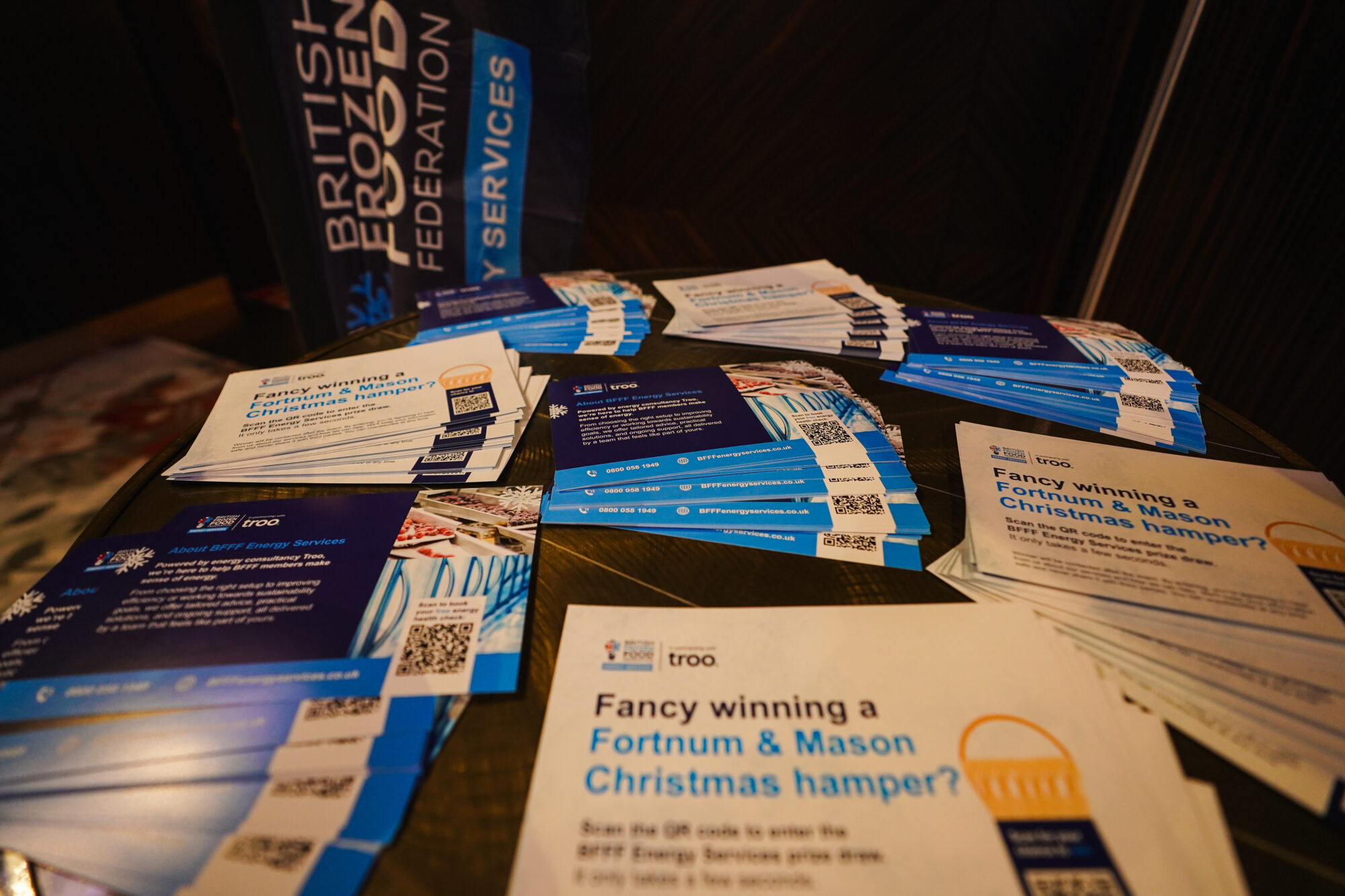
  • BFFF energy deals and rates
  • Vypr member deals and introduction
  • Defib Plus deals
  • Company Shop – membership
  • Mentor – MHE training health check

Exclusive access to networking opportunities and events:

  • Meet the Buyer events (retail & foodservice)
  • Annual Business Conference with networking dinner
  • Specialist H&S and Technical Conferences
  • Special interest groups (packaging, frozen food temperatures)
  • Annual Lunch
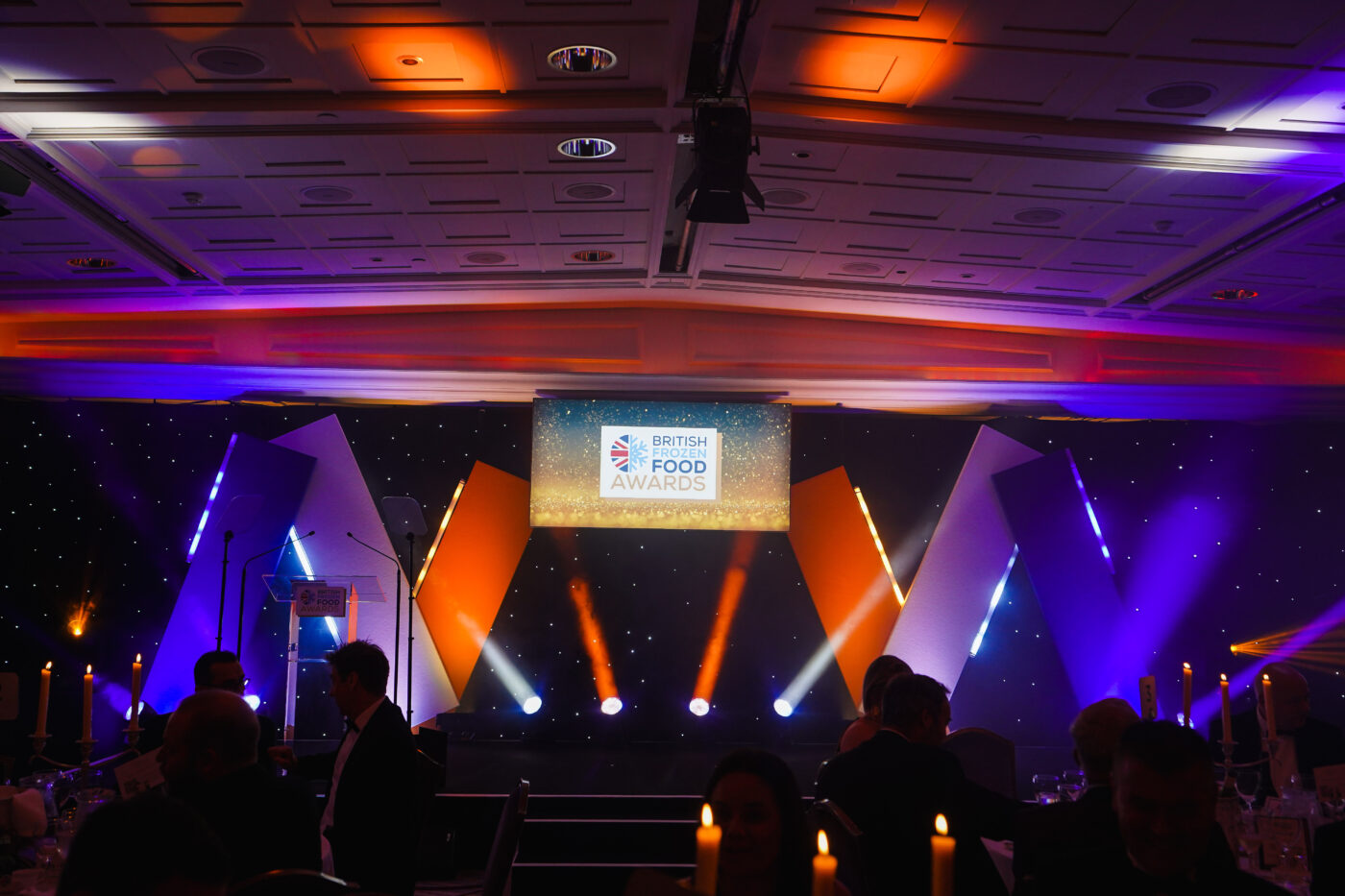
  • Awards Night
Upcoming Events More Events
Sponsorship Packages

We offer a range of sponsorship opportunities to BFFF members across our events throughout the year, with flexible packages that can be tailored to suit your business objectives.

Contact Us
British Frozen Food Federation Members Logo
what our members say...
  • Wakefield Council

    “What an amazing piece of work and indicative of how BFFF respond to the concerns of their members and make an impact on the whole industry sector.”

    See Full Quote

  • Sysco

    “You guys really ‘Do The Right Thing’ for the good of the industry”

    See Full Quote

  • Darta

    “The BFFF awards night is becoming an “appointment not to miss” on our calendar and we again enjoyed it immensely together with lots of well-known people from our industry. The…

    See Full Quote

  • Kantar Worldpanel

    “The Business Conference was an excellent day that was very well organised and allowed so many likeminded individuals in the room to learn so much more around the Frozen industry….

    See Full Quote

  • Lakeside Food Group Ltd

    “This Not For EU labelling situation alarmed us and quickly became a major worry to our business. These are times when you really rely on some support and from previous…

    See Full Quote

  • Meadow Vale Foods Limited

    “We had a few questions with respect to the new EPR waste packaging legislative changes. I know some of my colleagues have been assisted by BFFF in the past so…

    See Full Quote

  • Newberry International Produce Ltd

    “I am writing to express my heartfelt gratitude for the outstanding event you organised. I have only worked in this sector for the past nineteen months coming from twenty-five years…

    See Full Quote

  • Place UK Ltd

    “The BFFF 2024 Conference was compelling and thought provoking, with a many relevant and interesting topics covered at great pace and some depth by excellent speakers – will certainly attend…

    See Full Quote

  • Roswel Spedition GMBH

    “Thank you and the team for rushing around so brilliantly before, during and after the conference. It was pleasure to be part of the conference.”

    See Full Quote

  • Seara

    “The event was great, in my opinion. Not only it was very well organised, but the venue and the catering were excellent too. Furthermore, the content of the presentations was…

    See Full Quote

Website Designed & Built by we are CODA