Become a member

Avoiding HR Pitfalls: Why Fair Investigations Matter in Disciplinary Cases

Avoiding HR Pitfalls: Why Fair Investigations Matter in Disciplinary Cases

A recent employment tribunal ruling in Shah v FoodHub Ltd is a cautionary tale for employers: dismissals made in haste, without following proper procedure, can lead to significant financial and reputational damage. As hybrid and remote working continue to reshape the employment landscape, this case underscores the importance of structured processes and procedural fairness.

Background to the case

Tanveer Shah joined Stoke-on-Trent-based FoodHub, an online food ordering platform earning two promotions in under three years to become UK sales team manager – a role that required him to spend most of the week in the field, coaching and mentoring staff.

When FoodHub’s CEO, Adrian Mula, suspected Mr Shah was working remotely from Egypt and neglecting his duties, frustration escalated into an on-the-spot dismissal. He was accused of “illegitimately taking a salary.”

Although the initial dismissal was overturned, Mr Shah was suspended and subjected to a disciplinary process that ultimately ended in the same outcome. At a tribunal, employment judge Maxwell ruled that the process was “little more than a façade” designed to justify the earlier decision. The “unfair” dismissal, coupled with an investigation with “fundamental flaws”, led to its decision to award Mr Shah £61,519.

Why the dismissal was deemed unfair

While the employer had reason to question Mr Shah’s performance, this case investigation contained “fundamental flaws.” Employers must demonstrate that their investigation was reasonable in all circumstances, even when misconduct appears obvious. This includes:

  • Presenting the full substance of allegations clearly.
  • Allowing the employee time to respond.
  • Substantiating claims with evidence, such as witness interviews, relevant documents, performance reviews, and timelines.
  • Capturing all evidence, including that which may refute allegations.

Purposefully omitting key information could be considered as skewing the investigation’s results in favour of a predetermined result.

The importance of impartiality

Ensuring the investigator is not also the decision-maker is critical, and each role and procedural step should be clearly signposted. Depending on the size and structure of the business, this could involve HR or a senior manager with no prior involvement.

FoodHub blurred these lines. The HR Manager investigated and questioned Mr Shah at the disciplinary hearing, failed to gather testimony from colleagues who could have corroborated Mr Shah’s work, and did not disclose key evidence before the hearing. Mr Shah’s “unblemished good service” was also overlooked – something that should be considered when deciding any sanction.

Judge Maxwell concluded the process “failed even the minimum standards of fairness expected of a reasonable employer.”

Lessons for employers

The absence of HR early in this case is telling – a measured process could have prevented legal risk. Instead, HR’s late involvement became reactive, attempting to retrofit fairness into an unfair process.

To avoid similar pitfalls, employers should:

  • Make HR consultation mandatory before taking first steps in response to misconduct.
  • Implement a ‘cooling-off’ period before serious decisions.
  • Provide training for managers on disciplinary procedures, communication skills, and de-escalation techniques.

Hybrid working and unclear expectations

This case also exposes how unclear expectations around remote and hybrid working can fuel misunderstanding. Since 2020, many employers have adopted flexible patterns but failed to standardise policies.

Employers must implement set policies that clearly define expectations, ensuring they:

  • Specify where employees can and cannot work, especially abroad.
  • Set approvals processes for temporary overseas working.
  • Outline reporting and performance expectations in remote contexts.
  • Consult staff before operational changes that affect contractual terms.

This will help employees understand their responsibilities and encourage transparent, open communication.

Final thoughts

As hybrid working continues to reshape employment relationships, the principles of fairness, reasonableness, and procedural integrity remain non-negotiable. Even with substantial reason for dismissal, structured processes protect both employees and organisations from legal and reputational risk. By embedding this culture of trust and transparency, organisations can ensure that integrity is consistently reflected in decisions and practices.

How we can help

If you’re concerned about disciplinary procedures, remote working policies, or mitigating unfair dismissal risks, our employment law specialists can provide practical, tailored advice.


The Unseen Risks of Restricting Flexible Working

The Unseen Risks of Restricting Flexible Working

As more organisations push for a return to the office, the move is not without resistance. Earlier this year, a group of civil servants took industrial action in response to the closure of six offices and the introduction of strict attendance policies. While employers are legally entitled to restrict working from home, or stop it entirely, doing so without careful planning can carry significant risks.

Recruitment and retention challenges

One of the most pressing concerns is the potential impact on recruitment and retention. A survey by Kahoot! found that 34% of professionals aged 25-34 would be more likely resign if they were required to work in the office more, and among 18–24-year-olds, the figure is similar at 29%.

For many in these age groups, remote or hybrid working is all they’ve known, making a full-time return to the office a difficult adjustment. The risk of talent loss is therefore particularly high among younger workers, as well as among those with accessibility needs or childcare responsibilities, for whom flexible working is a necessity.

Legal considerations and policy implementation

Although every employee now has the right to request flexible working from day one of employment, this does not prevent employers from requiring office attendance. By the time a policy’s been introduced, the business rationale behind the change should have already been laid out which, if having properly considered all the usual potential discrimination risks, will pre-empt complaints and enable employers to justify any likely refusal of flexible working requests.

Before implementing changes, it’s essential to review employment contracts, particularly clauses relating to place of work and core hours. If a previously remote employee is to be brought back into the office, this may constitute a contractual change requiring formal agreement.

Avoiding legal pitfalls

Employers must also review existing policies, such as those covering remote or agile working. A heavy-handed approach could lead to claims of unfair dismissal or discrimination, especially from employees with protected characteristics. To mitigate these risks, a thorough consultation process should be undertaken. This allows concerns to be addressed early and helps ensure that employees feel heard and supported.

Communication is key

Clear, honest communication is vital. Employers should explain the reasons behind any changes and highlight the benefits of office-based work, such as improved collaboration, stronger workplace culture, and better training opportunities for junior employees. Encouraging open dialogue and addressing concerns can help ease the transition and reduce resistance.

Taking a phased approach

Where policies are not well received, employers could backtrack and take a less hardline approach by adopting a more structured agile working policy instead of forcing full office attendance. For example, introducing a structured hybrid model – such as two days in the office per week – can help ease employees back into office life. This phased return can be particularly effective for junior workers, who may come to appreciate the benefits of in-person collaboration over time.

However, phased returns can introduce complexity. Employers must be careful not to create a two-tier workforce, where some employees feel unfairly treated. Consistency is key to maintaining morale and avoiding internal tensions.

Managing expectations with care

There will always be exceptions, particularly for those with accessibility needs. These must be handled sensitively and in line with data protection and privacy laws. This is why a thorough consultation process is essential before implementing changes, as it provides an opportunity to pre-empt all these factors and ensure a smooth transition.

Taking a strategic and sensitive approach

With the Office for National Statistics reporting that 41% of degree-educated Britons currently work from home at least some of the time, bringing employees back into the office is no small task. Employers must approach this carefully, focusing on the positives of in-person working and ensuring that any policy changes are implemented fairly and transparently.

A well-managed consultation process not only reduces legal risk but also helps foster a more engaged and resilient workforce.

How we can help

Our team of employment lawyers can provide clear, practical guidance on updating your workplace policies while minimising legal risk. From reviewing contracts and policies to advising on consultation processes and discrimination considerations, we ensure your approach is compliant and fair.

Supporting Neurodivergent Employees: What Counts as a Reasonable Adjustment?

Supporting Neurodivergent Employees: What Counts as a Reasonable Adjustment?

A recent employment tribunal decision has highlighted the complexities surrounding what constitutes a ‘reasonable adjustment’ for neurodivergent employees.

Ms Khorram, a Cloud Technologist with over 25 years’ experience, worked for technology services company Capgemini. During her probation period, she disclosed that she was taking ADHD medication, which was affecting her ability to carry out day-to-day tasks.

In response, Capgemini arranged an occupational health assessment, which recommended that the team attend a training seminar on working with individuals with ADHD. However, the seminar was never delivered after Ms Khorram expressed discomfort at being required to attend herself. The company also failed to implement coaching sessions aimed at enhancing communication between HR at Capgemini and Ms Khorram. These oversights were deemed by the tribunal to constitute a failure to make reasonable adjustments, and Ms Khorram was partially successful in her claim.

This case raises important questions about what employers must do to support neurodivergent employees and how to ensure that adjustments are both reasonable and effective.

Understanding reasonable adjustments

Under the Equality Act 2010, individuals with a ‘significant impairment’ that substantially affects their ability to carry out normal day-to-day activities may be considered disabled. Employers are legally required to consider and implement reasonable adjustments for such employees.

The aim of these adjustments is to remove or reduce barriers, support coping strategies, and provide tools that enable neurodivergent employees to thrive. This recognises that while an individual may face challenges in some areas, they may excel in others—and with the right support, can perform effectively.

Examples of reasonable adjustments

Examples of reasonable adjustments for employees with ADHD or similar conditions might include:

  • Additional reminders for deadlines, especially when multiple deadlines are due in a short timeframe.
  • Extended time to complete tasks.
  • Consideration of workload to avoid excessive multitasking.
  • Frequent breaks from the workspace.
  • Advance notice of social events.
  • Regular one-to-one sessions with managers to encourage open communication.
  • Standing desks to improve focus and reduce restlessness.

In Ms Khorram’s case, the tribunal found that Capgemini failed to provide achievable tasks, did not deliver ADHD awareness training, and neglected to implement coaching sessions – despite these being recommended by occupational health.

Being a supportive employer

Supporting neurodivergent employees begins with understanding, open communication, and tailored support. Many individuals may be undiagnosed or choose not to disclose their condition. Employers should avoid pressuring employees into disclosure and instead foster a culture of trust where individuals feel safe to share their needs.

Confidential conversations can be particularly helpful when performance concerns arise. Employers may also benefit from engaging with neurodiversity-focused charities to better understand how to approach these conversations with empathy and discretion.

When a condition is disclosed, an occupational health assessment can provide valuable guidance. However, as this case shows, it’s not enough to commission a report – employers must act on its recommendations.

In Ms Khorram’s situation, the failure to follow through on suggested coaching and the imposition of additional objectives despite known difficulties with multitasking were key factors in the tribunal’s decision.

Embedding neurodiversity into workplace culture

To create a psychologically safe and inclusive environment, employers should consider team-wide training on neurodiversity as part of broader diversity and inclusion efforts. This avoids singling out individuals and helps build a culture of understanding.

In this case, both Ms Khorram and Capgemini’s HR team agreed that training could have been beneficial. However, because the session was framed as a response to her diagnosis, she declined to attend – and therefore the training was never delivered. The tribunal found this to be a failure to make reasonable adjustments.

This highlights the importance of designing training that is inclusive by default, rather than reactive or individualised in a way that may cause discomfort.

Becoming truly inclusive

Creating an inclusive workplace requires more than compliance – it demands proactive engagement. Employers must tailor adjustments to individual needs, maintain open lines of communication, and act on expert recommendations. As this case demonstrates, failure to do so can have legal consequences and damage trust.

Embedding neurodiversity awareness into broader inclusion strategies helps create a culture where all employees feel supported and valued.

If you’re an HR professional looking to better support your neurodivergent employees, we can help you navigate your legal obligations and implement best practices. Get in touch today to discuss how we can support your organisation in building a more inclusive workplace.

SUSTAINABILITY AT THE CORE

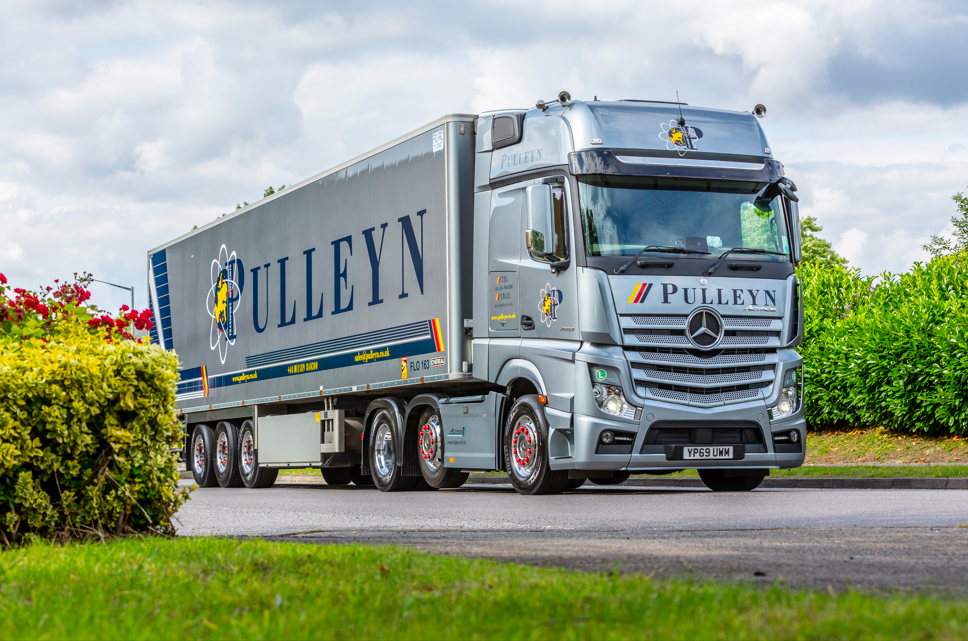
As a proud member of the CubeCold group, Pulleyn Transport has spent more than five decades setting the benchmark for temperature-controlled storage and logistics. Our reputation is built on delivering exceptional service while embedding sustainability into every aspect of our operations. Environmental responsibility isn’t just a goal—it’s a guiding principle.

To achieve this, we continually invest in cutting-edge solutions that reduce emissions and improve efficiency. Our fleet includes fuel-efficient vehicles equipped with advanced refrigeration systems designed to maintain product integrity while minimizing energy consumption. Comprehensive driver training programs further enhance performance, ensuring journeys are optimized for both safety and sustainability. These initiatives allow us to transport goods with precision and care, while significantly reducing environmental impact.


TRUSTED BY THE MOST DEMANDING SECTORS

CubeCold’s expertise extends beyond transport. Our state-of-the-art cold storage facilities provide seamless integration between warehousing and distribution, creating a complete solution for businesses that demand reliability and compliance. From pharmaceuticals and biotech to food and beverage, we understand the unique challenges of temperature-sensitive cargo.

Our teams work closely with clients to develop tailored strategies that safeguard product quality throughout the supply chain. This commitment to precision and adaptability has earned us the trust of global brands operating in highly regulated industries. Every decision we make is driven by client needs, ensuring that innovation and sustainability go hand in hand. By partnering with CubeCold, businesses gain access to a logistics provider that prioritizes responsibility, efficiency, and continuous improvement.


LOOKING AHEAD

The future of logistics is green, and CubeCold is leading the charge. We are investing heavily in technologies that reduce carbon emissions and improve operational sustainability. From energy-efficient refrigeration systems to renewable energy initiatives, our focus is on creating solutions that benefit both our clients and the planet.

Our vision is clear: to deliver world-class storage and transport services while setting new standards for environmental stewardship. As one of Europe’s most forward-thinking logistics providers, CubeCold is committed to shaping an industry that values sustainability as much as performance.


PART OF THE EXPANSION

Growth is central to our strategy, and recent developments reflect this ambition. CubeCold has expanded its footprint across Belgium, the Netherlands, Italy, and Spain, with plans to establish operations in Poland, Germany, and France. These moves strengthen our position as a pan-European leader in temperature-controlled logistics.

Closer to home, our new 23,000-pallet storage facility in the UK is scheduled to open in Q1 2026. This cutting-edge site will enhance capacity and efficiency, supporting sustainable growth while meeting the evolving needs of our clients. Every expansion is guided by our commitment to reliability, innovation, and environmental responsibility.


CUBECOLD: A FUTURE-READY LOGISTICS HUB

Location matters—and CubeCold’s strategic positioning offers unmatched advantages. Situated within easy reach of London, Southampton, and Heathrow Airport, and directly connected to the M4 and M25 corridor, our facilities provide rapid access to key transport routes. This ensures fast, efficient distribution across the South East and beyond, without the delays and costs associated with inner-city operations.

One of our most significant benefits is the ability to avoid London’s ULEZ charge, delivering immediate cost savings and operational flexibility for businesses. This makes CubeCold an ideal partner for companies seeking sustainable, compliant logistics solutions without unnecessary overheads.

Looking to the future, CubeCold is perfectly aligned with the transition to zero-emission transport. Our location is well within the range of battery electric vehicles, enabling clients to adopt green fleets without compromising on efficiency. This forward-thinking approach reinforces our commitment to sustainability and positions CubeCold as a logistics hub built for tomorrow’s challenges.

By combining strategic access, advanced infrastructure, and readiness for next-generation transport, CubeCold offers more than a service—it provides a partnership for growth. Businesses that choose CubeCold gain a competitive edge today while preparing for a cleaner, smarter future.

OAKLAND INTERNATIONAL CELEBRATES B CORP MOVEMENT’S 10TH ANNIVERSARY

Staff at total supply chain solutions provider Oakland International have been reflecting on the power of the B Corp movement as it marks its 10th anniversary.


Oakland has proudly held B Corp certification since 2022, and November’s Take 10 celebration offered employees the chance to consider what being part of this global community means for the business.


To achieve B Corp status, companies must meet rigorous standards of social and environmental performance, balancing people and the planet alongside profit.


Since earning certification, Oakland International has demonstrated leadership in driving sustainability within the logistics sector. The company has collaborated with other businesses to create positive change without compromising environmental integrity.

Sustainability Officer at Oakland International, Elinor Smith said as well as the environmental benefits there were staff and community benefits too with Oakland focused on making a difference through its charitable Oakland Foundation and its’ support for charities include Molly Ollys and local foodbanks.


Elinor said: “We are one of the few logistic companies to achieve B Corp status and it is a certification which we are very proud of.


“We will be reapplying for certification next year and are determined to hold on to such a reputable badge of honour.”


As Oakland prepares for recertification, its commitment to shaping a greener, more responsible future for logistics remains stronger than ever.


Founded on sustainable innovation, Oakland International is a Certified B Corporation and a pioneer in reducing food waste through its distress load management service. The company delivers comprehensive supply chain solutions across storage, distribution, contract packing, consolidation, and direct-to-consumer support for UK and Ireland retail, wholesale, and foodservice markets.

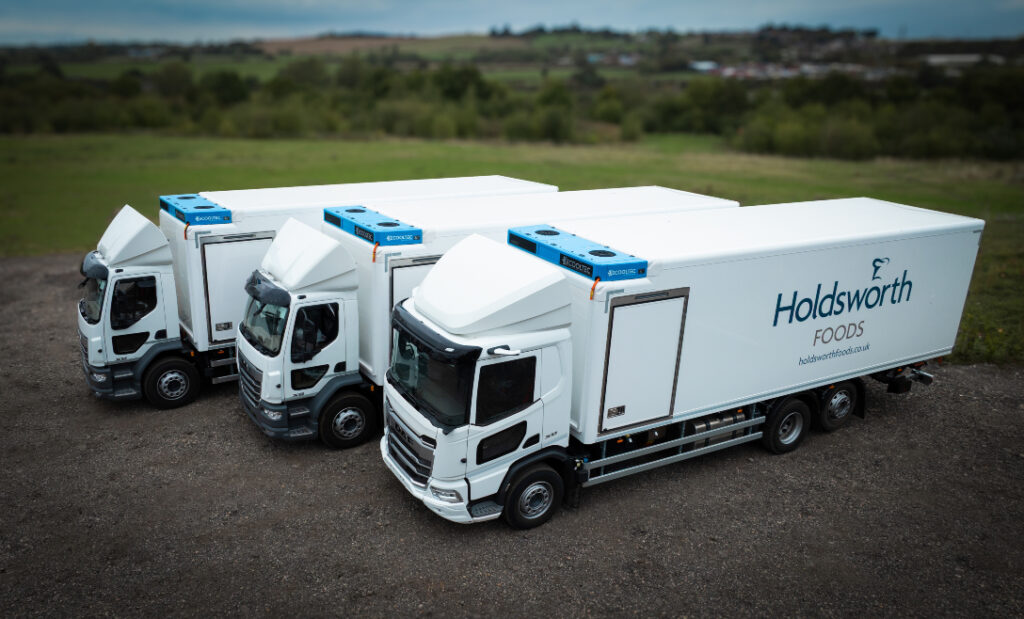
HOLDSWORTH FOODS EXPANDS FLEET WITH 19 NEW MULTI-TEMPERATURE DAF VEHICLES

We are expanding our fleet of multi-temperature vehicles with 16 new DAF XB210s, 2 new DAF XB290s, and 1 new DAF XD340 truck, taking our total multi-temp fleet to over 140 vehicles.

All 19 vehicle bodies are being built by Solomon Commercials and are fitted with the latest safety and fuel efficiency features, including enhanced aerodynamics, non-slip seamless flooring, heavy-duty load restraint systems, and premium stainless-steel fittings for durability.

Driver safety and operational efficiency have been prioritised through a comprehensive 4-camera MDR system with an in-cab 7” monitor, white-noise reversing alarms, and strategically positioned LED lighting for optimal visibility during loading and unloading.

For the XB290s and the XD340, we are particularly proud to be investing in the purely electrically driven ECOOLTEC TM182 transport refrigeration units, designed for larger, rigid, multi-temperature applications. These units are revolutionary within the transport refrigeration industry, delivering both economic efficiency and environmental benefits.

The TM182 uses natural refrigerants R1270 and R744, which—unlike F-gases—do not contain PFAS harmful to the atmosphere. Furthermore, these refrigerants have a negligible Global Warming Potential.


The ECOOLTEC TM182 units require reduced maintenance, hold zero ozone-depleting potential, and deliver excellent performance — a true win-win.

By choosing these ECOOLTEC Transport Refrigeration Units (TRUs) over traditional TRUs, we’re achieving a reduction of over 14.5 tonnes of CO₂e per vehicle — a total of 43.65 tonnes of CO₂e saved across the three vehicles. Unlike diesel refrigeration machines, the ECOOLTEC units produce neither local pollutants nor CO₂ emissions during battery operation, and up to 98% fewer emissions via alternator drive.

As an independent family business, Holdsworth Foods is proud to collaborate with other independent family businesses within our supply chain. Solomon Commercials, operating for almost 50 years, counts Michael I Holdsworth Ltd among their very first customers. ECOOLTEC was founded by Peter Großkopf, a respected name in the transport refrigeration industry and founder of Frigoblock.

All refrigeration units are being fitted by CC Refrigeration, another independently owned business that Holdsworth Foods has partnered with for many years.

The XB210s are fitted with Frigoblock EK13 refrigeration units, which now offer reduced CO₂ emissions and lower noise pollution, while maintaining reliable performance across our 12-tonne vehicles during their demanding daily, multi-temperature, and multi-drop operations.

At Holdsworth Foods, we remain committed to sustainable investment — adopting new technology that reduces environmental impact, enhances operational safety, and supports long-standing partnerships with independent businesses across our industry.

Member Benefits

Exclusive Partnership deals on key products and services:

  • BFFF energy deals and rates
  • Vypr member deals and introduction
  • Defib Plus deals
  • Company Shop – membership
  • Mentor – MHE training health check

Exclusive access to networking opportunities and events:

  • Meet the Buyer events (retail & foodservice)
  • Annual Business Conference with networking dinner
  • Specialist H&S and Technical Conferences
  • Special interest groups (packaging, frozen food temperatures)
  • Annual Lunch
  • Awards Night
Upcoming Events More Events
Sponsorship Packages

We offer a range of sponsorship opportunities to BFFF members across our events throughout the year, with flexible packages that can be tailored to suit your business objectives.

Contact Us
British Frozen Food Federation Members Logo
what our members say...
  • Wakefield Council

    “What an amazing piece of work and indicative of how BFFF respond to the concerns of their members and make an impact on the whole industry sector.”

    See Full Quote

  • Sysco

    “You guys really ‘Do The Right Thing’ for the good of the industry”

    See Full Quote

  • Darta

    “The BFFF awards night is becoming an “appointment not to miss” on our calendar and we again enjoyed it immensely together with lots of well-known people from our industry. The…

    See Full Quote

  • Kantar Worldpanel

    “The Business Conference was an excellent day that was very well organised and allowed so many likeminded individuals in the room to learn so much more around the Frozen industry….

    See Full Quote

  • Lakeside Food Group Ltd

    “This Not For EU labelling situation alarmed us and quickly became a major worry to our business. These are times when you really rely on some support and from previous…

    See Full Quote

  • Meadow Vale Foods Limited

    “We had a few questions with respect to the new EPR waste packaging legislative changes. I know some of my colleagues have been assisted by BFFF in the past so…

    See Full Quote

  • Newberry International Produce Ltd

    “I am writing to express my heartfelt gratitude for the outstanding event you organised. I have only worked in this sector for the past nineteen months coming from twenty-five years…

    See Full Quote

  • Place UK Ltd

    “The BFFF 2024 Conference was compelling and thought provoking, with a many relevant and interesting topics covered at great pace and some depth by excellent speakers – will certainly attend…

    See Full Quote

  • Roswel Spedition GMBH

    “Thank you and the team for rushing around so brilliantly before, during and after the conference. It was pleasure to be part of the conference.”

    See Full Quote

  • Seara

    “The event was great, in my opinion. Not only it was very well organised, but the venue and the catering were excellent too. Furthermore, the content of the presentations was…

    See Full Quote

Website Designed & Built by we are CODA