For food producers and manufacturers, planning is essential to keeping products moving, managing costs and meeting customer expectations. Yet geopolitical uncertainty, changing trade policies, evolving consumer demands and operating cost pressures can quickly challenge even the most carefully developed strategies. Businesses therefore need to look beyond long-term forecasts and consider how effectively their supply chains can respond when circumstances change.
This was one of the themes explored during Lineage’s participation in Business Reporter’s SupplyChainTalk, “Faster decisions for a more resilient frozen food supply chain”. Raul Fores, Lineage’s Regional Vice President of Spain, France, Belgium and Italy, joined Cyrille Filott of Rabobank and Chris Fielden of GLACIER Global, in a discussion hosted by Ana Maria Velica. The panel explored how food businesses can respond to uncertainty through faster decisions, innovation, automation, real-time visibility, strategic partnerships and more flexible operating models.
Making flexibility part of the network
Efficiency is the key to managing costs, maintaining service and protecting product quality in the supply chain. But building a network around expected volumes or stable operating conditions can leave businesses open to issues when unplanned disruptions arise. Fluctuating harvests, increased customer demands and changing transportation requirements mean food businesses need to be able to quickly adapt to stay ahead. Success often depends on it.
For temperature-sensitive products, being ready for change is essential. Storage and transportation need to maintain appropriate temperature conditions, while unexpected volume changes or delays can put pressure on available capacity and planned movements. Access to strategically located cold storage, suitable transportation options and a connected network of facilities can give businesses more alternatives when their original plans need to be adjusted.
Faster decisions start with better information
A flexible network is only as effective as the information available to the people managing it. When inventory, orders and shipments are difficult to track across operations, teams may have less time to identify constraints, assess alternatives and coordinate a response.
Timely, relevant information helps connect planning with execution. It enables businesses to make decisions based on current operating conditions rather than relying exclusively on earlier forecasts and assumptions.
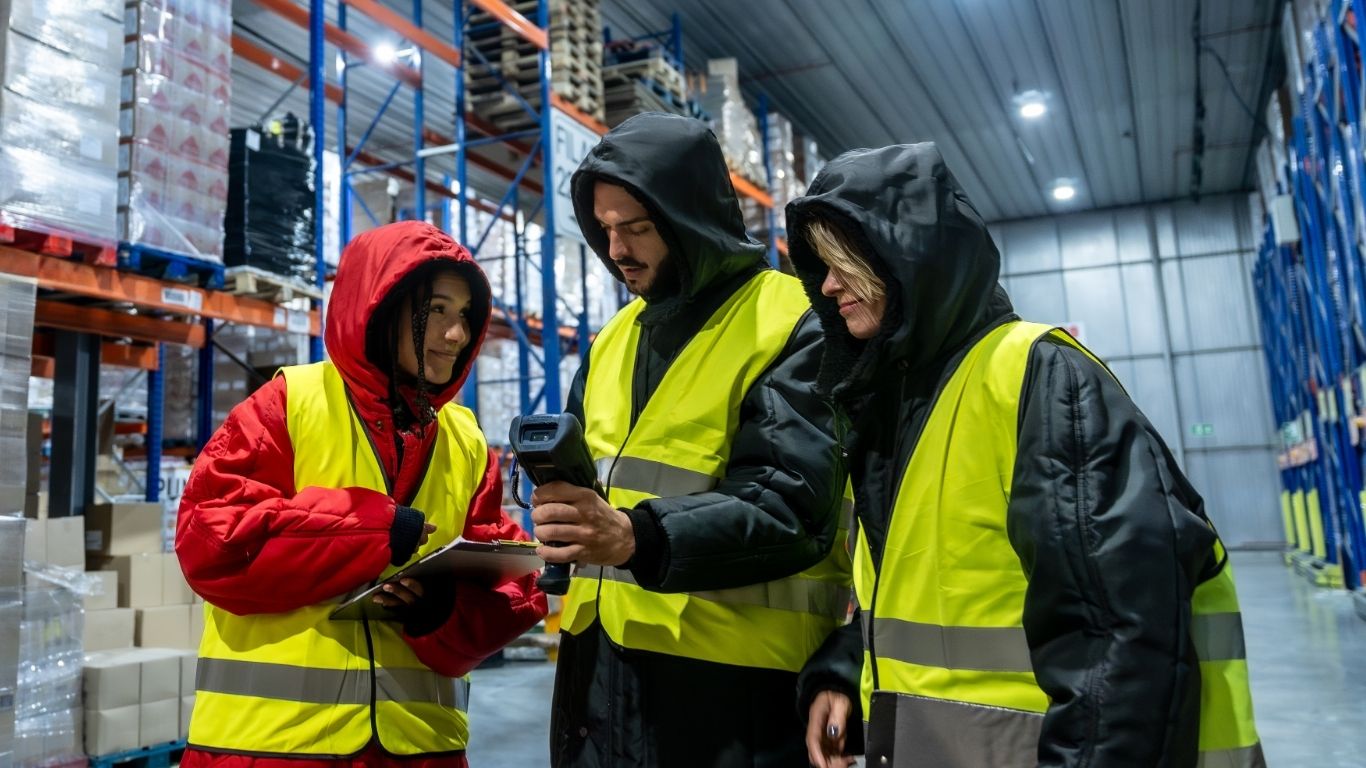
Technology is increasingly important in supporting this process. During the session, the panel explored how automation and real-time visibility can improve analysis and help businesses make faster, better-informed decisions. These tools can streamline workflows, improve access to information and give teams greater insight into their operations.
However, technology alone is not the answer. Automating an inefficient process does not necessarily make it more effective. Businesses need to understand where technology can make a meaningful difference, ensuring that digital tools support operational expertise and improve the way decisions are made.
For example, Lineage Link® gives businesses access to inventory, order and appointment information across participating Lineage facilities. Greater visibility into these activities can support coordination across operations and help businesses respond as requirements change. The wider opportunity lies in combining technology with the people, processes and infrastructure needed to turn information into action.
Resilience is built through partnership
No single facility or technology can address every supply chain challenge. Resilience depends on how well the different parts of a network work together and on the relationships between customers, logistics providers and suppliers. Strong collaboration helps businesses identify changing requirements, discuss potential constraints and coordinate resources across facilities and transportation. This is particularly important in temperature-controlled logistics, where storage, transportation and product handling need to be considered together to support the movement and quality requirements of food products.
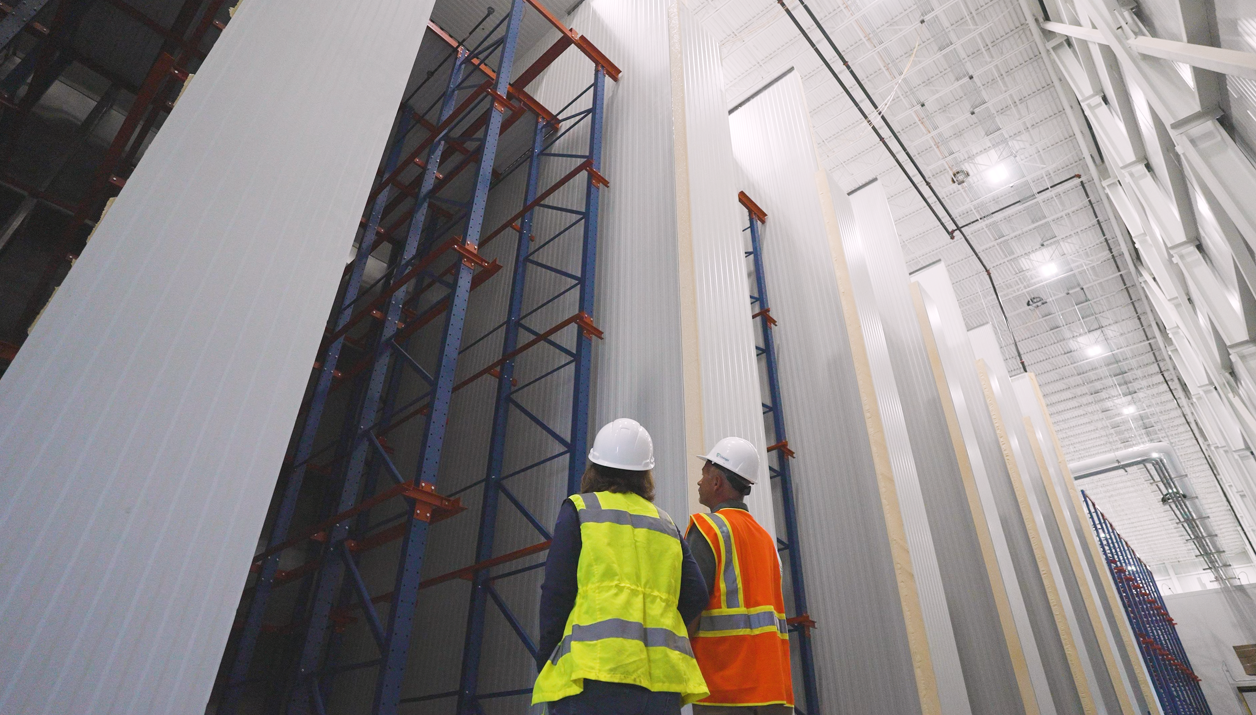
A practical example comes from Lineage’s work with a frozen produce manufacturer preparing for an anticipated record-breaking harvest of more than 47.6 million kilograms. Its existing storage network did not have sufficient capacity for the projected volume, so the customer worked with Lineage to expand its operation from 3 facilities to 15 in a matter of weeks, accommodating 64,000 pallets of frozen produce.
The response involved bringing together additional facilities and coordinating operations across the network to help manage a significant seasonal increase. It illustrates how close collaboration and access to flexible capacity can help businesses respond when demand exceeds what their existing arrangements can accommodate.
Build for what comes next
Long-term planning remains important, but it needs to be adaptable and informed by changing business conditions. Food businesses should regularly consider where their networks have limited alternatives, how quickly alternative capacity could be assessed, whether teams have the information they need to make timely decisions and how effectively logistics partners can coordinate activity across facilities and transportation. Asking these questions can help organisations identify opportunities to improve their flexibility and prepare for changing conditions.
The strongest cold chains aren’t built on the assumption that every forecast will prove correct. They are those designed with the ability to respond when actual conditions differ from expectations, while continuing to focus on product quality, operational requirements and customer needs.
As the discussion highlighted, resilience comes from bringing together the right infrastructure, technology and partnerships. In a market where conditions can change faster than traditional planning cycles, the ability to adjust may be just as important as the ability to anticipate.
Discover Lineage’s cold storage warehousing solutions and integrated cold chain capabilities, or contact the team to discuss your supply chain requirements.
Watch the full Business Reporter SupplyChainTalk webinar, Faster decisions for a more resilient frozen food supply chain, to hear more from the panel.


 + 44 (0) 1400 283090


 November 19th, 2026.


























 + 44 (0) 1400 283090