Too often, sea freight procurement is viewed through the narrow lens of an origin booking. Rate negotiations, vessel schedules and transit times undoubtedly matter, but they represent only one part of a much larger and more complex supply chain journey. The real challenge begins when cargo arrives at destination.
Many forwarders and origin agents naturally focus on the departure side of the movement. Their responsibility often ends once the container is loaded and the vessel has sailed. However, for importers, retailers, food manufacturers and distributors, the most critical risks frequently occur after the container reaches the UK.
A container arriving on schedule does not automatically mean the supply chain is performing effectively. Goods still need to navigate customs clearance, SPS and Port Health requirements, container release procedures, port congestion, quay rent exposure, detention and demurrage risks, cold store capacity constraints and inland transport availability. Any delay in one of these areas can quickly erode the savings achieved through a competitive ocean freight rate.
For temperature-controlled products, particularly Products of Animal Origin (POAO), the stakes are even higher. Customs compliance, veterinary documentation, health certification and inspection requirements can all impact delivery timelines. A single documentation discrepancy can result in costly delays, increased storage charges and disrupted stock availability.
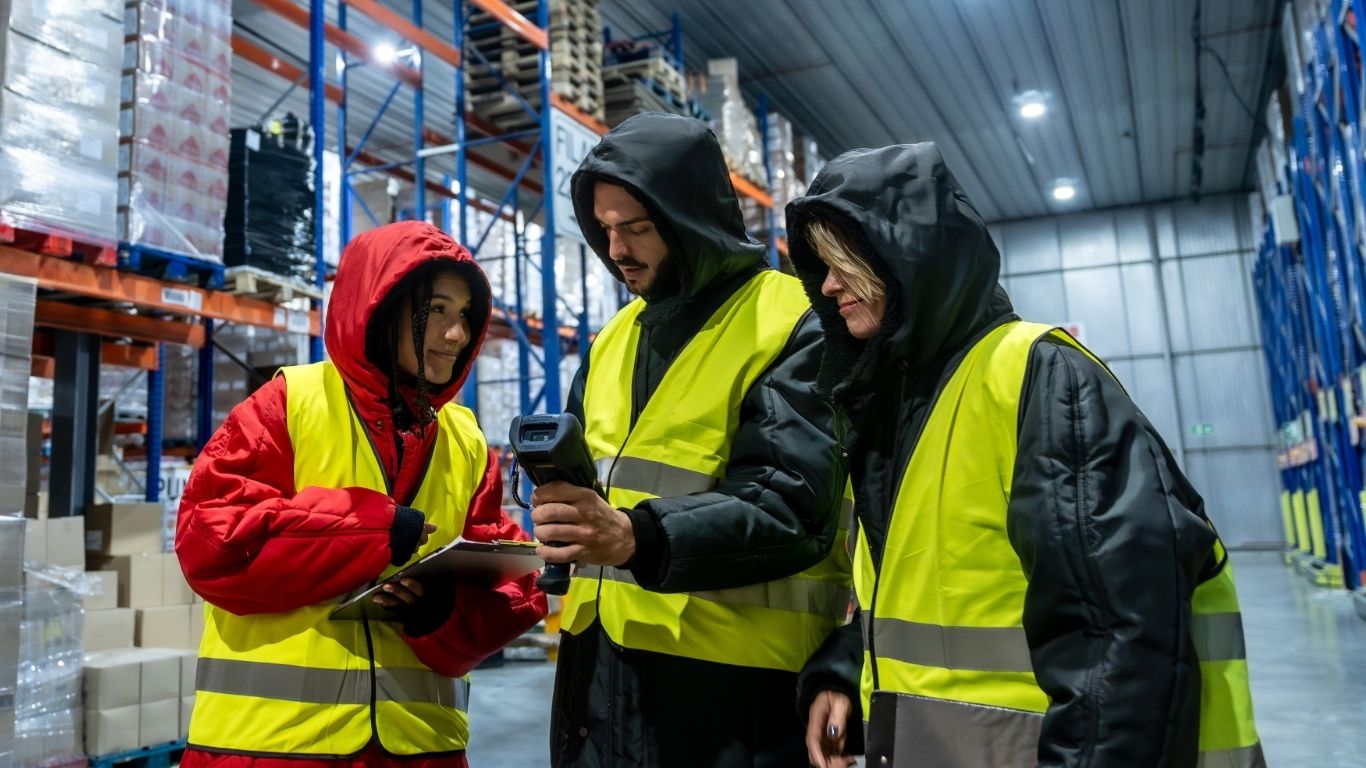
The challenge becomes even greater when containerised cargo is loose loaded rather than palletised. Many importers focus on the ocean freight movement without fully considering the significant destination handling requirements. Loose-loaded containers often require labour-intensive handball operations at inland distribution centres before goods can enter the domestic supply chain. This adds both time and cost, while also introducing further complexity around labour planning, warehouse capacity and onward distribution scheduling.
This is where the difference between simply buying sea freight and managing a supply chain becomes apparent.
At Seafast, we believe customers require control far beyond the point of origin. Our approach is built around managing the entire journey from supplier to final delivery, with particular emphasis on the destination activities that have the greatest impact on service, cost and stock availability.
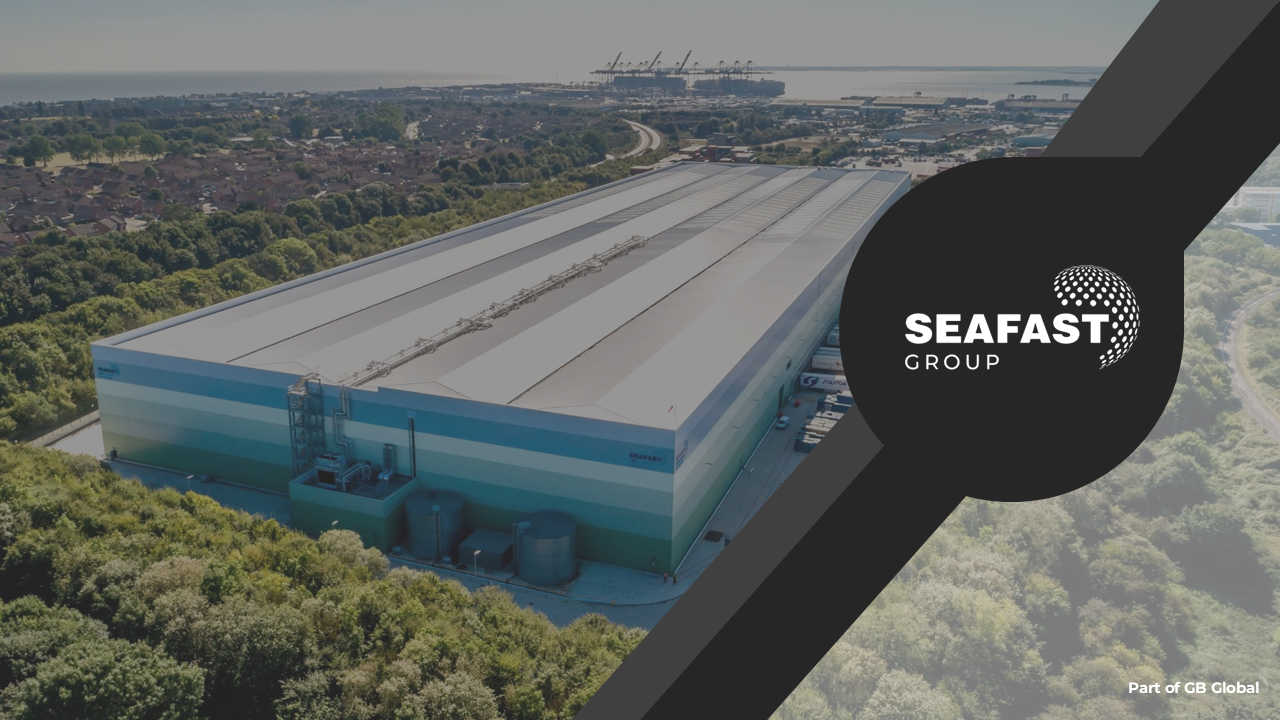
Our port-centric model at the Felixstowe Mega Distribution Centre (FMDC) allows cargo to move rapidly from port to storage while minimising unnecessary inland transportation, reducing congestion points and providing faster access to inventory.
This integrated approach delivers greater visibility, lower handling costs and improved supply chain resilience. The FMDC infrastructure forms part of a wider end-to-end solution which combines freight forwarding, customs brokerage, Port Health liaison, warehousing and distribution into a single coordinated operation.
What Makes Seafast Different?
The answer lies in our specialist focus, operational control and partnership-driven approach.
Recognised Specialist Capability
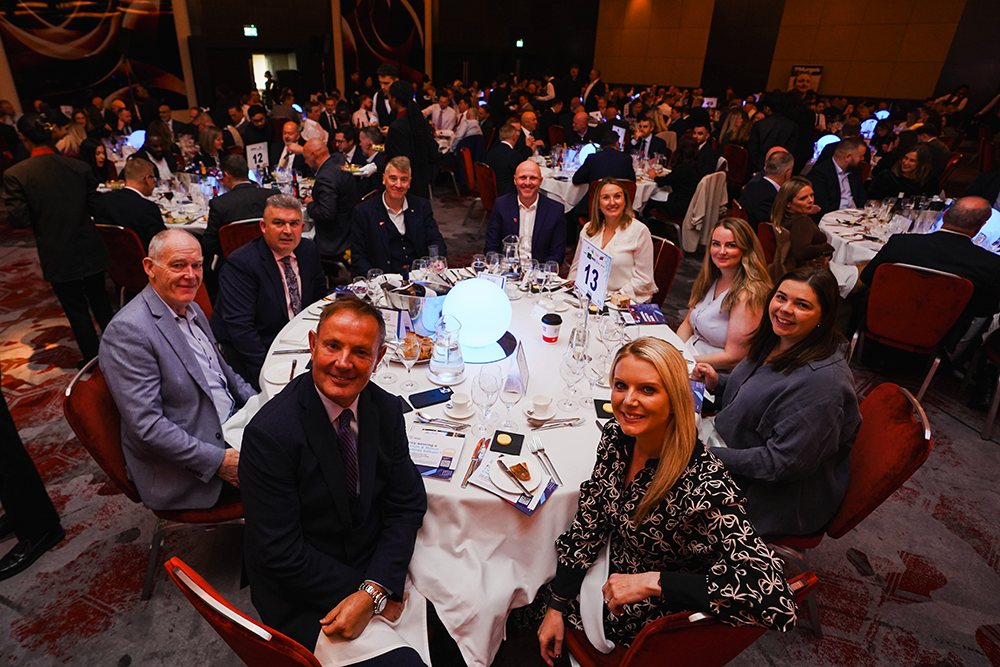
Seafast’s specialist capability is also recognised across the wider logistics industry. The business has received multiple industry awards, including Multimodal Freight Forwarder of the Year, BIFA Freight Service Awards recognition for Specialist Services, and the Queen’s Award for Enterprise in International Trade. These achievements reflect the strength of Seafast’s operational expertise, customer service standards and long-standing ability to deliver complex, temperature-controlled and specialist supply chain solutions.
Specialists in the 3R’s: Reefer, Remote and Relief
Unlike generalist logistics providers, Seafast has built its business around three specialist sectors:
- Reefer – Temperature-controlled food and cold chain logistics.
- Remote – Challenging, hard-to-reach and emerging markets.
- Relief – Humanitarian, aid and government supply chains.
This specialist positioning enables deeper expertise, stronger operational knowledge and more effective problem-solving in complex supply chains. This 3R strategy is a key differentiator within the market.
A Truly Integrated “One Stop Shop”
The strength of Seafast lies in connecting logistics, customs, warehousing and distribution into a seamless service offering.
Many customers using Seafast Cold Chain first enter the Group through Seafast Logistics, demonstrating how freight forwarding activities naturally connect into wider supply chain support, creating an integrated customer experience rather than a series of separate transactions.
Port-Centric by Design
Our location alongside the Port of Felixstowe is not accidental. It is a strategic advantage.
The port-centric model reduces inland transport requirements, lowers emissions, accelerates product availability and helps minimise exposure to detention, demurrage and quay rent costs. Customers gain faster access to stock while improving overall supply chain efficiency.
Agile, Flexible and Customer Focused
Seafast has built its reputation on agility and responsiveness. Our structure allows rapid decision-making and tailored solutions, particularly for complex supply chains where larger organisations may struggle to react quickly.
Global Reach Through a Trusted Network
As an established NVOCC with a global agent network, Seafast combines local expertise with international reach. Our long-standing relationships across global markets enable customers to access specialist support in both established and emerging trade lanes.
Partnership Rather Than Transaction
We view customers as long-term partners rather than individual shipments.
Regular quarterly reviews, continuous improvement programmes and increasingly sophisticated Power BI reporting provide customers with greater visibility of operational performance, costs and opportunities for optimisation. The move towards live-data dashboards and customer portals further enhances transparency and decision-making.
Seafast’s partnership approach is centred on collaboration, data-driven improvements and long-term value creation.
Industry-Leading POAO Expertise
For importers handling meat, poultry, seafood and other Products of Animal Origin, technical knowledge matters.
Seafast combines operational handling expertise with detailed Customs and Port Health knowledge. Our teams understand inspection requirements, quota management, certification challenges and regulatory compliance, helping customers navigate increasingly complex import controls.
This expertise is reinforced by our experience operating to stringent food industry standards, including DQMP accreditation and specialist cold chain handling capabilities.
Sustainability built into the operation
At Seafast, sustainability is not treated as a standalone initiative. It is embedded within the way cargo is moved, handled and stored. Through our port-centric model at Felixstowe, customers can reduce unnecessary inland mileage, improve container utilisation and cut avoidable emissions, while still protecting service performance, cost control and stock availability.
This practical approach is supported by GB Global’s wider ESG commitments, which focus on responsible social governance, environmental control, sustainable resource use, recycling and strong corporate governance across quality, health and safety and compliance. With ISO certifications now in place across the Warehouse, Cold Chain, Transport and Container Storage divisions, the Group has also established its carbon footprint baseline, completed ESOS Phase 3 compliance and published its ESG reporting framework.
At the Felixstowe Mega Distribution Centre, this commitment is visible through the £2 million solar panel installation across the 750,000 sq ft site. The 5,500 photovoltaic panels are designed to deliver a 2.5 MW peak output, generating more than 2,180,000 kWh of green electricity each year. Around 86% of that energy is expected to be used on site, supporting day-to-day operations and helping provide approximately 26% of the facility’s annual electricity demand.
For customers, the benefit is clear. Smarter logistics can support both commercial and environmental goals. Heavy payload programmes, higher UK stock holding, fewer unnecessary container moves and reduced empty road miles all contribute to lower cost, better control and a smaller carbon footprint. In practical terms, sustainability becomes part of everyday supply chain improvement rather than an additional layer of complexity.
Investing in Technology and Innovation
Innovation remains central to the Seafast strategy.
From robotic palletising and shuttle racking through to Power BI visibility tools, EDI integration, AI Powered document automation and future customer-facing technology platforms,
Seafast continues to invest in systems that improve both efficiency and customer experience. Recent operational innovations include robotic palletising, shuttle racking and real-time visibility enhancements.
The Future of Sea freight is Destination Control
In today’s market, buying ocean freight is relatively straightforward. Managing everything that happens afterwards is where real value is created.
The customers who achieve the best supply chain outcomes are increasingly those who look beyond freight rates and sailing schedules and focus instead on total landed cost, inventory availability, compliance, visibility and destination execution.
That is why Seafast continues to invest in port-centric infrastructure, specialist cold chain capability, technology, customs expertise and end-to-end service integration.
Because sea freight is not simply about getting cargo onto a vessel.
It is about ensuring that when the vessel arrives, the supply chain continues to move. Efficiently, compliantly and under control.


 + 44 (0) 1400 283090


 September 2nd, 2026.


























 + 44 (0) 1400 283090