Understanding EN 1398, Planned Maintenance and Operator Responsibilities
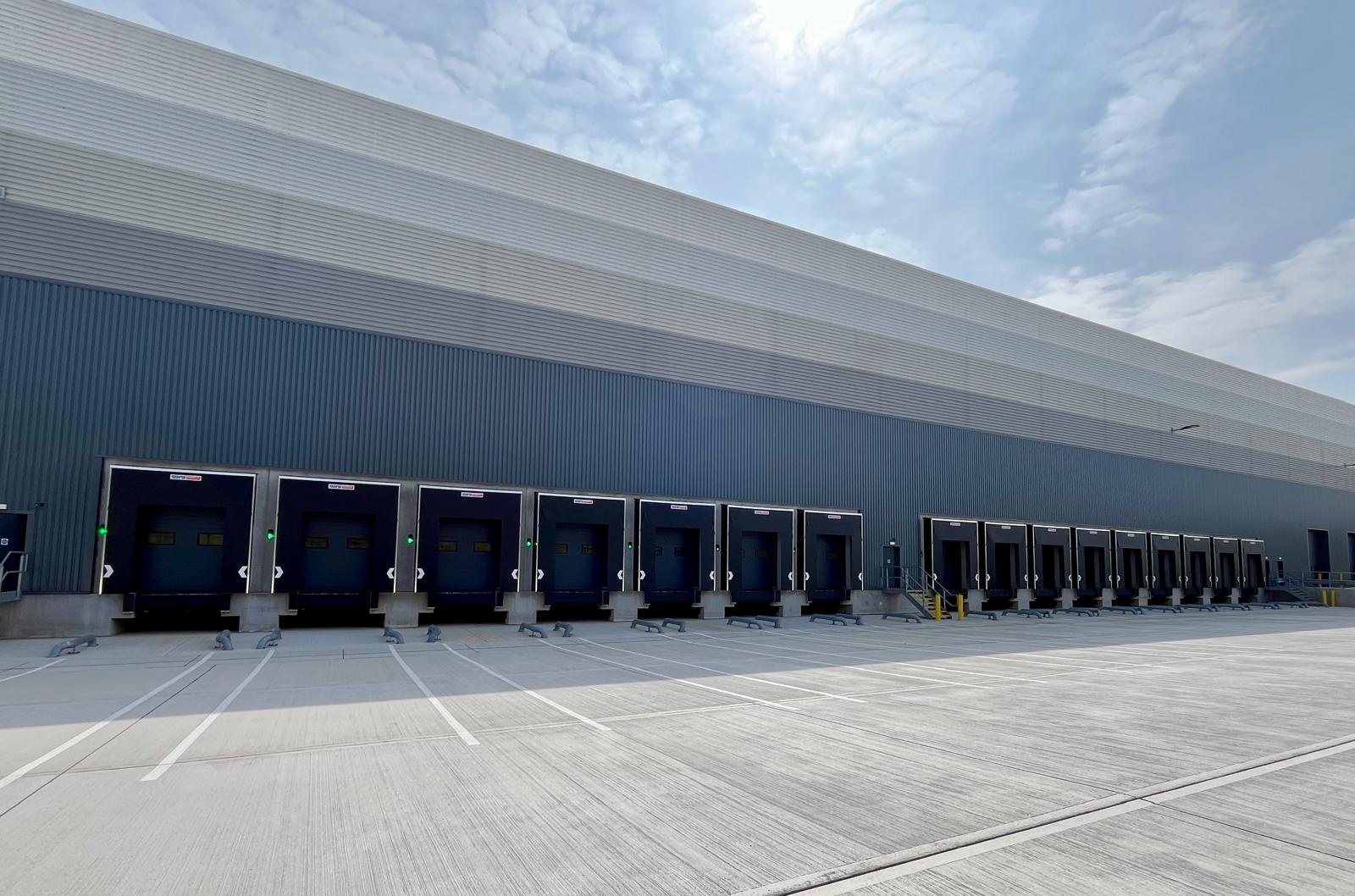
Loading bays are among the most critical operational areas within frozen food production, storage and distribution. Every day they accommodate vehicle movements, forklift operations and personnel working in close proximity, often in demanding low-temperature environments.
The dock leveller plays a vital role in ensuring goods can be loaded and unloaded safely and efficiently. Like any item of work equipment, however, it should be inspected, maintained and operated correctly throughout its service life.
This briefing provides an overview of EN 1398, the principal European standard relating to dock levellers, together with the responsibilities of operators in maintaining compliant and safe loading bay equipment.
What is EN 1398?
EN 1398 is the European standard that specifies the safety requirements for dock levellers used at loading bays.
The standard covers:
- Design and manufacture
- Safety features and performance
- Installation and commissioning
- Testing
- Operating instructions
- Maintenance and inspection information provided by the manufacturer
Its purpose is to ensure dock levellers can be operated safely throughout their intended service life when correctly installed, used and maintained.
Although EN 1398 is primarily a product standard for manufacturers, it also provides an important framework for those responsible for operating and maintaining loading bay equipment.
Operator responsibilities
Employers also have legal responsibilities under UK health and safety legislation, including the Provision and Use of Work Equipment Regulations 1998 (PUWER).
In practice, operators should ensure that loading bay equipment:
- Is suitable for its intended use.
- Is maintained in a safe working condition.
- Is inspected at appropriate intervals.
- Has defects repaired promptly.
- Is operated by trained and competent personnel.
Inspection reports, maintenance records and repair history should be retained as part of an effective asset management and compliance programme.
Planned maintenance
Planned maintenance should be viewed as more than simply reducing breakdowns.
Regular servicing provides an opportunity to confirm that safety-critical components continue to operate correctly whilst identifying wear or deterioration before it results in equipment failure or an increased safety risk.
Typical planned maintenance inspections may include:
- Structural condition.
- Hydraulic systems.
- Lip operation and alignment.
- Safety supports and locking mechanisms.
- Operating controls.
- Safety labels and warning devices.
- General condition of the installation.
Maintenance frequencies should reflect both the manufacturer’s recommendations and the intensity of equipment use. High-throughput frozen food facilities may require more frequent inspection than lower-use applications.
Frozen food operations present unique challenges
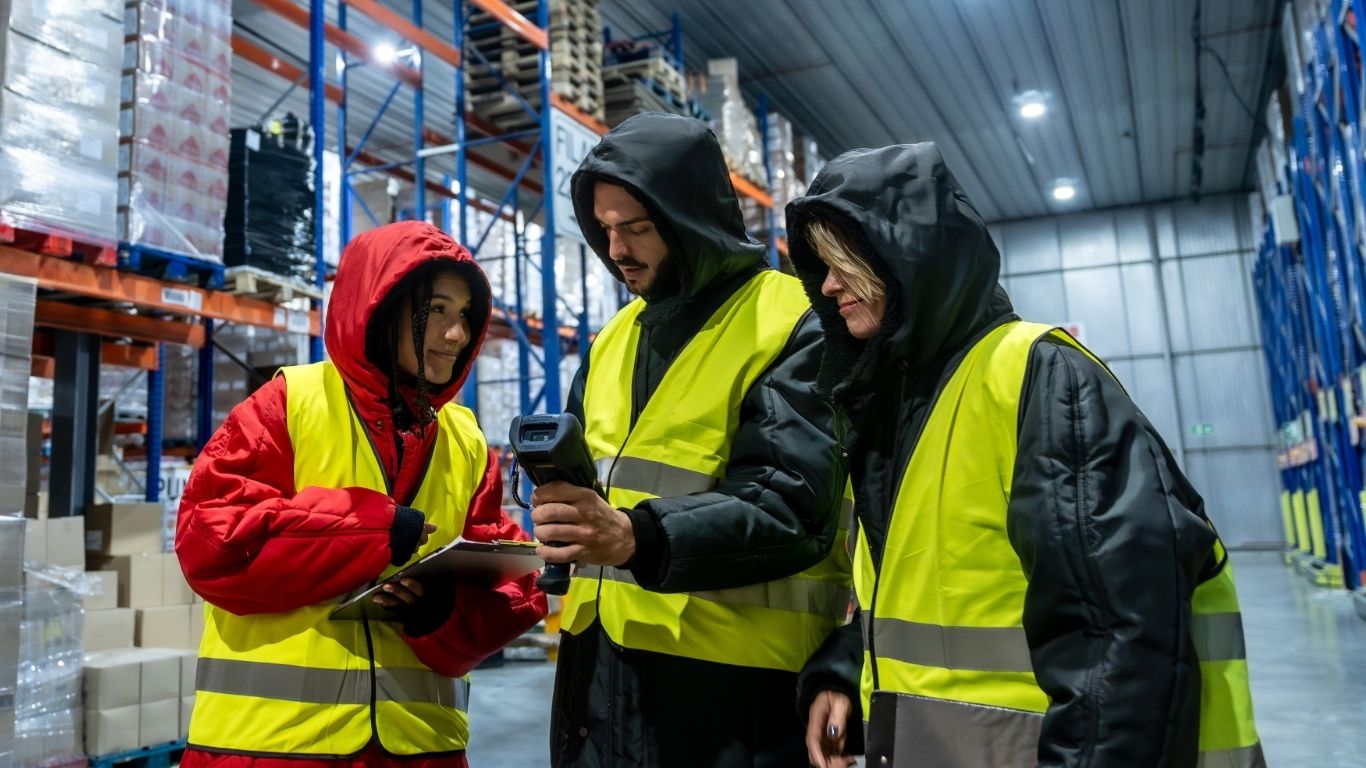
Cold storage environments place additional demands on loading bay equipment through:
- Continuous low temperatures.
- Condensation and ice formation.
- High forklift activity.
- Frequent vehicle movements.
- Moisture and corrosion.
These factors can accelerate component wear and reinforce the importance of preventative maintenance and regular inspection.
Looking ahead
EN 1398 is currently under review at European level. Whilst the final revisions have yet to be published, operators should continue to ensure that dock levellers are maintained in accordance with manufacturer recommendations and that maintenance regimes remain appropriate for the operational demands of the site.
Regular reviews of equipment condition, maintenance records and operational risk can help support compliance, reduce unplanned downtime and maximise equipment life.
Technical Note – Vehicle Restraint Systems
Whilst EN 1398 does not require the installation of Vehicle Restraint Systems (VRS), they are increasingly recognised as an important element of modern loading bay design.
By helping to prevent unintended trailer movement or premature vehicle departure during loading and unloading, VRS can significantly reduce the risk of serious loading bay incidents.
For many frozen food operators, vehicle restraint systems are now considered alongside dock levellers, industrial doors and dock shelters as part of a comprehensive loading bay risk assessment.
About Stertil UK
Stertil UK is part of the internationally recognised Stertil Group, one of the world’s leading manufacturers of loading bay equipment and heavy-duty vehicle lifting solutions.
For more than 50 years, Stertil has developed innovative solutions that improve the safety, efficiency and sustainability of loading operations. In the UK, we provide complete loading bay solutions including dock levellers, dock shelters, industrial doors, vehicle restraint systems, lifting tables and lifecycle maintenance services, supporting customers from initial design, consultation and specification through to installation, servicing and long-term asset management.
As a member of the British Frozen Food Federation, we look forward to working alongside fellow members and sharing technical guidance that supports safe, compliant and efficient loading bay operations.
This briefing is intended as general technical guidance. Operators should always refer to the manufacturer’s instructions, applicable legislation and site-specific risk assessments when determining inspection and maintenance requirements.


 + 44 (0) 1400 283090


 August 5th, 2026.





























 + 44 (0) 1400 283090