Become a member

Calling for more support for the food industry’s ‘squeezed middle’

Since lockdown measures were introduced in March, much has been reported about the devastating impact on the Hospitality and Foodservice sectors. As such, businesses operating in these areas have been offered a range of governmental support. The agricultural industry has also been offered financial help.

While the government’s swift action in support of these sectors is of course welcomed, and will prove invaluable in maintaining viable businesses, there has been a distinct lack of focus on what could be referred to as the ‘squeezed middle’.

More than 95 per cent of businesses which manufacture and supply food, or services, for the Hospitality and Foodservice sectors fall into the small and medium-sized enterprise (SME) category.

Just like our restaurants, hotels, cafes and bars, these businesses have lost their customers and are struggling to stay afloat, but are doing so without the same levels of financial aid.

Many businesses also face the prospect of being unable to recover payment for stock supplied prior to lockdown. Some report that 50 per cent of their customer base have either delayed payment or not paid outstanding invoices.

While it can be argued that the Coronavirus Business Interruption Loan Scheme (CBILS) or Bounce Back Loan Schemes (BBLS) are in place to offer support, in practice these funds are proving ineffective and difficult to get at.

Recent survey results indicate that fewer than half of food and drink manufacturers have applied for such help, mainly to avoid incurring further debt and additional interest payments beyond year one.

Worse still, of those that did apply, fewer than 50 per cent actually received funds.

In response, BFFF CEO Richard Harrow, with the support of Paul Rooke of the British Coffee Association, has lead on a policy paper produced by the Food and Drink Federation (FDF) which highlights the issue of the ‘squeezed middle’. The paper sets out a range of practical steps that need to be taken to ensure these businesses are able to play their role in a post-virus recovery.

Our recommendations:

  • Businesses supplying into the hospitality and food service market should continue to receive furlough support through the government at a rate of 80 per cent of salary contribution until those markets return to commercially viable levels.
  • Government should formalise the deferment of PAYE and NI payments until end September 2020 for businesses supplying into the hospitality and food service market, basing the final removal of that deferment on those businesses returning to a commercially viable level of operation.
  • Until the end of September 2020, HMRC should ensure that all VAT repayments are made to businesses supplying into the hospitality and food service market as they fall due, rather than being used to offset against PAYE & NI payments.
  • Government should extend the 12-month Local Authority Business Rates exemption to businesses supplying into the hospitality and food service market, using the existing legislative exemption for hardship.
  • Government should expand on how its guarantee will operate, specifically what the 1 April date relates to (e.g. order date, invoice date, payment due date) and how it will continue to work with the trade credit insurance industry to ensure cover continues to be provided by all.
  • Government should place a requirement on the trade credit insurance industry to develop best practice rules of operation which include greater transparency and formal notification of the reason(s) for refusal or withdrawal of cover.
  • Insurers should be required to reinstate reduced or withdrawn cover back dated to 1 March 2020, except where there are clear and identifiable reasons as to why this would no longer be appropriate.
  • Government should now focus on ensuring all trade credit insurers have adjusted the basis on which they provide cover to reflect the particular challenges the pandemic is placing on the ‘Squeezed Middle’, – particularly their willingness to pay vs their short-term ability to pay as a result of Government-imposed operational restrictions.
  • Government should provide more targeted support for businesses that does not incur additional business debt e.g. a relaxation of current rules for Apprenticeship Levy funds to allow businesses to maintain existing employment.
  • Government should put in place ongoing capital and tax break allowances to maintain the workforce. These could be pro-rated depending on how many staff a company is able to keep employed.
  • A moratorium should be provided to allow monies due to local or central Government to remain in businesses to aid cash flow, until the hospitality industry fully reopens.
  • Governments should create schemes for small, medium and micro businesses that provide initial cashflow injections to businesses requiring support to secure orders for materials and/or build stock in readiness for the recovery of customer demand.

For those businesses who are predominantly supplying into the wider hospitality and foodservice, government urgently needs to ensure they are supported using similar mechanisms to those in place for other badly affected parts of the economy.

Without this support, the foodservice and hospitality cannot hope for a meaningful recovery post-coronavirus.

Farm Frites publishes annual sustainability report

ENERGY CONSUMPTION, CARBON EMISSIONS AND WATER CONSUMPTION ON DOWNWARD TREND IN FARM FRITES’ LATEST SUSTAINABILITY REPORT

Farm Frites has published its annual sustainability report, covering the global production locations in the Netherlands, Belgium, Poland and Egypt and its sales organisations across the world.

Now in its fourth year, the Farm Frites Sustainability report tracks the company’s ambitious efforts to be recognised as an industry trailblazer by 2030.

This year’s figures reveal that the manufacturer’s KPIs are on track with a 4.6% reduction of natural gas and electricity consumption, 5% less carbon emissions per tonne of product and a reduction of water consumption by 8.7%.

CFO of the company, Mr. Muilenburg comments: “Sustainability at Farm Frites has always been on our radar as we live from the land. This means we need to take good care of it and the environment. We always understood the need to take responsibility for the impact that our business operations have on our surroundings. We are continuously researching, investing and partnering to become more sustainable.”

A new packaging strategy with ongoing goals was set in 2019 and a focus on sustainable farming through traceable and FSA certified potatoes was revealed. Farm Frites also signed the Science-Based Targets Commitment letter, which will align its carbon reduction plans to do what is necessary to combat climate change.

Farm Frites’ ambitions for the coming decade focus on the further reduction of energy consumption by 10% per tonne, increased share of renewable energy to 30% and reduction of carbon emissions per tonne product by 50%.

Mr. Muilenburg continues: “Each year the impact of climate change becomes more apparent. By 2030, Farm Frites wants to be recognised as the accelerator of sustainability in the potato chain, from farm to fork, by collaborations with farmers, customers and other stakeholders. We need to stay focused on the future, be ahead with developments and drive change where we can. This is a call on all of us, especially in these challenging times.”

View the full report online at sustainabilityreport2019.farmfrites.com

Contact us on  01452 415845, visit www.farmfrites.com or email supportuk@farmfrites.com

Food waste recycler Andigestion achieves prestigious ADCS certification

Food waste recycler Andigestion achieves prestigious ADCS certification

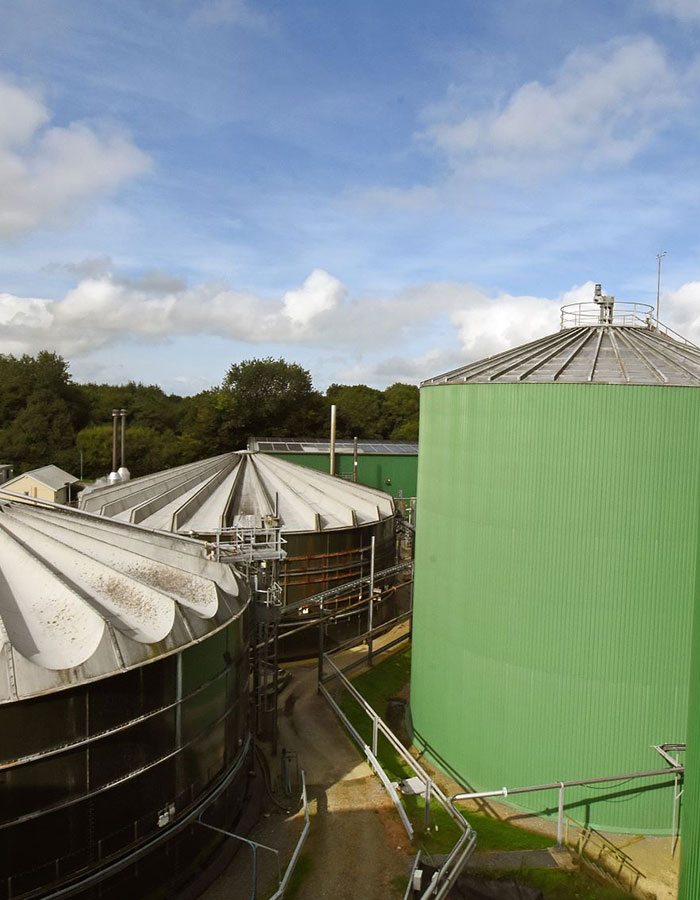
Food waste recycler Andigestion’s Holsworthy site in Devon has become only the third plant in the UK to achieve certification under a new scheme which recognises good operational, environmental and health & safety performance.

Holsworthy recycles up to 76,000 tonnes of the south west’s household and commercial food waste each year and through its anaerobic digestion (AD) process, produces 70MWh of clean, green and eco-friendly electricity per day – enough to power 6,000 homes.  The by-product of the process – a mineral-rich, liquid biofertiliser – is used by local farmers as a sustainable alternative to carbon-intensive chemical fertilisers.

The plant, near Bude, has now been certified under the Anaerobic Digestion Certification Scheme (ADCS), an industry-led initiative designed to raise standards and recognise good practice in the running of AD plants. The scheme provides an independent audit process and report that help operators to ensure they are meeting required standards and identify areas for improvement. It is managed by the Anaerobic Digestion and Bioresources Association (ADBA), the UK’s trade body for AD.

Andigestion has always been ahead of the curve in terms of innovation and processes, and the main driver for applying for ADCS certification is our wish to maintain continual improvement,” commented Tom Brown, Compliance Officer at Andigestion.  “Certification goes some way to demonstrating that we are on top of things while the compliance system ensures that any changes to the way we operate are made the right way.”

And Mike Lowe, Operations Director at Andigestion added:  “Naturally we’re delighted to be one of just three plants in the whole of the UK to be awarded this certification and I am extremely proud of our on-site compliance team and all members of staff whose high standards of management and professionalism enable us to deliver safe and sustainable practices each and every day.”

Sam Hinton, Technical Support Manager at ADBA said: “We congratulate Andigestion for achieving the ADCS certification, which demonstrates their commitment to operational excellence. They will reap obvious benefits from the recognition – not only improved performance and productivity, whilst adhering to high environmental, health and safety standards, but also confidence from their employees, customers, regulators, insurance companies and neighbours. We’re also delighted that, as the first plant to achieve ADCS certification in 2020, they lead the way in showing other operators how to conduct business during these uncertain times.”

In addition to its Holsworthy site, Andigestion also operates the Bishops Cleeve AD plant near Cheltenham, Gloucestershire, which recycles up to 34,000 tonnes of food waste a year and which will also be assessed for ADCS certification.  Through the production of biomethane gas which is fed into the national grid, Bishops Cleeve contributes enough energy for around 10,000 homes a year.

For more information about the ADBA AD Certification Scheme, contact:
Jocelyne Bia on 07910 878510, or email: Jocelyne.bia@adbioresources.org

Joint venture evolves into a global partnership

Joint venture evolves into a global partnership for bulk packaging in the grain and food markets

 
Swiss Bühler Group and Premier Tech from Canada are now taking their strategic cooperation two steps further. What started with a close collaboration in August 2019, evolved into a Joint Venture in China and ultimately grew to a global partnership for bulk packaging.
 
Johannes Wick, CEO Grains & Food at Bühler Group, in the virtual studio of Bühler Virtual World

This new global partnership will allow Bühler to access Premier Tech’s leading technologies in bagging and palletizing either through the newly created PT-Bühler joint venture in China, serving the world with cost-effective packaging, or directly through Premier Tech’s facilities for the high-end food feed and grain markets worldwide.


“The global partnership will serve customers worldwide by building on Premier Tech’s recognized know-how in the field of automated packaging technologies while making full use of Bühler’s strong international sales and service network,” says André Noreau, CEO of Premier Tech’s Systems and Automation business. Premier Tech and Bühler are bringing their cooperation to new heights by offering adapted state-of-the-art packaging solutions around the globe.


Bühler will continue to service its existing installed base and will also focus on sales and service through its global customer service focus and total plant-solution expertise so that customers can rely on timely, qualified support throughout the life cycle of the product.


PT-Bühler – Joint Venture covering needs in China and markets interested in cost-effective automation

After entering their strategic cooperation last year, Bühler and Premier Tech have worked closely together in the interest of forming a 50/50 joint venture in China that will officially start on July 1, 2020. The aim of the joint venture is to develop and market new cost-effective packaging solutions based on Premier Tech’s bagging expertise. Operating in Wuxi, China, PT-Bühler will focus on serving the food and feed markets in China, and other markets moving towards cost-effective automation.


“Customers will benefit from significantly more efficient, and even more accurate and food safe packaging solutions thanks to automation technologies developed by PT-Bühler,” says Johannes Wick, CEO of Bühler’s Grains & Food business. Attracting talents from both companies, PT-Bühler will benefit from Bühler’s know-how of high-quality manufacturing and supply chain management in China as well as its digital solutions, whereas Premier Tech contributes with its superior packaging expertise and technological leadership in this field. Both Bühler and Premier Tech will offer the joint venture’s solutions in their respective markets, with Bühler focusing on turnkey plants, and Premier Tech on standalone solutions. Both partners are committed to work together in order to make for the best customer experiences while fully addressing their needs and complement each other in all cases where Bühler and Premier Tech will both be involved in any specific projects.

Brakes hits 27% reduction in carbon emissions

Brakes hits 27% reduction in carbon emissions

Led by a cool saving of 75 tonnes of carbon emissions with new fridges

Brakes, the UK’s leading foodservice wholesaler, has announced another milestone in its goal to reduce carbon emissions by 30% by 2025*.  The company revealed its latest figures showing emissions dropped by a further 3% in 2019 to 27%.


The savings were due to a combination of reductions in fuel consumption, reduction of use of gas for boilers and heating and more efficient lighting.  However, the biggest impact has been the roll out of a new refrigeration system across its network following a successful transition to natural refrigerants in fridges in its Thetford depot.


The move follows data showing that changing to natural refrigerants in fridges has saved more than 75 tonnes of carbon in its first year of operation, prompting Brakes to install identical systems at Bodelwyddan and Thorpe depots.


Ian Hunt, Brakes’ Director of Engineering and Environment, said: “The new equipment has worked brilliantly to reduce our carbon usage and we’ve been able to save around 75 tonnes of carbon – which is the equivalent of an average car driving 24,000 miles around the world 13 times.”


Brakes has long-since used natural refrigerants in its larger distribution centres, but until recently it has not been technically possible to scale such solutions down for smaller regional operations


Ian Hunt continued: “As the first wholesaler committed to rolling out more environmentally sustainable refrigeration across its entire network, we’ve seen the new system deliver not only better environmental performance, but we are also seeing other benefits such as a 25% reduction in the energy consumed at the depots.


“We’ve achieved our 2020 target of 20% absolute carbon reduction, in fact already hitting 27% reduction by end of 2019.  And we believe that initiatives such as our refrigeration strategy mean that we are well on our way to hitting our revised target of a 30% reduction by 2025.”


Daniel Clark from isentra, which supplied the fridges, said: “As well as the obvious carbon benefits,

we have seen refrigeration electricity usage down by almost half and the Global Warming Potential of the refrigerant has reduced to almost zero.  The newer technology also allows Brakes to benefit from the other upsides of this sustainable refrigeration technology, such as harnessing low outdoor ambient temperatures and benefiting from a ‘free cooling’ effect.”


-ends-

*against a 2010 benchmark

For further information please contact Kevin Coles on 07776026012 – kevin@fifthdimenionpr.com

Open letter to the Rt Hon George Eustice demanding a ban on oxodegradable plastics.

The Anaerobic Digestion and Bioresources Association (ADBA) joins seven other associations in signing an open letter to the Rt Hon George Eustice demanding a ban on oxodegradable plastics.

Read the open letter

Other signatories are:


Member Benefits

Exclusive Partnership deals on key products and services:

  • BFFF energy deals and rates
  • Vypr member deals and introduction
  • Defib Plus deals
  • Company Shop – membership
  • Mentor – MHE training health check

Exclusive access to networking opportunities and events:

  • Meet the Buyer events (retail & foodservice)
  • Annual Business Conference with networking dinner
  • Specialist H&S and Technical Conferences
  • Special interest groups (packaging, frozen food temperatures)
  • Annual Lunch
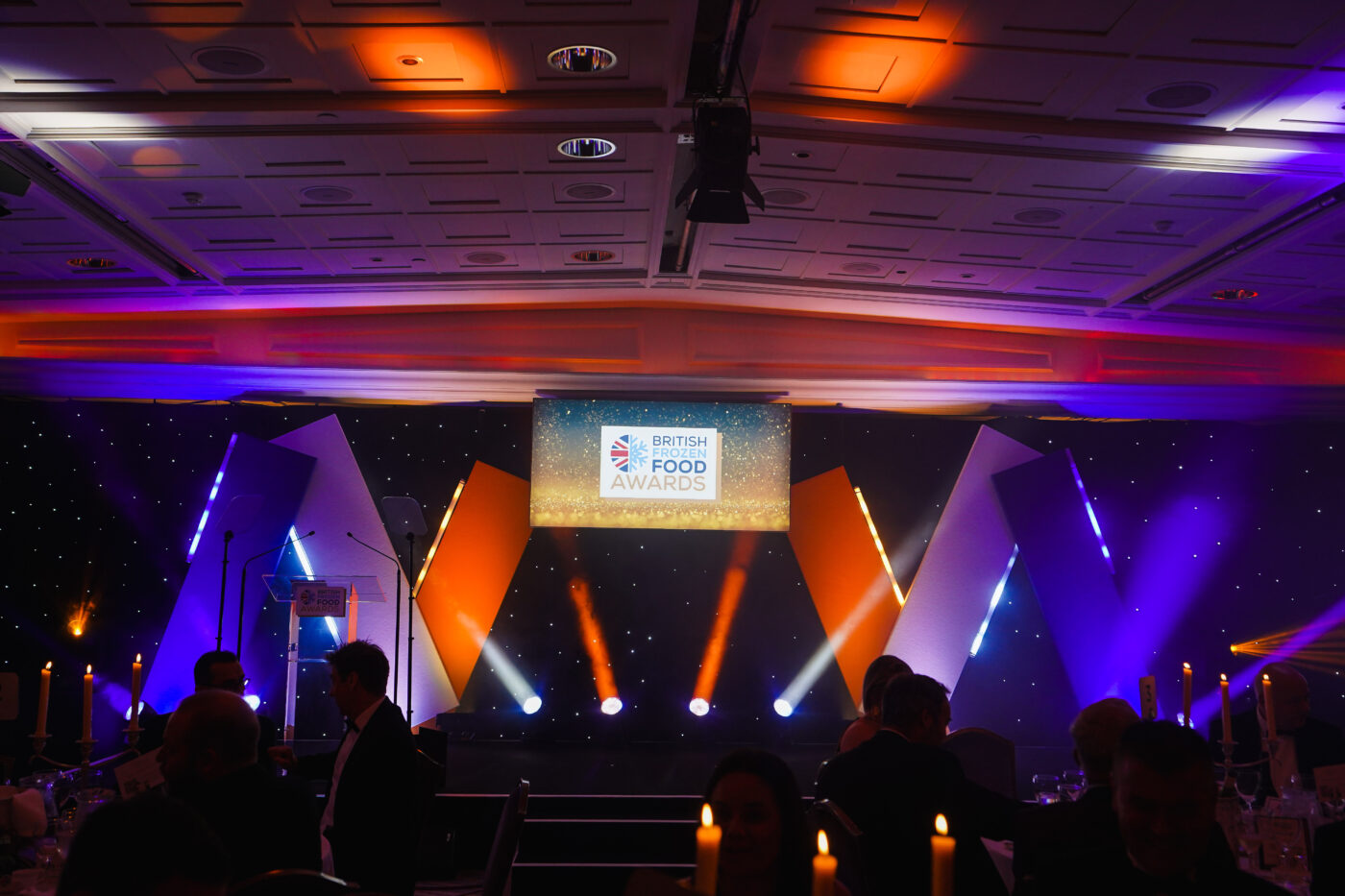
  • Awards Night
Upcoming Events More Events
Sponsorship Packages

We offer a range of sponsorship opportunities to BFFF members across our events throughout the year, with flexible packages that can be tailored to suit your business objectives.

Contact Us
British Frozen Food Federation Members Logo
what our members say...
  • Wakefield Council

    “What an amazing piece of work and indicative of how BFFF respond to the concerns of their members and make an impact on the whole industry sector.”

    See Full Quote

  • Sysco

    “You guys really ‘Do The Right Thing’ for the good of the industry”

    See Full Quote

  • Darta

    “The BFFF awards night is becoming an “appointment not to miss” on our calendar and we again enjoyed it immensely together with lots of well-known people from our industry. The…

    See Full Quote

  • Kantar Worldpanel

    “The Business Conference was an excellent day that was very well organised and allowed so many likeminded individuals in the room to learn so much more around the Frozen industry….

    See Full Quote

  • Lakeside Food Group Ltd

    “This Not For EU labelling situation alarmed us and quickly became a major worry to our business. These are times when you really rely on some support and from previous…

    See Full Quote

  • Meadow Vale Foods Limited

    “We had a few questions with respect to the new EPR waste packaging legislative changes. I know some of my colleagues have been assisted by BFFF in the past so…

    See Full Quote

  • Newberry International Produce Ltd

    “I am writing to express my heartfelt gratitude for the outstanding event you organised. I have only worked in this sector for the past nineteen months coming from twenty-five years…

    See Full Quote

  • Place UK Ltd

    “The BFFF 2024 Conference was compelling and thought provoking, with a many relevant and interesting topics covered at great pace and some depth by excellent speakers – will certainly attend…

    See Full Quote

  • Roswel Spedition GMBH

    “Thank you and the team for rushing around so brilliantly before, during and after the conference. It was pleasure to be part of the conference.”

    See Full Quote

  • Seara

    “The event was great, in my opinion. Not only it was very well organised, but the venue and the catering were excellent too. Furthermore, the content of the presentations was…

    See Full Quote

Website Designed & Built by we are CODA