Become a member

1ST JAN ARE YOU READY? – REGISTER NOW FOR FREE WEBINAR!

In collaboration with the Short Straits User Forum, this webinar highlights the changes in regulations for imports from the EU from next year, and what needs to be put in place to cope with GVMS registrations, stricter preference rules and mandatory pre-notification requirements for POAO and HRFNAO.

Officials from the Cabinet Office, HMRC and from Ashford Port Health will clarify the process for EU origin goods between January and July 2022, including a wrap up on FAQ’s such as:

  • How frequently can we expect POAO loads to be inspected in the first 6 months of next year?
  • What volumes are you preparing for?
  • How will drivers know if they are to report to the BCP?
  • What will the process be like upon arrival at the BCP?

This will be followed by a 20-minute Q&A session. You are encouraged to submit your questions in advance.

Joining the Q&A will be:

  • Charles Hogg, Commercial Director, Unsworth
  • Antons, Head of Customs Solutions, Unsworth
  • Anthony Baldock, Head of Port Health, Ashford Port Health
  • Heather Jones, Deputy Director, EU Member States Technical & Operational Policy | Border Readiness Director, Border and Protocol Delivery Group

The webinar will be taking place on Wed, Dec 15, 2021 10:00 AM – 11:00 AM GMT and you can register here


Minimise Risk to Workers During the Festive Season

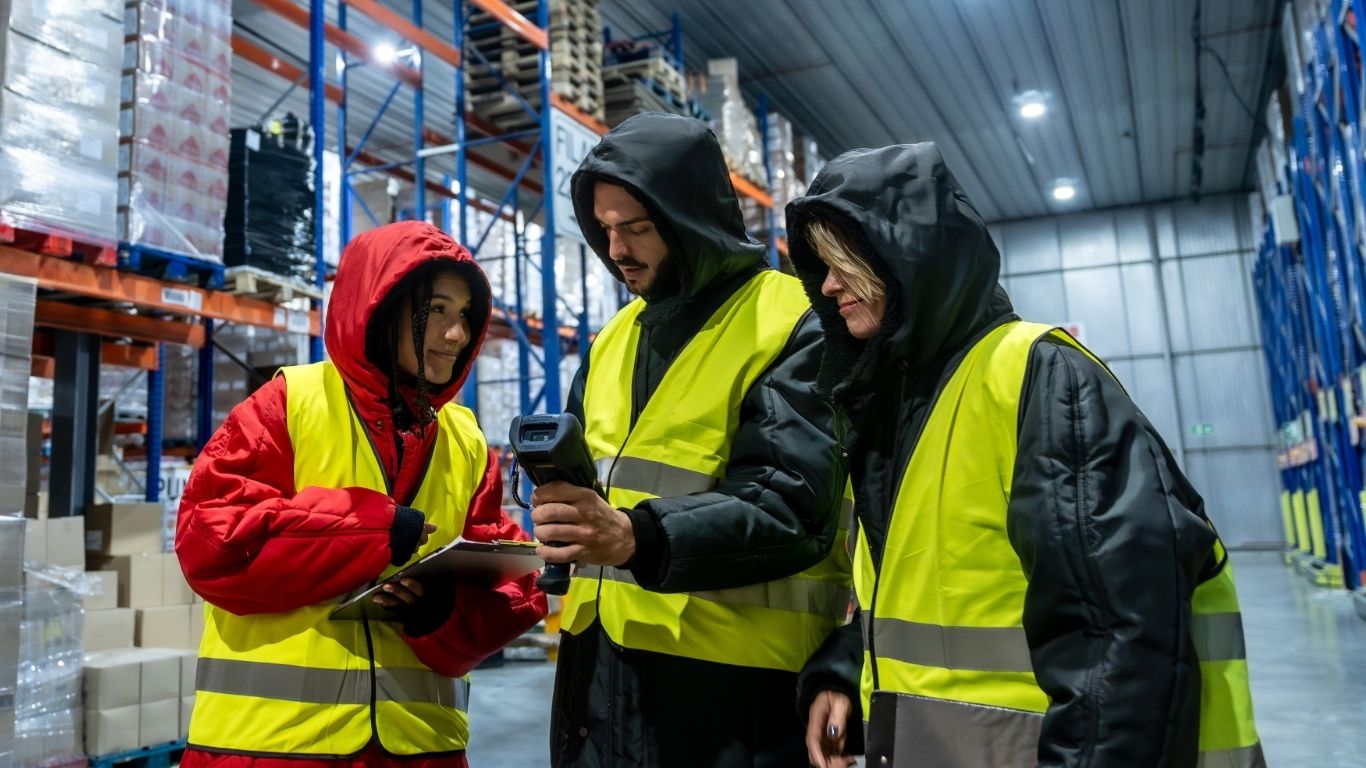
Christmas is nearly upon us and it can be a most demanding time for those working throughout the festive season.
The run-up to Christmas is especially busy for those who work in haulage and distribution.

From people lifting heavy parcels around warehouses to delivery drivers moving products across the country, workers in this industry are vulnerable to the risk of injury from hazardous manual handling.

HSE have produced a step-by-step guide to manual handling at work to help you to minimise these risks.

There is also advice for users and suppliers of agency/temporary workers, as many of these are specifically employed for the festive period.

DRAFT BRCGS FOOD SAFETY ISSUE 9 NOW OPEN FOR COMMENTS

Over the last few months, BRC have been reviewing and revising the Global Standard for Food Safety.

To put into context how widely recognised this standard is, it is now used by 30,000 sites in 130 countries and accepted by 70% of the top 10 global retailers, 60% of the top 10 quick-service restaurants, and 50% of the top 25 manufacturers.

Comments have been gathered from national and international stakeholders representing food manufacturers, Regulators, retailers, food service companies, brand owners, certification bodies and independent technical experts. This has allowed a working group to produce a draft standard which is now open for public comment.

The review of the standard aims to ensure that it reflects the very latest industry trends and operations, practical experiences, and best practices from the industry. It also allows the changing expectations, regulatory requirements and consumer needs to be taken into consideration.

You can download the draft standard here Download Draft Standard

Along with a comment template here Download Comments Template

Stakeholders are encouraged to consider the draft and provide feedback on both the proposed requirements and the audit protocol, by email, to enquiries@brcgs.com  using the comments template provided.

The closing date for submission of feedback is 12th January 2022.

As with all revisions of the Global Standards, there must be a transition period between consultation, publication of the complete, finalised Standard and full implementation of the Standard. Therefore:

Issue 9 will be published in August 2022

Certification against Issue 9 will commence in audits from 1 February 2023

THE USE OF PLASTIC IN FARMING IS THREATENING FOOD SAFETY

According to a report from the UN’s Food and Agriculture Organisation (FAO), the way in which plastic is used in farming across the world is threatening food safety and potentially human health.

The soil contains more microplastic pollution than the oceans and therefore we need to better manage the millions of tonnes of plastics used in the food and farming system each year. Microplastics are formed as larger plastics are broken down, which are then consumed by people and wildlife, some of which contain toxic additives and may carry pathogens. It is also known that some marine animals are harmed by eating plastics, but little is known about the impact on land animals or people.

There are several benefits to using plastic in the farming industry, from bale wrap to irrigation and even tree guards, but the FAO said the use of plastics had become pervasive and that most were currently single-use and were buried, burned or lost after use.

“Despite the many benefits, agricultural plastics also pose a serious risk of pollution and harm to human and ecosystem health when they are damaged, degraded or discarded in the environment,” the report says.

The FAO report, which was reviewed by external experts, estimates 12.5m tonnes of plastic products were used in plant and animal production in 2019, and a further 37.3m in food packaging.

“The report serves as a loud call for decisive action to curb the disastrous use of plastics across the agricultural sectors,” said Maria Helena Semedo, deputy director general at the FAO.

“Soils are one of the main receptors of agricultural plastics and are known to contain larger quantities of microplastics than oceans,” she said. “Microplastics can accumulate in food chains, threatening food security, food safety and potentially human health.”

Microplastic pollution is a global issue, and global soils are the sourse of all life on land. In December 2020, the FAO warned that their future looked bleak without action to halt degradation.

There is limited data on the use of plastic. but Asia was estimated to be the largest user, accounting for about half of global usage. The global demand for major products such as greenhouse, mulching and silage films is also expected to rise by 50% by 2030.

Prof Jonathan Leake, at the University of Sheffield in the UK and a panel member of the UK Sustainable Soils Alliance, said: “Plastic pollution of agricultural soils is a pervasive, persistent problem that threatens soil health throughout much of the world.”

He said the impact of plastic was poorly understood, although adverse effects had been seen on earthworms, which played a crucial role in keeping soils and crops healthy.

“We are currently adding large amounts of these unnatural materials into agricultural soils without understanding their long-term effects,” he said. “In the UK the problems are especially serious because of our applications of large amounts of plastic-contaminated sewage sludges and composts. We need to remove the plastics [from these] before they are added to land, as it is impossible to remove them afterwards.”

As a solution, the FAO report cites “the 6R model” – refuse, redesign, reduce, reuse, recycle, and recover. This means adopting farming practices that avoid plastic use, substituting plastic products with natural or biodegradable alternatives, promoting reusable plastic products and improving plastic waste management.


PLACE PLANT-BASED SOUTHERN FRIED GOUJONS FIRMLY ON THE MENU

Now everyone can savour the great southern fried taste with the new Harvest Farms Plant-based Southern Fried Goujons from Creative Foods.

The vegan-friendly, chicken-free goujons are made from fully cooked, pre-fried, textured vegetable protein, coated in a light and crisp southern fried-style breadcrumb.

The Plant-based Southern Fried Goujons are great for a variety of meal occasions from starters and sides to sharing platters and main courses, for both adults and kids alike. And not only are they ideal for dipping they also work well as plated meals and meals on the move!

The versatile goujons will appeal to non-meat eaters, but also to the increasing number of people who are cutting down on their meat consumption. A recent survey by The Vegan Society and BOSH! saw 37% of Brits saying that they have actively reduced or removed animal products from their diet in the last five years. Taking this into consideration, it comes as no surprise that vegan and vegetarian has become a major driver when it comes to NPD in both the foodservice and retail sectors.

Promising all the flavours of the Deep South, the 50g Plant-based Southern Fried Goujons come conveniently frozen in 1kg bags which contain 20 pieces. There are 5 x 1kg bags to a case. For more information, or for details of other products in the Creative Foods range please visit www.creativefoods.co.uk.


CARGILL BECOMES FIRST GLOBAL SUPPLIER TO COMMIT ENTIRE EDIBLE OILS PORTFOLIO TO WORLD HEALTH ORGANIZATION’S BEST PRACTICE ON INDUSTRIALLY PRODUCED TRANS-FATTY ACIDS (ITFAS)

As food manufacturers seek ways to help improve consumer diets, Cargill is supporting our customers by committing to remove iTFAs from its entire global edible oils portfolio. This helps both Cargill and its customers comply with the World Health Organization’s (WHO) recommended standard of a maximum two grams of industrially produced trans-fatty acids (iTFA) per 100 grams fats/oils by the end of 2023.

The WHO’s REPLACE initiative provides a guide for governments and industry to implement a best practice on iTFA in the global food supply chain to address related health concerns. Cargill is the first edible oils supplier to make this commitment, joining many of the world’s largest food companies and members of the International Food and Beverage Alliance (IFBA) who have committed to the WHO goal.

“We are thrilled to see Cargill’s commitment to reduce iTFAs in all of their oils, in service of the World Health Organization’s goal to phase iTFAs out of the food supply,” said René Lammers, Executive Vice President and Chief Science Officer, PepsiCo. “This move aligns with PepsiCo’s efforts to reduce iTFAs in our foods and is a crucial part of our pep+ (PepsiCo Positive) journey to evolve our food and beverage portfolio to be better for the planet and people. Cargill is an important part of our supply chain and we look forward to working together to continue to accelerate progress toward our iTFA goals.”

Over the last 25 years, Cargill has removed an estimated one billion pounds (nearly 500,000 metric tons) of iTFAs from the global food supply, resulting in approximately 89% of its global edible oils portfolio already meeting the WHO’s iTFA best practice. With this commitment, the company will now achieve 100% compliance, including in countries where there currently is no legislative mandate. To achieve this final 11%, the company is significantly investing in upgrades at several facilities to reduce the amount of iTFAs produced during the oil manufacturing process and leveraging decades of innovation expertise to provide food customers alternative formulations that will help them meet the WHO best practice.

“Even as the world continues to battle the COVID-19 pandemic, we know that worldwide, improving nutrition remains a top concern,” said David Webster, leader of Cargill’s food ingredients and bioindustrial enterprise and chief risk officer. “This commitment aligns with our purpose to nourish the world in a safe, responsible and sustainable way and gives us the opportunity as a collective industry to remove iTFAs from the global food supply no matter where food is manufactured or consumed. We know this effort will take time, and we are eager to work with customers as they take this important step.”

Innovation makes the reduction of iTFAs possible
This commitment from Cargill builds on decades of innovation to address iTFAs, which are primarily formed through the partial hydrogenation of vegetable oils (PHO), but also can result from high thermal treatment during the refining process. While iTFA regulations are in place in approximately 40 countries, either through PHO bans or limits to maximum amounts of iTFAs in food, they remain a health concern in many locations.

Cargill’s innovation centers have made significant advancements toward reformulating alternatives to products that contain iTFAs, offering more than 300 global customers viable and safer solutions to date. These innovations demonstrate that it is not only feasible to meet the WHO best practice on iTFAs, but it can be done without discernably changing the taste or texture of consumers’ favorite foods.

“We’re proud to be part of this effort to share and apply our expertise to help food manufacturers of all sizes, across all geographies to remove iTFAs,” said Jennifer Shomenta, president of Cargill’s global edible oils business.

To support the WHO’s efforts, Cargill will also support the industry through engagement with targeted regional and national stakeholders, such as governments and oil industry federations, to support industry-wide reformulations particularly in countries where legislation is not yet in place.

Member Benefits

Exclusive Partnership deals on key products and services:

  • BFFF energy deals and rates
  • Vypr member deals and introduction
  • Defib Plus deals
  • Company Shop – membership
  • Mentor – MHE training health check

Exclusive access to networking opportunities and events:

  • Meet the Buyer events (retail & foodservice)
  • Annual Business Conference with networking dinner
  • Specialist H&S and Technical Conferences
  • Special interest groups (packaging, frozen food temperatures)
  • Annual Lunch
  • Awards Night
Upcoming Events More Events
Sponsorship Packages

We offer a range of sponsorship opportunities to BFFF members across our events throughout the year, with flexible packages that can be tailored to suit your business objectives.

Contact Us
British Frozen Food Federation Members Logo
what our members say...
  • Wakefield Council

    “What an amazing piece of work and indicative of how BFFF respond to the concerns of their members and make an impact on the whole industry sector.”

    See Full Quote

  • Sysco

    “You guys really ‘Do The Right Thing’ for the good of the industry”

    See Full Quote

  • Darta

    “The BFFF awards night is becoming an “appointment not to miss” on our calendar and we again enjoyed it immensely together with lots of well-known people from our industry. The…

    See Full Quote

  • Kantar Worldpanel

    “The Business Conference was an excellent day that was very well organised and allowed so many likeminded individuals in the room to learn so much more around the Frozen industry….

    See Full Quote

  • Lakeside Food Group Ltd

    “This Not For EU labelling situation alarmed us and quickly became a major worry to our business. These are times when you really rely on some support and from previous…

    See Full Quote

  • Meadow Vale Foods Limited

    “We had a few questions with respect to the new EPR waste packaging legislative changes. I know some of my colleagues have been assisted by BFFF in the past so…

    See Full Quote

  • Newberry International Produce Ltd

    “I am writing to express my heartfelt gratitude for the outstanding event you organised. I have only worked in this sector for the past nineteen months coming from twenty-five years…

    See Full Quote

  • Place UK Ltd

    “The BFFF 2024 Conference was compelling and thought provoking, with a many relevant and interesting topics covered at great pace and some depth by excellent speakers – will certainly attend…

    See Full Quote

  • Roswel Spedition GMBH

    “Thank you and the team for rushing around so brilliantly before, during and after the conference. It was pleasure to be part of the conference.”

    See Full Quote

  • Seara

    “The event was great, in my opinion. Not only it was very well organised, but the venue and the catering were excellent too. Furthermore, the content of the presentations was…

    See Full Quote

Website Designed & Built by we are CODA