Become a member

ARE YOU PREPARED FOR A CYBERCRIME ATTACK?

Whilst the majority of businesses invest in trying to prevent cybercrime – would they really be ready if their business became a victim of a Cybercrime?

Ransomeware attacks are one such threat where criminals have the ability to encrypt or steal data from a company’s system with a resulting message to delete or publish the data unless a ransom is paid.

There are several reasons why a business would not want data leaked into the public domain – in the food industry its often secret recipes, ingredients or methods – that could damage the company’s future should they be revealed.

It is also worth noting that both UK and EU business have a responsibility for safeguarding personal data under GDPR (General Data Protection Regulation. So this could not only result in damage to the company reputation but also the possiblity of hefty fines being incurred.

What would you do?

  • Should you try to retrieve the data? Sadly, this would probably prove to be impossible.
  • Choose to pay the ransom? This could well end up with you paying a terrorist or organised crime. Often the criminals ask for ‘Bitcoin’ ransoms and although this has become more mainstream it doesn’t have the same regulatory controls as ‘actual’ money and offers a level of anonymity for the criminal potentially resulting in companies falling foul of local legislation. However, it is of note that in 2019 the High Court did hold that cryptocurrencies constituted ‘property’ under English Law and is paving the way for granting an interim injuction over such ransoms.
  • Whilst another question that must be addressed, if considering payment, has to be: “Does my cyber insurance cover the business or would it be in breach?”
  • Finally, it’s worth remembering that even if the ransom is paid there’s no guarantee that the threat will be removed and that the attacker won’t ask for more money.

The first priority for any business must be:

  • Stop the ‘attack’ happening in the first place. This means training employees to spot a ‘potential threat’ and giving them the confidence of taking action and not being fearful of repercussions after.

Should an attack take place and all technical support avenues have failed:

  • Then the next move must be ‘damage limitation’ eg should a fraudulent payment have been made then legal remedies can freeze accounts, trace money and even recover the loss.
  • As regards the risk of leaked or confidential information then the UK courts may be able to assist. There is an Interim Order , also known as a Non-Disclosure Order, which can be taken to the High Court to prevent the disclosure of data which includes ‘persons unknown’ i.e the cybercrime attacker. In order to qualify for this court order there must be requisite grounds for a claim of ‘break of confidence’ i.e.:


  • the data must not already be in the public domain
  • the information must have been given under circumstances that import an obligation of ‘confidence’
  • there has to be an unauthorised use of information to the detriment of the party communicating it.

The true power of the Non-Disclosure Order lies in its ‘indirect effect’ meaning that it prevents the publication of the stolen data by any third parties that are in possession of it.

Sadly, in some instances the litigation itself can cause damage to the a firm’s reputation and especially in the food industry should food integrity be brought into question and subsequently damage a brand.

Whilst there is still a long way to go – the law is heading in the right direction.
PLANT-BASED FISH AND SEAFOOOD PRODUCTS SET TO BE THE NEXT BIG THING

The next dynamic growth area in the ‘Alternative Protein’ area is expected to be in plant-based seafood and fish products. The industry has seen a significant increase in investment in this area as the market has started to expand.

Consumers are encountering the same concerns, relating to the Fish and Shellfish industry, as they do about the Meat industry. They are concerned about the environment with overfishing, marine pollution and the impact on biodiversity.

There is also increasing concern about the health implications of microplastic contamination being found in fish and crustaceans. Not to mention growing levels of mercury being found in some sealife.

This is great timing for this area of the industry, where there is rising demand globally and subsequently price rises too, for them to benefit from providing a more sustainable, healthier and more competively priced alternative fish option.

The real issue for manufacturers preparing to head down this route is the challenges of making these plant-based seafood and fish products not only a regular part of the consumers’ diet but also to look, feel and taste right. Basically if it doesn’t taste right the consumer is unlikely to buy again.

The four key areas for flavour development have to be:

  1. Building the taste and body of the basic fish flavour.
  2. Masking any ‘off notes’ caused by the protein base i.e. texturised vegetables, soy or bean proteins.
  3. Creating a flavour profile for an authentic taste to reflect specific species.
  4. Finally, adding culinary cooking eg smoked, grilled, boiled, canned, raw.

Another area to bear in mind is that these fish and seafood plant-based substitutes lend themselves well to pre-prepared dishes. This will give an opportunity to expand global flavours and spice blends from cuisines around the world.

Asian inspired meals are particularly popular at the moment such as red or green curry, teriyaki, soy sauce, sweet & sour as well as chipotle, jalapeno – the South American-inspirations.

Soy tends to be first choice for manufacturers with its high protein content – it is also an allergen. An alternative is Pea which is popular and allergen-free – particularly good for high-quality products. Whilst Soy or Pea tend to the primary base for mixes other popular proteins that can be used include oats, chickpea, lentils, fava and navy beans, sunflower and flaxseed.

Shellfish substitutes can be algae, starches such as konjac power or seaweed. These mimic the texture of shrimp and can be applied to lobster, crab, calamari or prawn alternatives. The main problem with these bases is their low protein level so additional protein needs to be added to boost nutritional content.

To achieve the right feel for the ‘mouth’ – gels, starches and protein isolates can be mixed with the protein base but this will need the knowledge of a food scientist with lots of hands-on experience to achieve the correct ‘feel’ for the seafish alternative.

The next stage must be to make the food look visually appealing by adding colour solutions eg whiten the base mixture for white fish, orange to create pink/red colours for salmon/crustaceans. A challenge will be to achieve the change from red to brown of Tuna during cooking. Keeping in mind the environment, consumers will expect and drive the use of natural, vegetarian and vegan colourings.

So as this exciting area of fish alternatives grows, research will also keep pace with development of cell culture and lab-grown products. The challenge to achieve texture of whole muscle products for fish alternatives is even greater than that faced by those creating meat substitutes.

DATA DRIVEN SENSING FOR THE FOOD AND DRINK SECTOR

Nik is an Associate Professor of Chemical Engineering. He has a PhD in engineering and spent four years as a researcher in the School of Food Science and Nutrition at the University of Leeds before joining Nottingham in 2014.

Nik’s research is focussed on digital manufacturing within the food and drink sector and his team develops intelligent sensor technologies to tackle some of the biggest challenges around sustainability, food safety, hygiene and productivity. A focus of Nik’s research is developing sensor and data analysis methods that work effectively in challenging food production environments and can be integrated with other key industrial digital technologies such as AI, Robotics and the Industrial Internet of Things.

Nik has led projects investigating how sensors and data analytics can be used to reduce the cost and environmental impact of industrial cleaning processes and unit operations such as fermentation and mixing.

Nik is currently a member of the EPSRC Early Career Forum in Manufacturing Research, on the Food Standards Agency register of experts and a Co-Investigator on the EPSRC digital manufacturing network: Connected Everything 2.

View the full programme and book your tickets here: https://bfff.co.uk/event/the-bfff-technical-conference/

PLASTIC: WHAT’S THE ALTERNATIVE?

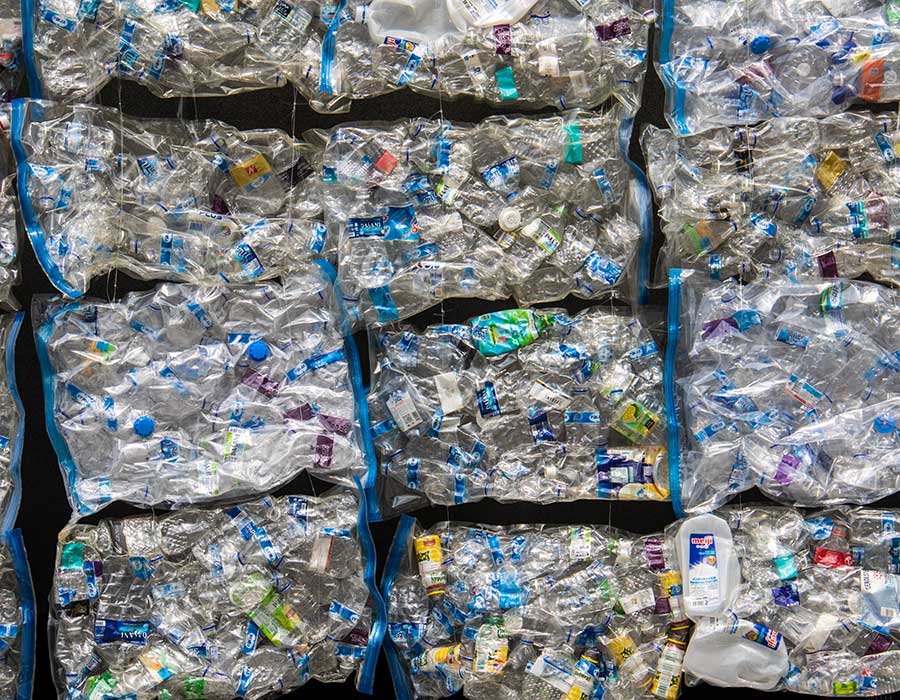
The world produces 381 million tonnes of plastic waste every year, a figure set to double by 2034. Some alternative materials have been hailed ‘silver bullets’ to the problem, but are they really a viable option?

But what exactly is sustainable plastic alternative? Is it recyclable, compostable, biodegradable, made from renewable materials? Better yet, could it be plastic made from captured carbon dioxide or other greenhouse gases? All of these options exist today, and quite a few are already on the market.

Biodegradable plastic is forecast to grow to more than $6 billion in market size by 2023 and the UK’s compostable packaging market is predicted to increase tenfold by 2025. But what’s the difference?

Biodegradable refers to the ability of a material to break down and return to nature. To qualify as biodegradable, packaging materials must completely break down and decompose into natural elements within a year.

Compostable materials go one step further by providing the earth with nutrients once the material has broken down.

Sounds great, but these materials aren’t without their problems.

Compostable packaging, for example, generally requires an industrial facility to heat the plastic to a high enough temperature for microbes to break it down, in combination with measured levels of oxygen and moisture. Home composting systems are simply unable to provide these conditions.

When sent to landfill, compostable plastics are deprived of the light and oxygen needed to decompose, and can instead release significant levels of methane, a greenhouse gas far more potent than carbon dioxide. In short, the results are virtually the same as traditional oil-based plastics.

Meanwhile, biodegradable items can break down within the environment with the help of bacteria or other living organisms, but this doesn’t necessarily mean they’re good for the environment. Some plastic bags can biodegrade into tiny pieces in around 20 years, but they are still harmful to the environment.

Both compostable and biodegradable packaging materials are still in the minority in the UK and most recycling plants are not yet equipped to deal with them, so despite the best of intentions, much of the compostable packaging we produce is still incinerated or sent to landfill.

For this reason it’s vital that any brand using these materials ensures the packaging carries clear labelling so consumers know how to dispose of the packaging correctly.

There are of course cost implications to switching from traditional plastics. Currently compostable and biodegradable materials cost more to produce, and if this cost is passed to the consumer they are less likely to buy.

Some biodegradable materials are two to 10 times more expensive to produce than comparable non-biodegradable materials. But as demand for these materials increases, the prices will fall.

While packaging that decomposes seems like a perfect solution to the ever-increasing plastics problem, we also need to consider the environmental impacts of creating – or rather, growing – the raw materials. Many industry experts already view bioplastics as a counter-productive solution and this should be considered when weighing plastic against compostable packaging.

As compostable plastics are made using biomass – such as corn starch, wood pulp, sugar cane, and wheat straw – there is much debate about whether creating high volumes of bioplastic is coming at the expense of our food supply.

But as we race to find the next big thing in food packaging, we must not lose sight of the importance of a circular economy. The traditional plastics already in circulation can be kept out of landfill if waste infrastructure is better able to collect and process them, and in our quest to reduce our reliance on virgin materials, this route should not be neglected.

Next time we examine how the pandemic have changed consumer priorities, and how this in turn will shape post-COVID packaging.


GIVING FOOD TO GOOD CAUSES

Originally from a food supplier background Nicole has first- hand experience of how food waste is generated and was therefore motivated to support re-distribution of surplus to help feed vulnerable people across the UK.

Working closely with the food industry, as Commercial Manager, Nicole is responsible in helping the food industry to divert their nutritional surplus to be used for social good. Alongside this Nicole is also responsible for liaising with FareShare’s large redistribution network to ensure frozen and chilled surplus is supplied readily to the third sector.

Overcoming huge barriers and implementing long-term strategies, Nicole has been responsible for ensuring our frozen infrastructure can support demand. Nicole continues to focus on ways to safely and securely divert more quality surplus frozen food from the food industry to more people in need.

Info about FareShare: 
FareShare is the UK’s largest food redistribution charity, with more than 30 warehouses across the UK. It takes food from the food industry that can’t be sold in shops, either because of packaging errors, a short shelf life or overproduction. That food, which is the same as the food you’d eat at home, is then redistributed through a network of 11,000 frontline organisations, across the UK such as homeless hostels, school breakfast clubs, domestic violence refuges, older people’s lunch clubs, food banks and hospices. Since the pandemic, FareShare has more than doubled its work, providing the equivalent of more than 2 million meals a week to people who might not otherwise eat.

Click the link to view the full programme and book your tickets.  https://bfff.co.uk/event/the-bfff-technical-conference/

COMPANY SHOP GROUP JOINS FORCES WITH BIFFA TO BOOST UK CORPORATE SURPLUS RESPONSIBILITY

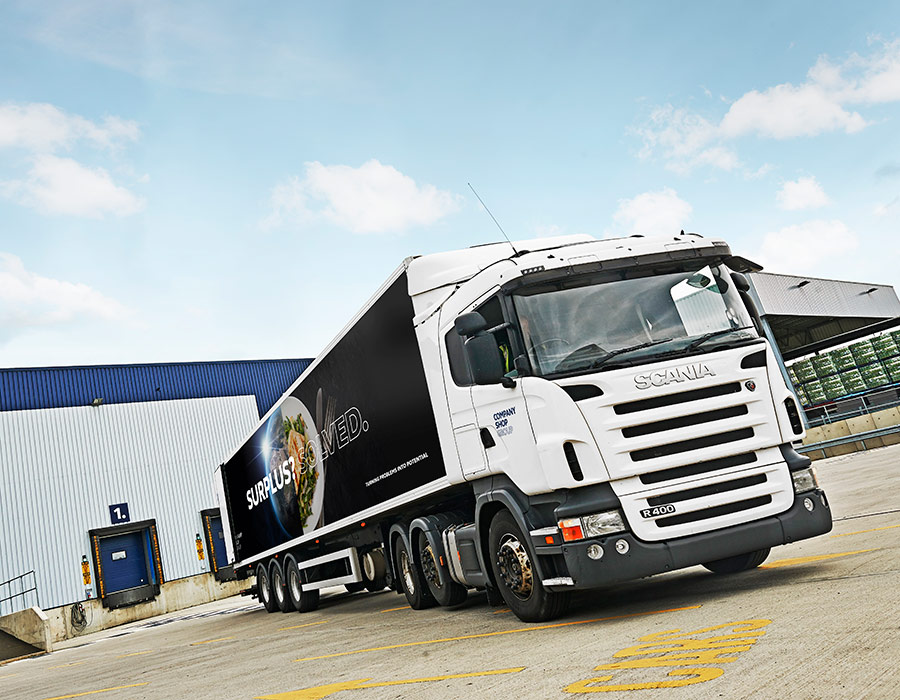
Company Shop Group, the UK’s leading redistributor of surplus food and household products, has been acquired by Biffa plc, the UK’s leading sustainable waste management company.

The deal will see the two companies work together to deliver a unique circular economy proposition to the food manufacturing and FMCG sector; helping some of the UK’s biggest operators to unlock sustainable value from the 141,000 tonnes of quality surplus waste that is produced in the UK each year.

Headquartered in Barnsley, South Yorkshire, the Group has a business model which puts environmental and social purpose at its heart. It prevents waste by identifying surplus products and then collecting, processing and redistributing them for sale through its unique network of membership-based stores, whilst ensuring compliance with stringent food safety standards. Surplus products include production overruns, trial products, or produce that has been incorrectly labelled or packaged which without intervention would be destined to become waste. The Group redistributed over 225m products over the last three years, and is growing its non-food related capacity, with over 4.5m non-food items handled per year.

The membership base of Company Shop stores comprises of employees working in the FMCG supply chain, the emergency services, NHS and the armed forces. The Group’s sustainable investment strategy has seen the number of Company Shop stores double since September 2019, to a total of 12 across England and Scotland.

The Group also operates an award-winning social enterprise, Community Shop, a not-for-profit community interest company with a network of six community hubs supporting some of the most deprived areas of UK.  Supported by donations from supplier partners, Community Shop provides its members with vital access to deeply discounted food, as well as life-changing learning and development programmes.

The announcement comes on the eve of the inaugural Food Waste Action Week, a WRAP initiative which seeks to wake the nation up to the environmental consequences of wasting food.

The acquisition of Company Shop Group is part of a series of investments which strengthens Biffa’s leadership position in the UK circular economy and will help unlock further innovation and expand Biffa’s capability to support its customers’ waste reduction and recycling targets.

Company Shop Group will work alongside Biffa’s existing Specialist Services teams, through which the Group already provides bespoke solutions to customers in the food manufacturing and e-commerce sectors, expanding Biffa’s offering in commercial surplus waste redistribution and providing a platform for Company Shop Group’s long-term expansion and growth.

Commenting, Michael Topham, Chief Executive of Biffa said:

“The acquisition of Company Shop Group strengthens Biffa’s leadership position in the UK circular economy. Its redistribution services complement Biffa’s established waste and recycling services, and supply of closed loop recycled raw materials. As the only commercial redistributor of scale in the UK, Company Shop Group is the market-leader in a growing sector, with a strong, credible growth plan which we will deliver together. Biffa and Company Shop Group share a common set of goals, including the continued development of profitable, sustainable waste management solutions while making a meaningful contribution to society. We welcome all of Company Shop Group’s members, partners and staff to Biffa and look forward to the next stage of the business’ development.”

Steph McGinty, Group Managing Director of Company Shop Group, commented:

“We are proud to be the UK’s leading redistributor of surplus food and household products. We are a passionate business working for our industry, our colleagues, our members and our communities; we call it Corporate Surplus Responsibility.

Hallmarked by long-standing and powerful partnerships, at the heart of our business is the understanding that big challenges need big solutions, and these are always better delivered in partnership.  Together, as part of Biffa plc and aligned in vision and purpose, we will continue to innovate and grow, enabling us to provide even more sustainable solutions for all of our stakeholders.

I am delighted to lead Company Shop Group in this exciting new chapter of its journey.”

John Marren, Founder of Company Shop Group, commented:

“Like the business I founded over 50 years ago, Biffa plc is another vanguard, changing the way that people think about waste.

Since day one of the Company Shop journey, I have been passionate about using business as a force for good, for the benefit of our industry, our people, our planet, and the communities we serve.

The shared values and ambitions of Company Shop and Biffa will enable both the delivery of a truly unique circular economy proposition to industry alongside continued growth in the important role that sustainable redistribution plays.

I am proud that this decision will enable Company Shop Group to step confidently into the future, as part of the global movement to reduce waste in our industry and our society. Today, more than ever, we are called to address the climate emergency, build our economy and support our communities.”

Member Benefits

Exclusive Partnership deals on key products and services:

  • BFFF energy deals and rates
  • Vypr member deals and introduction
  • Defib Plus deals
  • Company Shop – membership
  • Mentor – MHE training health check

Exclusive access to networking opportunities and events:

  • Meet the Buyer events (retail & foodservice)
  • Annual Business Conference with networking dinner
  • Specialist H&S and Technical Conferences
  • Special interest groups (packaging, frozen food temperatures)
  • Annual Lunch
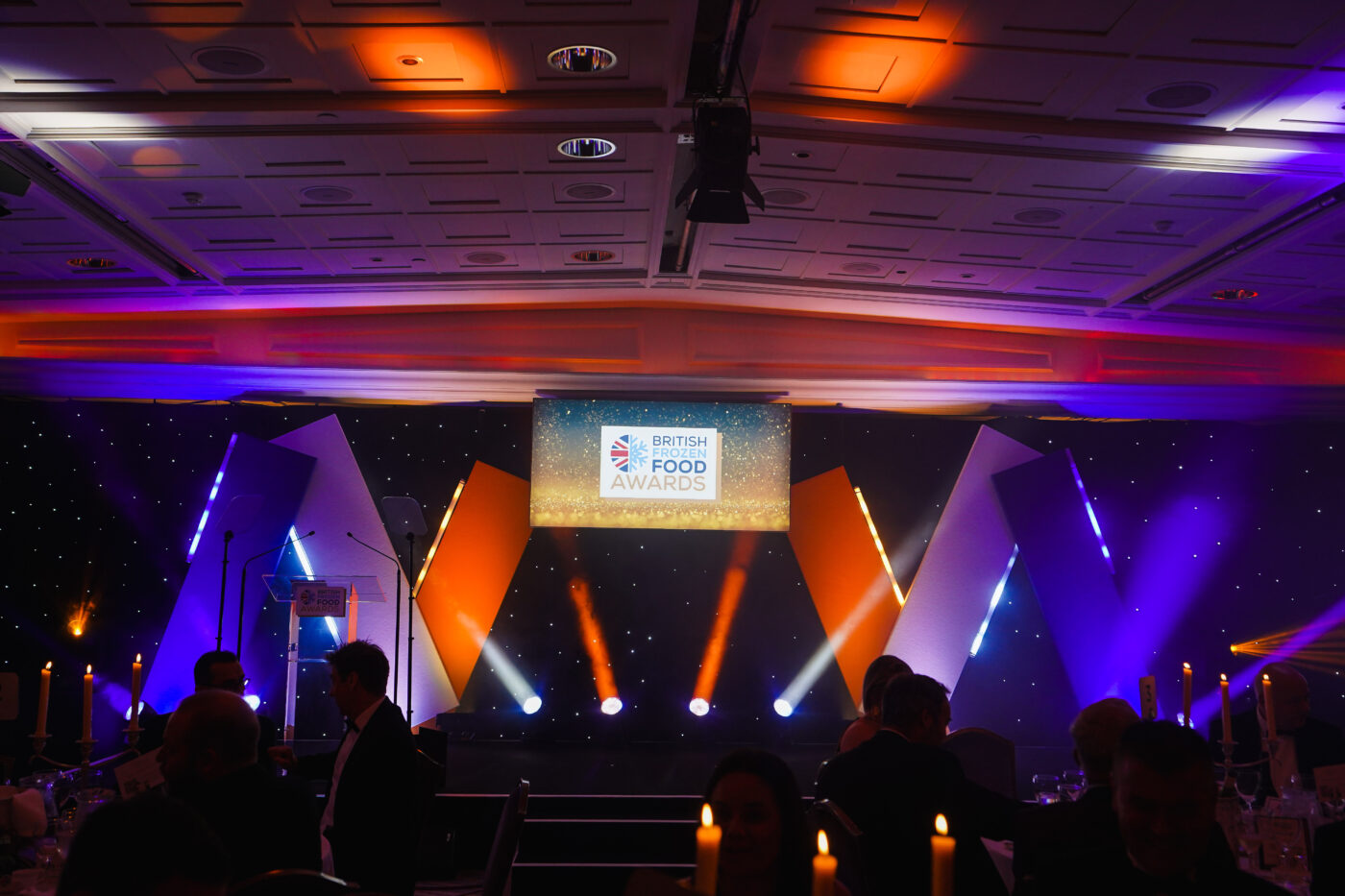
  • Awards Night
Upcoming Events More Events
Sponsorship Packages

We offer a range of sponsorship opportunities to BFFF members across our events throughout the year, with flexible packages that can be tailored to suit your business objectives.

Contact Us
British Frozen Food Federation Members Logo
what our members say...
  • Wakefield Council

    “What an amazing piece of work and indicative of how BFFF respond to the concerns of their members and make an impact on the whole industry sector.”

    See Full Quote

  • Sysco

    “You guys really ‘Do The Right Thing’ for the good of the industry”

    See Full Quote

  • Darta

    “The BFFF awards night is becoming an “appointment not to miss” on our calendar and we again enjoyed it immensely together with lots of well-known people from our industry. The…

    See Full Quote

  • Kantar Worldpanel

    “The Business Conference was an excellent day that was very well organised and allowed so many likeminded individuals in the room to learn so much more around the Frozen industry….

    See Full Quote

  • Lakeside Food Group Ltd

    “This Not For EU labelling situation alarmed us and quickly became a major worry to our business. These are times when you really rely on some support and from previous…

    See Full Quote

  • Meadow Vale Foods Limited

    “We had a few questions with respect to the new EPR waste packaging legislative changes. I know some of my colleagues have been assisted by BFFF in the past so…

    See Full Quote

  • Newberry International Produce Ltd

    “I am writing to express my heartfelt gratitude for the outstanding event you organised. I have only worked in this sector for the past nineteen months coming from twenty-five years…

    See Full Quote

  • Place UK Ltd

    “The BFFF 2024 Conference was compelling and thought provoking, with a many relevant and interesting topics covered at great pace and some depth by excellent speakers – will certainly attend…

    See Full Quote

  • Roswel Spedition GMBH

    “Thank you and the team for rushing around so brilliantly before, during and after the conference. It was pleasure to be part of the conference.”

    See Full Quote

  • Seara

    “The event was great, in my opinion. Not only it was very well organised, but the venue and the catering were excellent too. Furthermore, the content of the presentations was…

    See Full Quote

Website Designed & Built by we are CODA