Become a member

MOST VALUABLE, MOST UNDERVALUED: SAFETYCULTURE’S MISSION TO EMPOWER FRONTLINE WORKERS IN 2021

They hold our brand, reputation, and safety in their hands. But are we giving our frontline staff the tools and support they need to do their best work, every day?

2020 was the year the public rallied behind our frontline workers. From Clap for Carers to fundraising initiatives, we recognised and celebrated those committed to keeping critical services and resources flowing at the height of lockdown.

However, despite their value and critical role, our frontline workers are still woefully underserved when it comes to technology. They make up 80% of our workforce, but just 1% of available venture capital funding has been invested in developing solutions that serve our frontlines.

At the height of the pandemic, this gap exposed many organisations to risk and weakened resilience at a time when we needed it most. Unable to get a full picture of what was happening on the shop floor or out in the field, leaders have never felt that vulnerability more acutely.

The vaccine rollout signifies a light at the end of the tunnel. However, we can’t let those learnings go to waste: to weather 2021 (and beyond), it’s time to empower our frontlines, properly.

Adapt fast – or disappear

COVID taught us the value of being adaptive in the face of the unexpected. Those who could pivot fast and respond to (near-daily) changes were best-placed to ride the waves of the pandemic.

We saw every creative response imaginable: popup food vans partnering pubs, contactless shopping, chef home-dining experiences, Zoom wine-tasting and fitness classes. It tested our resilience and dramatically reduced innovation cycles – because we had no choice.

(The ability to adapt to takeaway-only models of working enabled many organisations to continue operating even during tiered lockdown restrictions.)

Building adaptable business models so we can change as quickly as our environments is clearly crucial to operational success. We don’t know what the next COVID19 will be, but the ability to push innovation through at pace will mean we’re better prepared to weather it.

But how do we make adaptation a core business strategy? And what does it have to do with our frontline workers?

The most powerful data source in our organisations – our employees

Our frontline workers are our first responders. They’re our eyes and ears on the ground; the ones at the actionable point of risk. They’re the guardians of our brand and the executors of our customer service.

They’re also our richest data point and pivotal to driving any organisational change. To be truly adaptive, we have to make data-driven decisions: and move away from being reactive, to actually anticipating and predicting risk or change.

To do that, we have to see what our frontline workers are seeing, every day. And turn that data into something we understand and can act on: surfacing insights that can reduce risk, build organisational resilience, and inform our decision-making.

Our staff can identify issues before they escalate into full-blown incidents; and surface data that feeds into a bigger picture of how our organisations are truly operating. Maybe an empty sanitiser dispenser, missed safety check or a dip in output doesn’t mean much in isolation. But when that’s a repeat issue on a particular site during certain hours and there’s someone accountable – that’s a vulnerability we can address.

Despite this, many still battle to be heard via excel spreadsheets, outdated or dispersed systems, or even traditional ‘paper and pen’ reporting that is never seen higher up. Every operations leader should be asking: do I REALLY know what happened in my organisation today?

Supporting businesses to do their best work, every day

SafetyCulture is setting out to address that challenge. Its mobile-first technologies drive accountability cultures, create high-performing workplaces and surface real insights for those at management level.

It’s flagship products, iAuditor and EdApp, enable teams to perform checks, train staff, report issues, capture data and communicate fluidly. Sensors automate data capture and free up valuable staff time. All that data then flows through the organisation, with integrations creating a digital operations ecosystem. Now, leaders really can see what’s happening at grassroots level: in real time.

The demands on our workforces have never been higher. In the shadow of COVID19 we face economic uncertainty, time pressures, competing priorities, and a demand for greater efficiency. Businesses are under pressure to meet sustainability and environmental initiatives and deliver an outstanding customer experience at every stage – and that’s before we add in the challenges of Brexit.

Equipping frontline workers with the right tools directly on their mobile devices is a simple but effective way to drive change and rise to those challenges in front of us – and it’s a trend we’ll see taking off in the next twelve months.

Interested in seeing how SafetyCulture can support your organisation with its operational objectives for 2021 and beyond? As a BFFF partner, SafetyCulture is working closely with the association to create tailored checklists and materials for your sector: available free to BFFF members. Visit https://safetyculture.com/british-frozen-food-federation/ to learn more and get started.

 

Guidance – Supporting Musculoskeletal Health in the Workplace

This infosheet, published by the European Agency for Safety and Health at Work (EU-OSHA) introduces Healthy Workplaces Lighten the Load, a Europe-wide awareness-raising campaign about musculoskeletal disorders (MSDs).
MSDs are the most common work-related health problem in the EU. MSDs are a major cause of concern: first of all because they affect the general health situation of so many workers, and secondly because of the economic impacts on enterprises and the financial and social costs to European countries.
MSDs are preventable and manageable. This can be achieved by adopting an integrated management approach to tackling MSDs based on the principles of the occupational safety and health Framework Directive, among which we would like to underline: workplace risk assessment, the hierarchy of prevention and worker participation.
Key points
• Why it is so important to prevent work-related MSDs and to promote good musculoskeletal health among EU
workers.
• Key for EU workers’ quality of life and for sustainable work, productivity and social security systems.
• Work-related MSDs remain the most common work-related health problem in the EU and one of the most common
causes of disability and sick leave.
• Work-related MSDs result in huge costs that fall on the workers, employers, health services and the wider
society and economy.
• MSDs are preventable and manageable. So high costs related to MSDs can be reduced. The return on investment
for workers’ quality of life at work, businesses and social security systems is worth the effort.
• Taking into account the need for an ageing EU workforce to remain healthy and productive, it is urgent for
organisations to implement MSD policies to prevent and reduce work-related MSDs.
• As well as the prevention of new disorders, rehabilitating workers with MSDs and integrating them back into
work should also form an integral part of any workplace MSD policy.
The infosheet is available by following the link below:
https://osha.europa.eu/en/highlights/preventing-work-related-msds-how-body-and-hazard-mapping-can-help?pk_campaign=rss_news

PAUL DUNCALF – VEHICLE INNOVATIONS

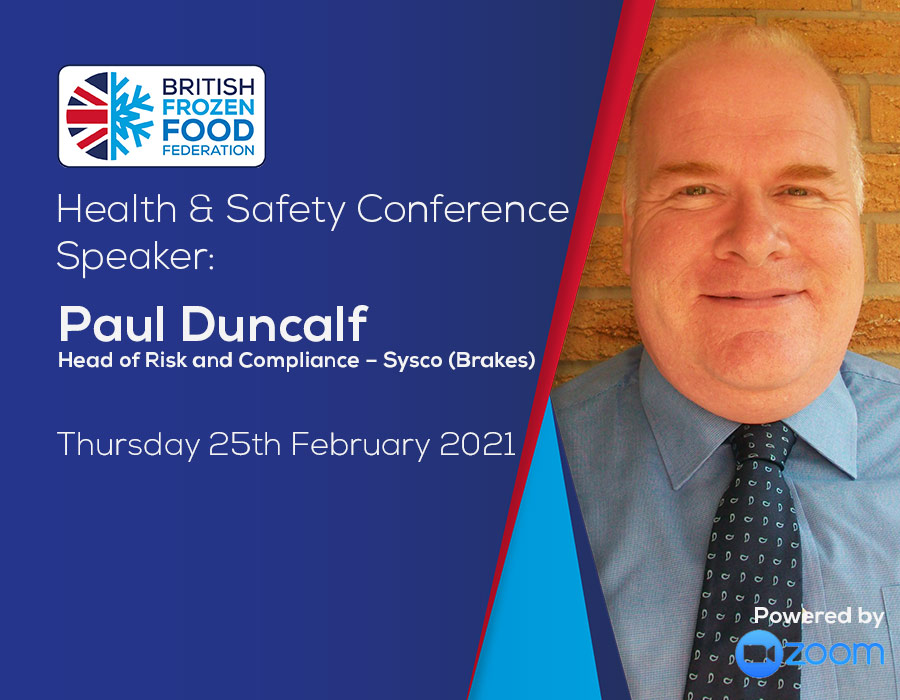
Paul Duncalf, Head of Risk and Compliance – Sysco joins us at the BFFF Health & Safety Conference sponsored by Arco Ltd. on 25th February where he will explore textbook examples of how the use of technology can be used to deliver good practice and continuous improvement within the Brakes Group.

Paul has worked in Health, Safety & Environment for over 15 years. Prior to this he worked in Logistics, including BRS/Exel Logistics & NFT Distribution. Has experience in both Logistics and Manufacturing with a definite focus on operational practicality as well as legal compliance. He also has extensive experience in improving H&S standards and cultures, Automation Projects, H&S Audit programmes, Behavioural Safety, Training, Fire Management, Workplace Transport and Insurance claims management.

Paul has a Diploma in Health, Safety & Environmental Management from Nottingham University, and Certificates of Professional Competency for Road Haulage, both National & International.

Paul is a Chartered Member of the Institute of Occupational Safety & Health, a Member of the International Institute of Risk & Safety Management and also sits on the British Frozen Food Federations’ Health & Safety Expert Group.

Tickets are still available for the conference so book yours today. Click here
Download the programme here: BFFF Health & Safety Conference Programme

Conference Affiliates ACT

ACT are an affiliate of the Health & Safety Conference and are offering all British Frozen Food Federation members an exclusive 20% discount on all training, publications and services.

For further information regarding this discount and the products and services that it applies to, please get in touch: actsales@actassociates.co.uk

01384 447915

2021 FOOD INDUSTRY CHALLENGES AND TRENDS

Thankfully, we leave 2020 behind us but the Food Industry faces fresh challenges and sees new trends emerge as we head into 2021.

Safety Standards will be at the forefront of every business plan to maintain trust by consumers in food manufacturing. This includes ensuring that the people making the food are safe, as they cannot work from home, as well as the food the consumer puts on the plate. It will be essential for all companies to ensure that the manufacturing facilities are a safe, secure environment and that they are prepared for physical inspections when they recommence.

Sustainability is still a priority and although it has taken a back seat to the Pandemic, it is crucial that all businesses remain aware that the climate crisis still needs addressing. The reduction of single use plastic and plastic waste has been paused due to consumer concerns re. virus contamination but it is vital that business gets this back on track. Food waste is certain to return as a concern for all with the global carbon footprint of waste food estimated at 3.3 billion tonnes. The industry needs to devise ways of reducing the waste – it is not just down to food consumers – and to continue the good work that has been achieved thus far.

Out Of Home restaurants have had to adjust to the lockdowns with being forced to convert to takeaway overnight. This has raised concerns re. allergens. The FSA has advised these outlets that they must provide allergen information when taking an order and it should also be displayed clearly on packaging. There are currently no checks in place for this. Pubs and restaurants have also been forced to close and open in a localised response to reduce the spread of covid. This has caused problems with retention of staff, changing from sit in to take away and managing quantities of food required.

Food Fraud – as a result of the surge in demand for food and the economic downturn, the need to provide food as cheaply as possible has left the door open for disingenuous operators to take advantage. This has raised concerns on the honesty of some of the global market. It will be down to the Industry to finds ways of combatting food crime which threatens to derail consumer trust.

Plant-Based diets in recent years has seen an increase, with people choosing partial plant-based diets and this is not showing any signs of slowing down in 2021. It is chosen as a way to support weight loss and achieve health and fitness ambitions. Even the fast food chains have cottoned on to this trend and are taking full advantage.

Artisan Products have seen a rise in recent years and can expect to see a leap in 2021 as consumers seek to fill the absence of being able to eat out, with restaurant style eating at home.  This is a market that has seen steady increase over recent years. Ready-made meals could also see an opportunity here to increase production to meet the consumers changing tastes.


To see the full article – please click here

GUIDANCE FOR FBO’S: GETTING THE BEST FROM THIRD PARTY LABORATORIES

The Chilled Food Association (CFA), in collaboration with Food Standards Scotland, have recently published useful new CFA Guidance on ‘Getting the Best from Third Party Laboratories’.

The guidance aims to raise awareness of the need to use analytical laboratories with the right expertise, accreditations, using appropriate methods and facilitate development of partnerships between such third-party laboratories and their customers in the food industry, moving away from purely transactional arrangements.

Greater transparency is needed from both Food Business Operators (FBOs) and laboratories to achieve this, with greater understanding of each other’s needs and impacts on business and working to agreed Key Performance/Continuous Improvement Indicators regarding resilience, reliability, relevance and sustainability of analytical services, all of which are covered.

The focus of this first edition is on microbiological analytical services provided by a third party to a FBO and includes:

  • Checklist
  • Fitness for Purpose – Laboratories and Methods
  • Provision of Samples to Laboratories
  • Reporting Results
  • Complaints Procedure
  • Selecting a laboratory through tender
  • Special measures for laboratories
  • Contracts
Member Benefits

Exclusive Partnership deals on key products and services:

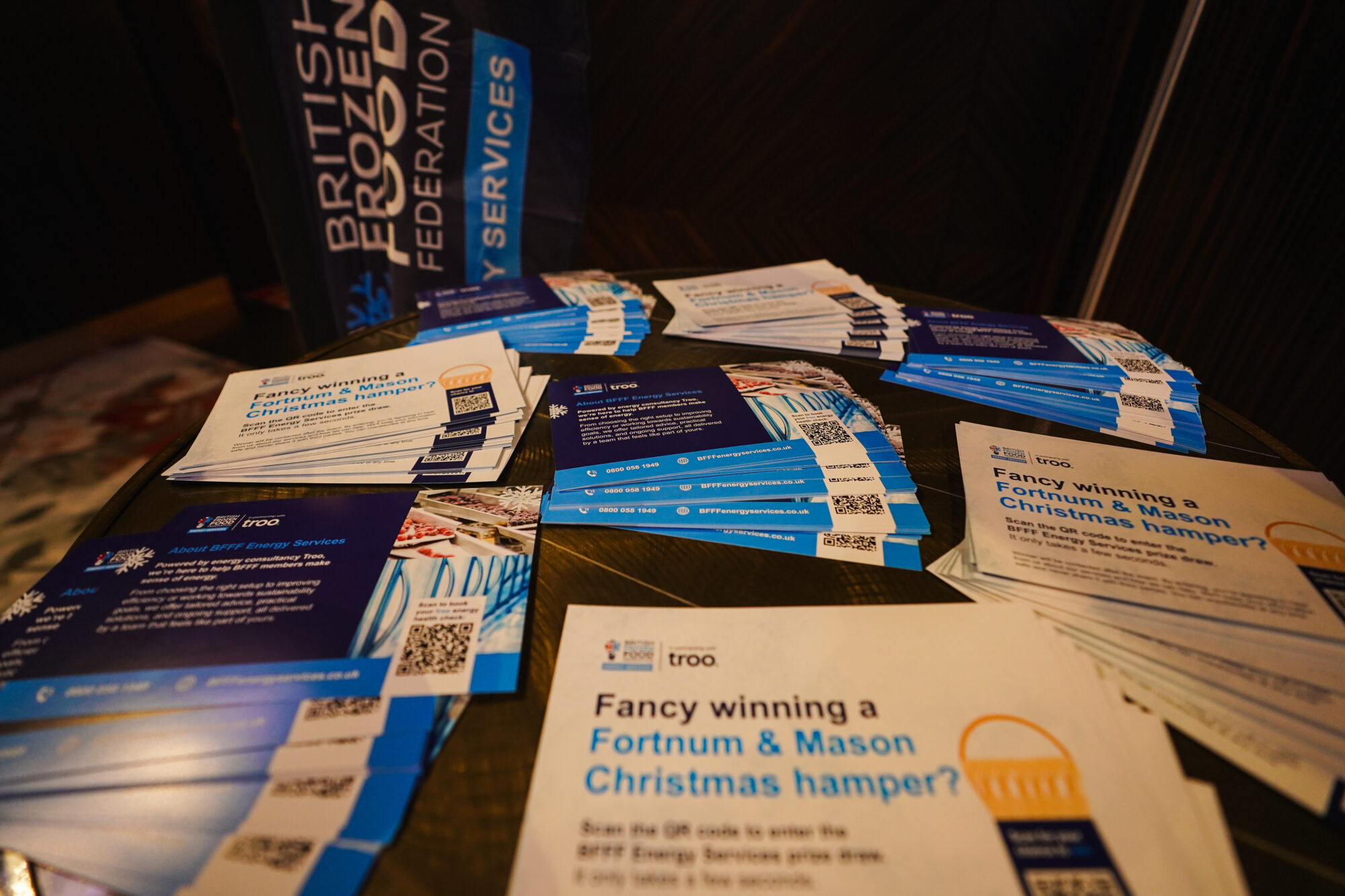
  • BFFF energy deals and rates
  • Vypr member deals and introduction
  • Defib Plus deals
  • Company Shop – membership
  • Mentor – MHE training health check

Exclusive access to networking opportunities and events:

  • Meet the Buyer events (retail & foodservice)
  • Annual Business Conference with networking dinner
  • Specialist H&S and Technical Conferences
  • Special interest groups (packaging, frozen food temperatures)
  • Annual Lunch
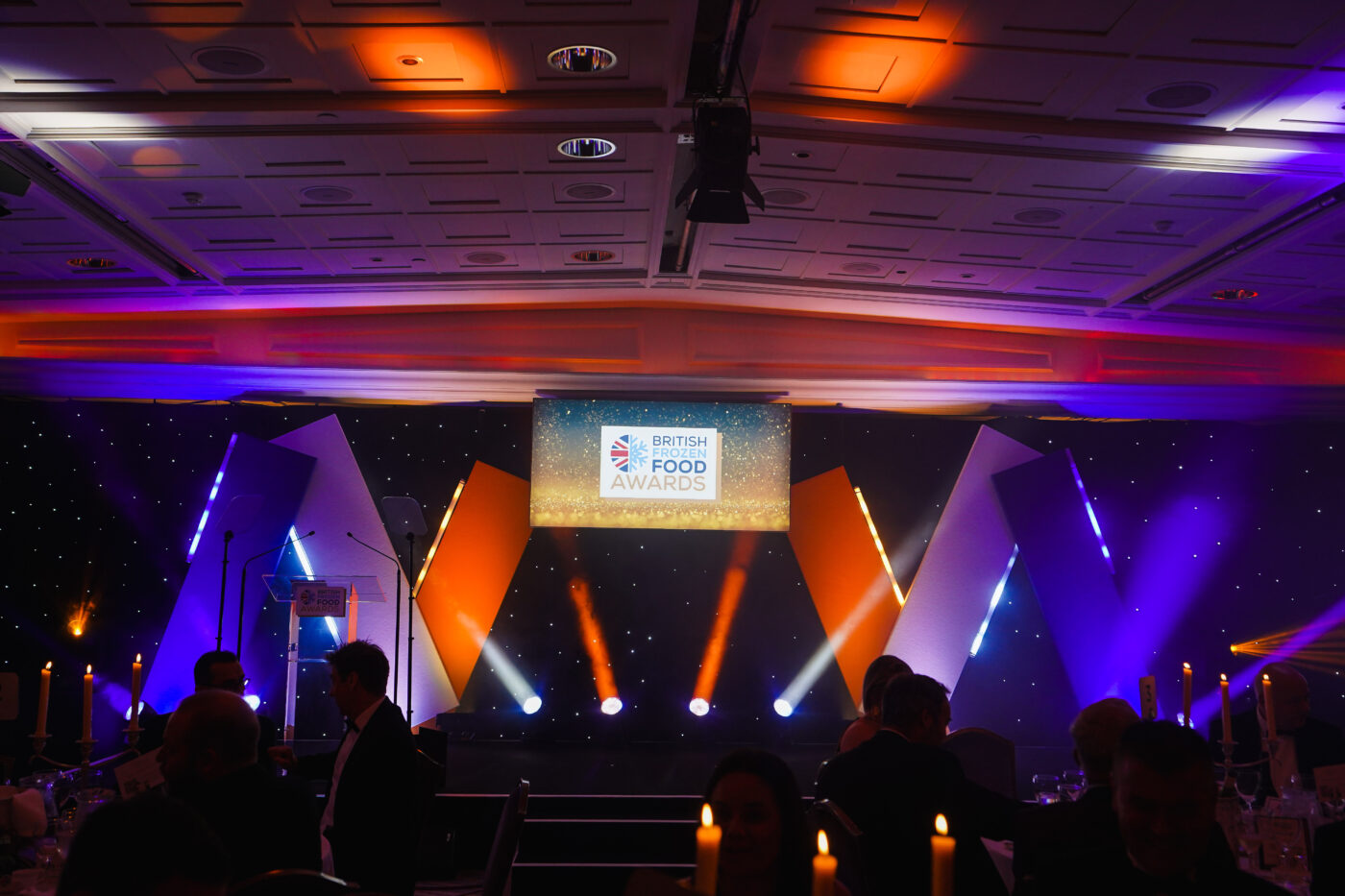
  • Awards Night
Upcoming Events More Events
Sponsorship Packages

We offer a range of sponsorship opportunities to BFFF members across our events throughout the year, with flexible packages that can be tailored to suit your business objectives.

Contact Us
British Frozen Food Federation Members Logo
what our members say...
  • Wakefield Council

    “What an amazing piece of work and indicative of how BFFF respond to the concerns of their members and make an impact on the whole industry sector.”

    See Full Quote

  • Sysco

    “You guys really ‘Do The Right Thing’ for the good of the industry”

    See Full Quote

  • Darta

    “The BFFF awards night is becoming an “appointment not to miss” on our calendar and we again enjoyed it immensely together with lots of well-known people from our industry. The…

    See Full Quote

  • Kantar Worldpanel

    “The Business Conference was an excellent day that was very well organised and allowed so many likeminded individuals in the room to learn so much more around the Frozen industry….

    See Full Quote

  • Lakeside Food Group Ltd

    “This Not For EU labelling situation alarmed us and quickly became a major worry to our business. These are times when you really rely on some support and from previous…

    See Full Quote

  • Meadow Vale Foods Limited

    “We had a few questions with respect to the new EPR waste packaging legislative changes. I know some of my colleagues have been assisted by BFFF in the past so…

    See Full Quote

  • Newberry International Produce Ltd

    “I am writing to express my heartfelt gratitude for the outstanding event you organised. I have only worked in this sector for the past nineteen months coming from twenty-five years…

    See Full Quote

  • Place UK Ltd

    “The BFFF 2024 Conference was compelling and thought provoking, with a many relevant and interesting topics covered at great pace and some depth by excellent speakers – will certainly attend…

    See Full Quote

  • Roswel Spedition GMBH

    “Thank you and the team for rushing around so brilliantly before, during and after the conference. It was pleasure to be part of the conference.”

    See Full Quote

  • Seara

    “The event was great, in my opinion. Not only it was very well organised, but the venue and the catering were excellent too. Furthermore, the content of the presentations was…

    See Full Quote

Website Designed & Built by we are CODA