Become a member

UK GOVERNMENT, CEOS OF SUPERMARKETS, AND UK’S LARGEST LANDOWNERS TO ADDRESS SUSTAINABLE FOODS CONFERENCE

Top Executives from Tesco, Morrison’s and Danone to Highlight New Initiatives for Healthy and Sustainable Diets
Government and Business to Outline Ambitious Initiatives to Advance UK Food Security
Environmental Sustainability of Global Food and Beverage on the Agenda, Responsible for One-Third of Global Greenhouse Gas Emissions

London, 5 November 2025

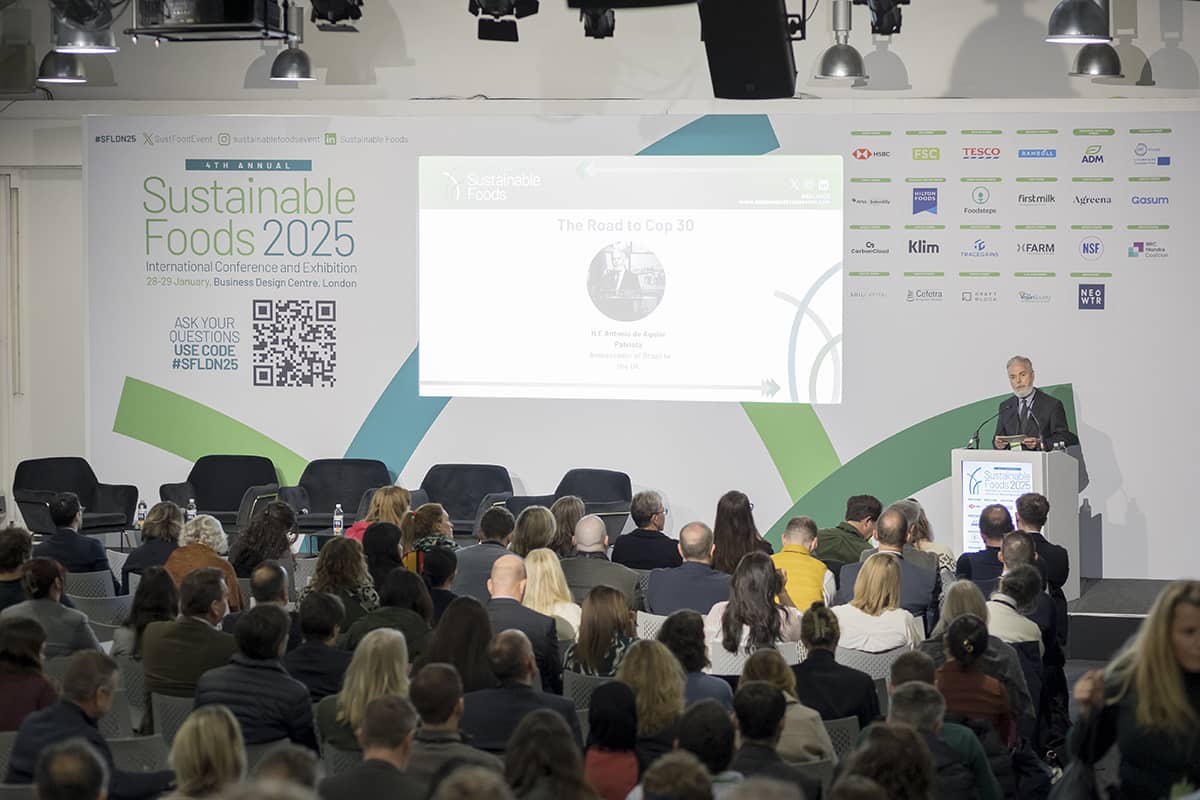
The Sustainable Foods Conference will return to London’s Business Design Centre on 28–29 January 2026 and is set to be the most senior gathering of food and beverage (F&B) professionals ever seen in the UK.

More than 500 retailers, food and drink manufacturers, landowners, farmers, and other stakeholders will address key challenges facing global food systems.

Keynote Speakers Include:

  • Dame Angela Eagle, Minister of State, Department for Food, Environment, and Rural Affairs (DEFRA)
  • Ken Murphy, CEO, Tesco plc
  • Ash Amirahmadi, CEO, Sofina Foods
  • Rami Baitiéh, CEO, Morrisons
  • James Mayer, President, Danone UK and EIRE
  • Archana Jagannathan, Chief Sustainability Officer, PepsiCo Europe
  • Emma Pinchbeck FEI, CEO, Climate Change Committee (CCC)

Currently, the food industry is responsible for one-third of global greenhouse gas (GHG) emissions. Empty supermarket shelves in 2023, caused by flooding in Spain, were a stark reminder of the vulnerabilities in the UK’s food supply chain. More recently, debates surrounding farmers’ inheritance tax, rising obesity rates, processed foods, and poor crop yields have all highlighted major systemic challenges within global food systems.

The Sustainable Foods Conference has strong support across the industry and will provide a high-profile meeting place for announcements, partnerships, and deal-making for those who farm, manufacture, and sell food and drink.

2026 Partners Include:

Tesco (Lead Sponsor), Arla (Associate Sponsor), ABP (Regenerative Agriculture Partner), Danone (Health & Nutrition Partner), BidFood (Content Partner), and Bel (Healthy Snacking Partner).

Commenting on their support for the congress, Ken Murphy, CEO, Tesco, said:

“We’re proud that Tesco is the lead sponsor of the Sustainable Food Conference, which brings together leaders from across the industry to focus on the future of food. It’s a great opportunity to collaborate, share ideas and innovation, and accelerate the progress we all need to make towards a more sustainable and healthier food system. We’re pleased to support the event and stand alongside others who are committed to making a real difference.”

SUSTAINABILITY 2026–2030: A GENUINE, CROSS-CUTTING COMMITMENT WITH A VISION FOR THE FUTURE

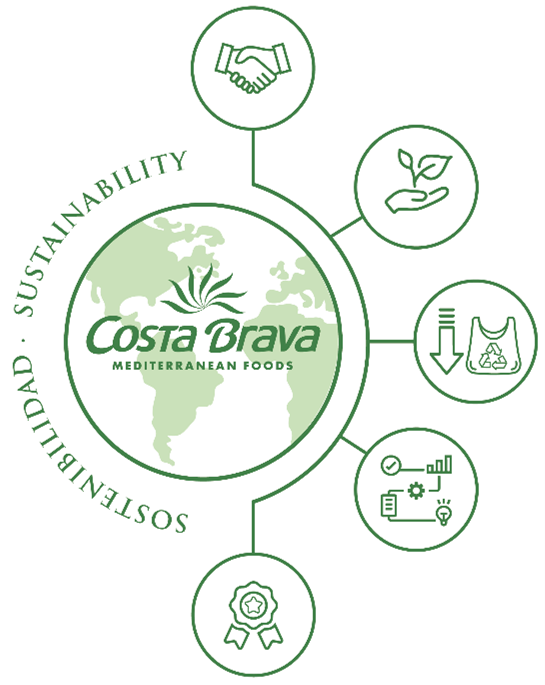
At Costa Brava Mediterranean Foods, we are defining a 2026–2030 Strategic Sustainability Plan aligned with ESG principles (Environmental, Social & Governance). This framework enables us to manage risks and opportunities responsibly across key areas such as the environment, social relations, and corporate governance.


These are the five main objectives guiding our sustainable actions:

  1. Climate Commitment
    We are reducing our greenhouse gas emissions and boosting energy efficiency through the installation of photovoltaic panels and the exclusive use of 100% renewable energy.
  2. Reduction in the Use of Natural Resources
    We actively reduce water, electricity and gas consumption, and promote cleaner production by minimising waste — following the principles of the 5Rs and our strong commitment to the Zero Waste model.
  3. Plastic Reduction
    We are driving a circular economy by lowering plastic use per kilogram of product and increasing the amount of recycled plastic used in our packaging.
  4. Commitment to People and Quality
    Aligned with the UN 2030 Agenda SDGs, we work to provide safe, high-quality food (IFS, BRC certifications), combat food waste, and implement Equality Plans that promote social inclusion and greater female representation in management positions.
  5. Animal Welfare
    100% of our farms, slaughterhouses and processing plants comply with the highest European animal welfare standards, certified by Welfare Quality.


With this plan, we reaffirm our ambition to be active agents of change, creating sustainable value for our clients, employees, consumers and the planet.

🔗 www.costabravafoods.com/en/sustainability-2/

DRAFT EPR AMENDING REGULATIONS LAID BEFORE PARLIAMENT

Members should be aware that the draft amending regulations regarding the Extended Producer Responsibility for packaging (pEPR) scheme were laid before Parliament on 3rd November.

The Producer Responsibility Obligations (Packaging and Packaging Waste) (Amendment) Regulations 2025 can be found here and if passed will then come into force from the beginning of January 2026.

On behalf of all four governments Emma Bourne OBE Director – Circular Economy at Defra published a letter to industry stakeholders outlining the key changes. A copy of the letter can be found *here*

The key points covered in the letter are …

  1. Producer Responsibility Organisation (PRO).  The formal application period for the PRO has now started.  This runs for just 6 weeks up to Friday 12th December 2025.
  2. Offsetting for closed loop recycling systems.
  3. pEPR operability changes: including amending the Fibre-based composite definition.
  4. Update on dual-use packaging (i.e. some non-household packaging that is currently classified as household).  Not in the Regulations but options continue to be explored.
  5. Reform of the Packaging Recovery Notes (PRN) system.  A formal consultation on reform options is expected in early 2026.
  6. Improving efficiency and effectiveness of local authorities’ services.

AVIAN INFLUENZA DRIVES FURTHER PREVENTATIVE MEASURES ACROSS ENGLAND

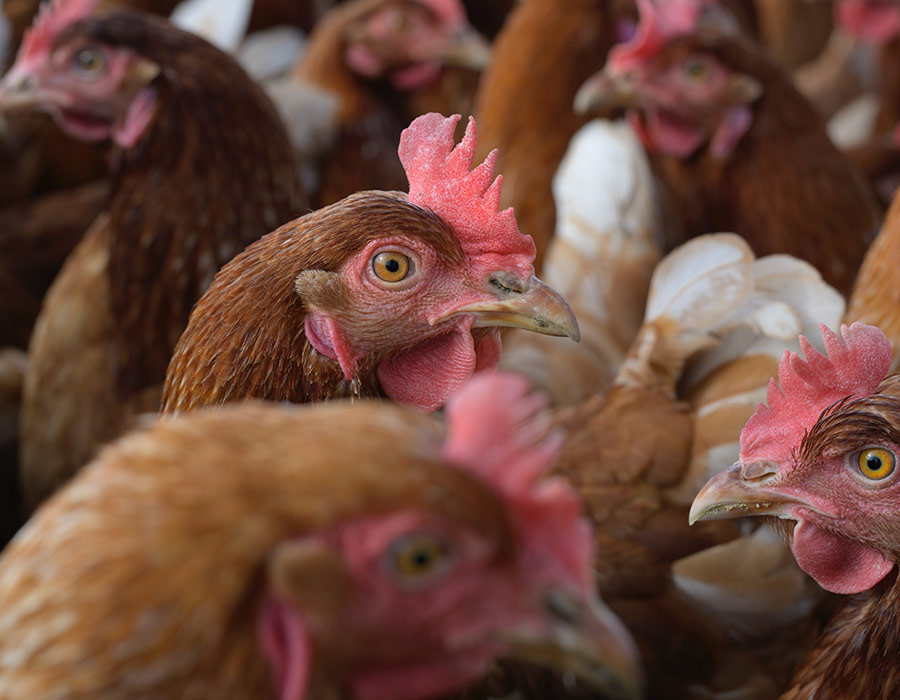
Following the escalating number of cases of avian influenza in kept and wild birds, the Avian Influenza Protection Zone (AIPZ) with mandatory housing measures to protect poultry & captive birds has now been extended to the whole of England to all keepers of over 50 birds and all keepers who sell or give away eggs or poultry products (even if they keep fewer than 50 birds).

It is now a legal requirement for keepers of over 50 birds and all keepers who sell or give away eggs or poultry products (even if they keep fewer than 50 birds) in England to house their birds and continue to follow stringent biosecurity measures. Please see the press release on GOV.UK for more information.

The AIPZ requiring mandatory biosecurity measures remains in place across GB.

Please also check the disease control zones on our avian influenza interactive map to see what restrictions are in place.

Definitive requirements are set out in the published declarations for each disease control zone currently in force. More information is available on GOV.UK.

FRUCOM EXPANDS PROCESSING CAPABILITIES IN CHINA WITH NEW STATE-OF-THE-ART FACILITY IN SHANDONG

UK – Frucom, a leading UK-based importer and distributor of high-quality frozen and ambient ingredients, has announced a major expansion of its global supply chain through a strategic partnership with a new processing facility located in Shandong Province, China.

The new factory, developed by one of Frucom’s most trusted suppliers — with whom the company has maintained a 20-year relationship — is situated just 15 kilometres from their existing site in Rizhao. This facility incorporates cutting-edge technology and rigorous quality control measures to meet the stringent demands of European food manufacturers.

Advanced Technology for Superior Quality

A key feature of the new plant is the installation of an advanced optical sorter — an automated system that scans each vegetable piece using high-resolution imaging to detect and remove defects or foreign materials in real time. This ensures exceptional product purity and significantly reduces the risk of contamination, setting a new benchmark for quality in IQF vegetable processing.

Robust Processing Lines and Product Range

The factory currently operates two processing lines, with a third planned for later this year:

  • A high-speed line for diced, sliced, cut, whole peeled, and particulate products, with an annual capacity of up to 25,000 metric tonnes.
  • A purée line producing tablets and whole-strip formats, with a capacity of 10,000 metric tonnes per year.
  • A third line for roasting, grilling, and aseptic processing is scheduled to be operational by the end of 2025.

The facility will produce an extensive selection of IQF vegetables and herbs, including garlic, ginger, onion, peppers, chillies, carrots, broccoli, and many more.


Quality Assurance and Accreditation

Frucom’s Technical Manager, Tyronn Kirby, completed a full technical visit to the facility earlier this year.

Tyronn commented:

“I was thoroughly impressed with the scale, organisation, and hygiene standards of the facility. The processes are robust, the staff well-trained, and the level of detail in traceability and quality control was outstanding. This is a facility built for performance.”

The factory achieved an A grade on their BCR audit in August, further demonstrating its commitment to internationally recognised food safety protocols

TOP 5 MANUAL HANDLING CHALLENGES IN THE FROZEN-FOOD SUPPLY CHAIN

In the frozen-food industry, the demand for efficiency, hygiene and safety is ever-increasing.

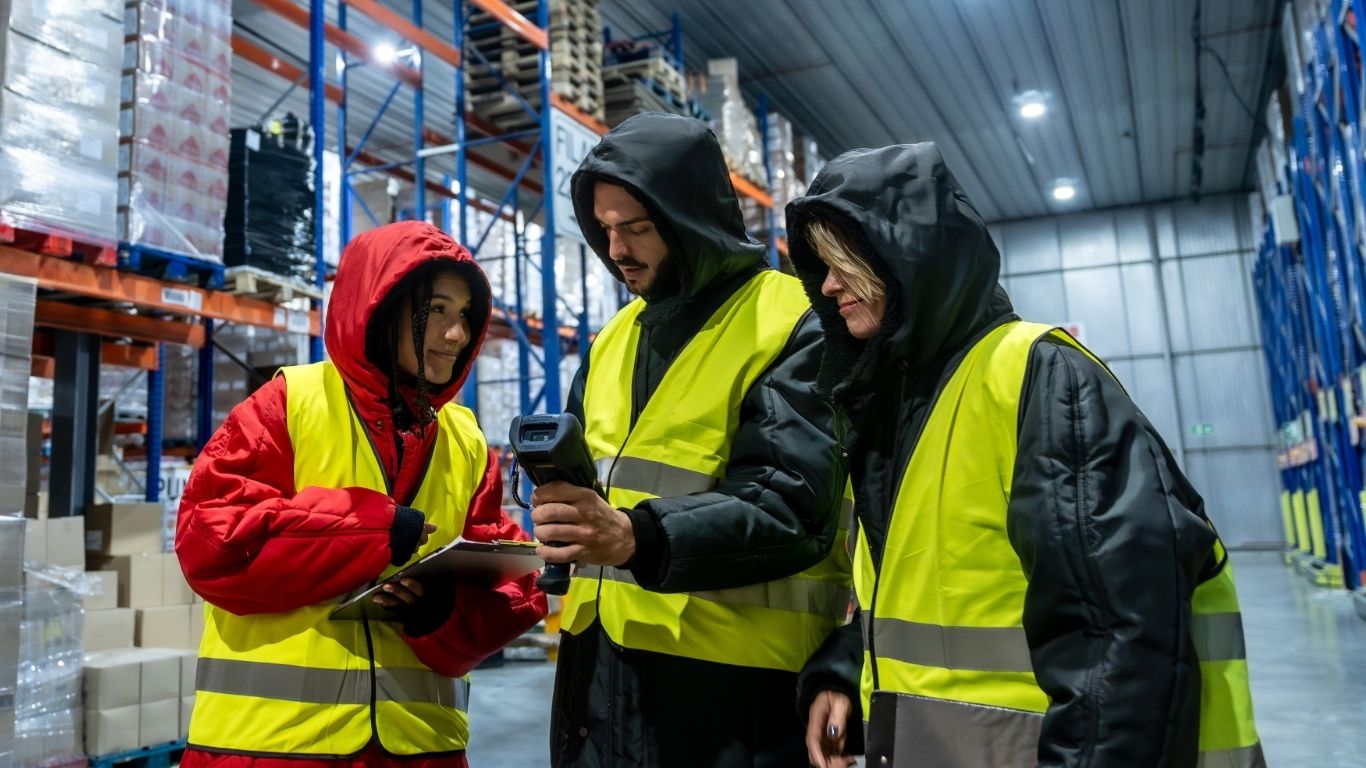
According to the Health & Safety Executive (HSE), over 30% of reported acute injuries in the food & drink sector stem from manual handling tasks such as lifting, lowering, carrying or moving loads.  In a frozen-food environment – where cold temperatures, slippery surfaces, stacked pallets, and time pressures are the norm – these risks are amplified.

As a specialist in forklift attachments tailored for cold and hygiene-critical environments, Contact Attachments Ltd shares the top five manual-handling challenges facing frozen food operations, along with practical hints and equipment-based solutions that can help mitigate them.


  1. Heavy loads and awkward stacking/unstacking

One of the most common causes of injury in food & drink manufacturing is handling heavy boxes, crates, sacks or palletised loads – especially when stacking or de-stacking.  In a frozen-food warehouse, loads are often bulky, may be stacked high, and must be moved quickly to maintain the cold-chain.

Why it’s a challenge:

  • Loads above shoulder height or from the floor demand awkward lifting, increasing musculoskeletal strain
  • In freezers or chillers, workers may lift heavier loads while wearing bulky gloves or protective gear, reducing dexterity and increasing physical demand
  • Time pressures can encourage workers to lift manually rather than utilise specialist lifting equipment.

What to do:

  • Risk-assess all tasks involving heavy/awkward loads – can the load be reduced, split, or moved mechanically?
  • Use purpose-built attachments for example fork extensions) to avoid manual lifting of heavy or unstable loads.
  • Ensure stacking heights are within safe reach, and loads are secured to reduce manual handling after stacking.


  1. Working in the Cold – Extra Strain and Slip Hazards

Frozen and chilled storage introduces additional manual-handling hazards.  Working in sub-zero temperatures slows down response times and increases fatigue – and added to that, surfaces may be icy or wet.

Why it’s a challenge:

  • Reduced grip when wearing cold-weather PPE (gloves, heavy boots etc)
  • Slips, trips and falls become more likely on icy or wet flooring – the HSE estimates that slips/trips in wet/icy areas cost UK business £millions annually

What to do:

  • Provide and enforce suitable non-slip footwear, gloves and PPE designed for freezer use
  • Minimise manual handling in freezer zones: use attachments designed for cold environments (for example, stainless-steel, corrosion-resistant) so that forklift attachments rather than people bear more of the load
  • Implement ergonomic designs – avoid manual lifting of goods from the floor in a freezer, ensure good lighting and flooring condition, and schedule regular breaks for workers exposed to cold.


  1. Repetitive tasks, high volumes and operator fatigue

High-throughput frozen-food operations often involve repetitive manual tasks – unpacking, loading, stacking, transferring goods, and repeated handling of products.

Why it’s a challenge:

  • Repetition of the same manual lifting, pushing or pulling actions contributes to fatigue
  • Pressure to fulfil tight schedules (e.g. peaks during seasonal demand) can reduce time for safe manual handling
  • Manual pick-and-pack work in cold rooms is especially

What to do:

  • Rotate tasks to avoid prolonged exposure to the same manual handling activity
  • Introduce mechanical aids – forklift attachments that reduce manual lifting (e.g. drum rotators or bulk-handling shovel attachments)
  • Ensure workers are trained in manual-handling technique (especially for the cold-storage environment) and recognise signs of fatigue or strain


  1. Poor load stability and awkward load types

In frozen food operations, not all loads are uniform or easy to handle – pallets may be double-stacked, cages may be heavy or awkward, loads may be unstable due to ice or condensation.

Why it’s a challenge:

  • Irregular or unstable loads require more manual intervention to adjust, reposition or stabilise
  • Manual movement of roll cages or pallets on slippery floors (especially in freezers) adds strain.

What to do:

  • Choose forklift attachments that improve load handling efficiency (e.g. pallet pullers which reduce the need to manually reposition pallets)
  • Ensure load design is appropriate, load heights are safe, and worker access is ergonomic (e.g. not requiring stretching or twisting).
  • Conduct risk assessments for all manual handling of irregular/unstable loads


  1. Inadequate training, assessment and equipment-mismatch

Even with the best equipment and policies, the root of many manual-handling issues lies in insufficient risk assessment, poorly matched equipment, and inadequate worker training.  The HSE emphasises that many manual-handling injuries are preventable through mechanisation and training.

Why it’s a challenge:

  • Frozen-food operations often operate 24/7, with multiple shifts and high staff turnover – so ensuring consistent manual training can be more difficult.
  • Equipment (forklifts, attachments, racks) may be standard ambient-temperature models, not suited to freezer conditions which can increase manual handling load
  • Risk assessments may not account for the unique cold-storage hazards – heavier gloves, slower reflexes, icy surfaces, bulk loads, stacking at height – all of which increase manual handling risk.

What to do:

  • Conduct regular, task-specific manual handling risk assessments, including in cold/chiller/freezer zones. The ‘avoid–assess–reduce’ approach of the Manual Handling Operations Regulations (MHOR) remains a key framework.
  • Provide role-specific training, updated for cold-store conditions (in heavier gloves, with floor/temperature hazards in mind)
  • Invest in attachments and handling equipment designed for the environment, rather than relying on general-purpose equipment
  • Ensure inspection and maintenance of attachments and forklift equipment in cold-conditions so that mechanical aids remain reliable and reduce the need for manual intervention.


The frozen-food supply chain presents unique manual handling challenges – heavy and/or unstable loads, repetitive tasks, cold environments, and equipment mismatches.  But by taking a systematic approach – assessing risk, upgrading equipment, training staff and utilising specialist attachments – both manual handling demands and the risk of injury can be significantly reduced.

With over 50 years’ experience in designing forklift attachments for the food & drink industry, Contact Attachments supports frozen-food operations with bespoke solutions that are hygiene-safe, cold-store compatible and ergonomically smart.  They’re proud to work alongside BFFF members in helping make the chain of frozen-food logistics safer, cleaner and more efficient.

If you’d like to discuss how the right attachment can reduce manual handling in your chilled or frozen operations – or to conduct a review of your site – please contact the team on 01686 611200 or via their website at www.forklift-attachments.co.uk.

Member Benefits

Exclusive Partnership deals on key products and services:

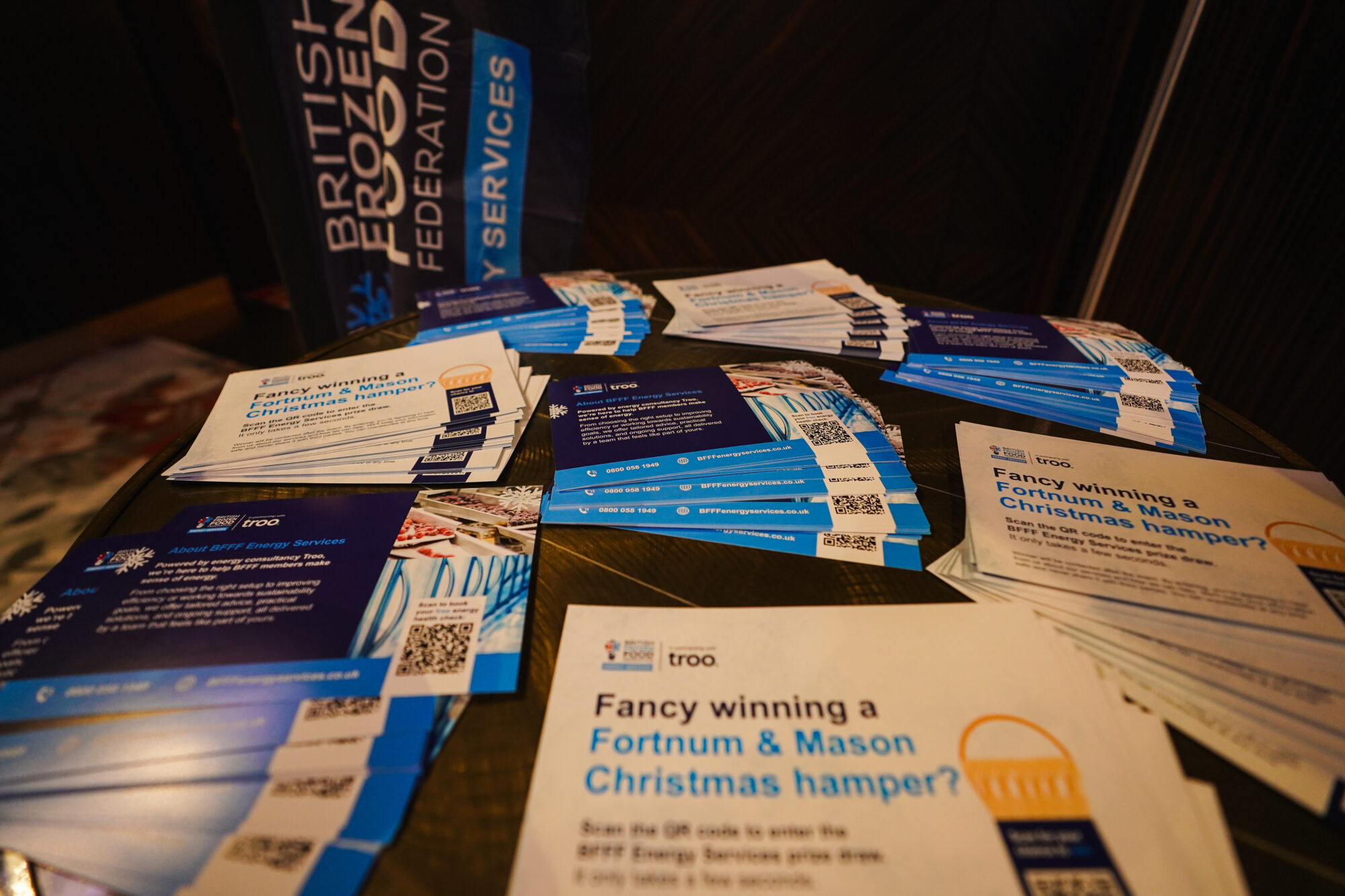
  • BFFF energy deals and rates
  • Vypr member deals and introduction
  • Defib Plus deals
  • Company Shop – membership
  • Mentor – MHE training health check

Exclusive access to networking opportunities and events:

  • Meet the Buyer events (retail & foodservice)
  • Annual Business Conference with networking dinner
  • Specialist H&S and Technical Conferences
  • Special interest groups (packaging, frozen food temperatures)
  • Annual Lunch
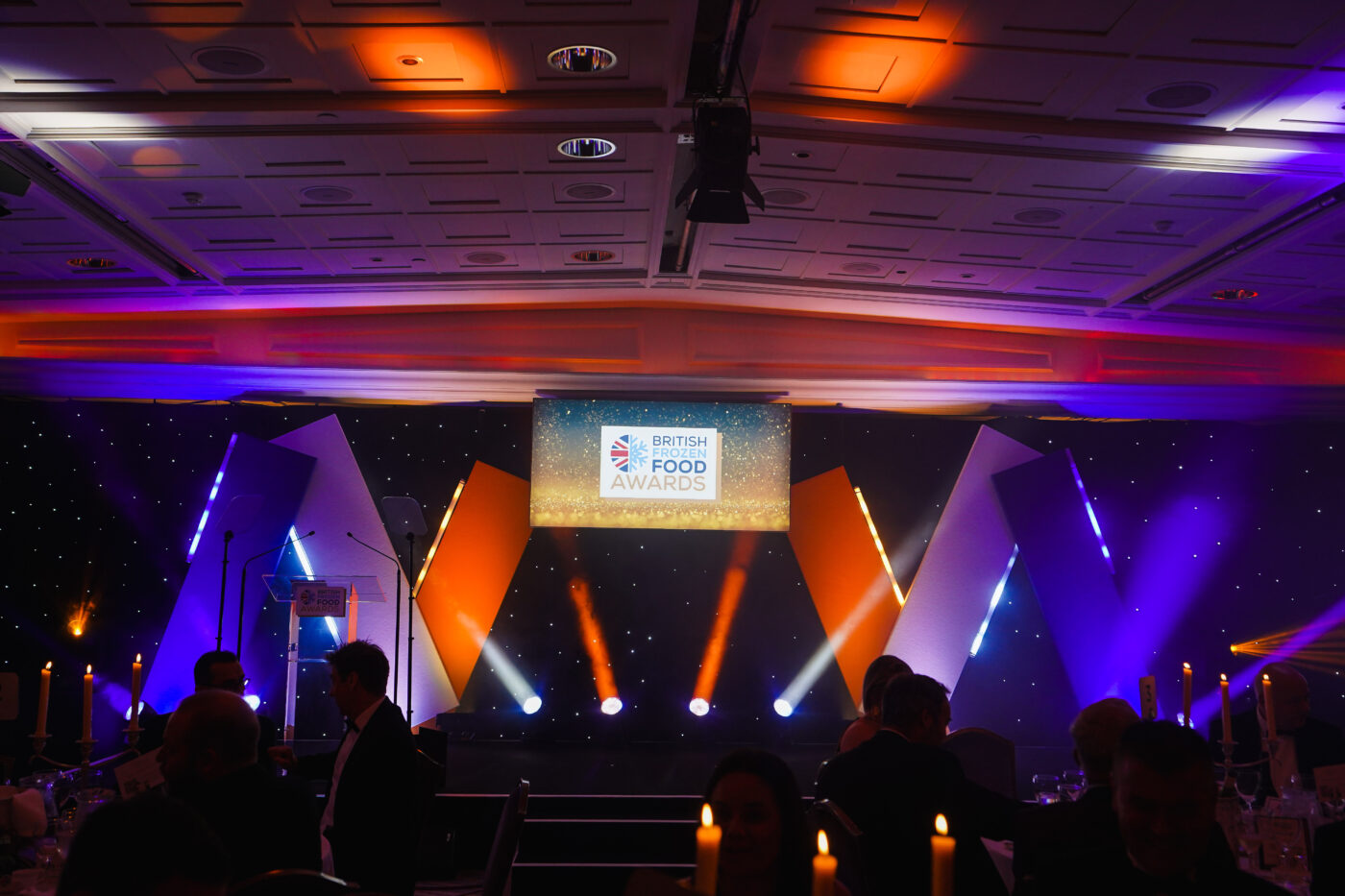
  • Awards Night
Upcoming Events More Events
Sponsorship Packages

We offer a range of sponsorship opportunities to BFFF members across our events throughout the year, with flexible packages that can be tailored to suit your business objectives.

Contact Us
British Frozen Food Federation Members Logo
what our members say...
  • Wakefield Council

    “What an amazing piece of work and indicative of how BFFF respond to the concerns of their members and make an impact on the whole industry sector.”

    See Full Quote

  • Sysco

    “You guys really ‘Do The Right Thing’ for the good of the industry”

    See Full Quote

  • Darta

    “The BFFF awards night is becoming an “appointment not to miss” on our calendar and we again enjoyed it immensely together with lots of well-known people from our industry. The…

    See Full Quote

  • Kantar Worldpanel

    “The Business Conference was an excellent day that was very well organised and allowed so many likeminded individuals in the room to learn so much more around the Frozen industry….

    See Full Quote

  • Lakeside Food Group Ltd

    “This Not For EU labelling situation alarmed us and quickly became a major worry to our business. These are times when you really rely on some support and from previous…

    See Full Quote

  • Meadow Vale Foods Limited

    “We had a few questions with respect to the new EPR waste packaging legislative changes. I know some of my colleagues have been assisted by BFFF in the past so…

    See Full Quote

  • Newberry International Produce Ltd

    “I am writing to express my heartfelt gratitude for the outstanding event you organised. I have only worked in this sector for the past nineteen months coming from twenty-five years…

    See Full Quote

  • Place UK Ltd

    “The BFFF 2024 Conference was compelling and thought provoking, with a many relevant and interesting topics covered at great pace and some depth by excellent speakers – will certainly attend…

    See Full Quote

  • Roswel Spedition GMBH

    “Thank you and the team for rushing around so brilliantly before, during and after the conference. It was pleasure to be part of the conference.”

    See Full Quote

  • Seara

    “The event was great, in my opinion. Not only it was very well organised, but the venue and the catering were excellent too. Furthermore, the content of the presentations was…

    See Full Quote

Website Designed & Built by we are CODA