Become a member

COVID-19 CONSUMER TRACKER WAVES 9 TO 12 REPORT PUBLISHED

The Food Standards Agency have now published the latest findings of their COVID-19 Consumer Tracker.

This monthly tracker monitors attitudes, experiences and behaviours of consumers in England, Wales and Northern Ireland in relation to food during the COVID-19 pandemic

Key findings include:

Food insecurity            

Concerns about food availability, food affordability and skipping meals for financial reasons were high in April 2020 but declined significantly in August 2020. They have since risen again to their current level in March 2021.

The proportion of respondents who reported use of food banks or charities also dropped in August 2020. Otherwise, this proportion has remained relatively stable across all waves.

Participants from larger households (4+), those in younger age groups (aged 16-24), and households with a child present were more likely to be ‘food insecure’, across all these measures of food insecurity.

Food purchasing, nutrition and food safety behaviours      

Trends in food purchasing, eating, food safety and hygiene behaviours in the home have remained stable. They are consistent since the tracker began in April 2020.

Consumer food concerns                

28% of respondents reported being concerned about the quality of food produced in the UK in March 2021, whilst 50% reported being ‘concerned’ about the quality of food imported from outside the UK. These were consistent across all collected waves.

In March 2021, 22% of participants reported having a concern about the food they eat at the moment. The biggest concerns selected by participants were:

  • the ‘healthiness’ of food in my diet (53%)
  • animal welfare (52%)
  • the ethical treatment of producers and farmers (50%)
  • food freshness (50%)
  • hormones, steroids or antibiotics in food (50%)

TITANIUM DIOXIDE: E171 NO LONGER CONSIDERED SAFE WHEN USED AS A FOOD ADDITIVE

EFSA has updated its safety assessment of the food additive titanium dioxide (E 171), following a request by the European Commission in March 2020.

After conducting a review of all the relevant available scientific evidence, EFSA concluded that a concern for genotoxicity of TiO2 particles cannot be ruled out. Based on this concern, EFSA’s experts no longer consider titanium dioxide safe when used as a food additive. This means that an Acceptable Daily Intake (ADI) cannot be established for E171.

Titanium dioxide (E 171) is authorised as a food additive in the EU according to Annex II of Regulation (EC) No 1333/2008.  The main food categories contributing to dietary exposure of E171 are fine bakery wares, soups, broths and sauces (for infants, toddlers and adolescents); and soups, broths, sauces, salads and savoury based sandwich spreads (for children, adults and the elderly). Processed nuts are also a main contributing food category for adults and the elderly.

EFSA’s evaluation is related to the risks of TiO2 used as a food additive, not to other uses.

EFSA is not banning the use of E171, their role was limited to evaluating the risks linked to titanium dioxide as a food additive. This included an assessment of relevant scientific information on TiO2, its potential toxicity, and estimates of human dietary exposure.

Any legislative or regulatory decisions on the authorisations of food additives are the responsibility of the risk managers (i.e. European Commision and Member States).

To read more, click here.

SESAME DECLARED AS AMERICAS NINTH MAJOR ALLERGEN

Sesame has become the ninth allergen to be regulated by the US Food and Drug Administration (FDA) after President Joe Biden signed the Food Allergy Safety, Treatment, Education and Research (FASTER) act into law in April 2021.

This new law won’t come into force for another 20 months, until 1 January 2023, to allow food businesses to prepare as they will now be required to indicate on food labels that a product contains sesame. Sesame has been a regulated allergen in the UK and EU for some time, but US legislation did not require it to be labelled on food until now.

It’s another big win for hypersensitive consumers, but it’s also another law for retailers and manufacturers to get their heads around and adjust to – and the sooner that process begins, the better the chance of achieving compliance across the industry.

CALORIE LABELLING ON MENUS TO BE INTRODUCED IN CAFES, RESTAURANTS AND TAKEAWAYS

In a drive by the Government to tackle obesity and improve the nations health, large businesses will be required to display calorie information on menus and food labels from April 2022. This move is part of the governments wider strategy to tackle obesity and will help people to make more informed and healthier choices when eating out or ordering takeaways.

The regulation was laid out in parliament earlier in May, requiring businesses with 250 or more employees in England, including cafes, restaurants and takeaways to display the calorie information of non-prepacked food and soft drink items that are prepared for customers. Within the Regulations, the government has a provision which permits businesses to provide a menu without calorie information at the express request of the customer. As a result, people who may find viewing calorie information more difficult may be able to avoid this information in certain situations when eating out.

The calorie information will be displayed at the point of choice for the consumer, on physical and online menus, food labels and also food delivery platforms.

The government plan to work with the food and drink sector and local authorities to ensure the regulations are implemented smoothly. They also claim that by enforcing this new regulation on larger businesses, It will not impact the smaller, independent businesses who might find the requirement difficult.

To read more, click here.

WRAPS FOOD WASTE ACTION WEEK SUCCESS

WRAP have recently reported on the success of their first Food Waste Action Week, which took place at the beginning of March 2021. The aim of the week was to raise awareness to citizens of the link between wasting food and climate change.

WRAP have confirmed that nearly half of those who saw the messaging for Food Waste Action Week (FWAW) 2021 have reported doing something different, or planning to in the future, to reduce food waste.

WRAP partnered with Nadiya Hussain, a celebrity chef, TV presenter and author, who helped to raise the profile of their awareness week and the impact food waste is having on our planet.

Spreading the message that ‘Wasting Food Feeds Climate Change,’ the Week set the British public a #FoodWasteActionChallenge to help reduce their household food waste. One in three UK adults heard or saw messaging about food waste during this first annual week of action, delivered by Love Food Hate Waste.

The BFFF and more than 135 other businesses and organisations gave their support during the week, helping to drive awareness nationwide through an array of public and social media activities. These activities generated more than half a billion opportunities to see the campaign across all channels, including PR circulation and viewership.

Plans are now underway for what Love Food Hate Waste confirms will be an annual event. Sarah Clayton, Head of Citizen Behaviour Change at WRAP, “Food Waste Action Week 2021 was an incredible success, especially considering the backdrop of the continuing pandemic. I thank all the businesses and organisations involved for their commitment during the Week, helping citizens make the link between climate change and wasting food.

“Wasting food is an issue that impacts us all, and we are all part of the problem. Our hope for this Week was to empower more people to be part of the solution – and it has. The fact that almost half of people who came across messaging about Food Waste Action Week have changed or plan to change their food waste behaviour is a great example of this. We are looking forward to making Food Waste Action Week 2022 an even greater success”.

EXTENDED PRODUCER RESPONSIBILITY SCHEME

As we have communicated many times in the weekly email, the Federation has been working over the last few weeks with the Special Interest Group on Packaging plus other trade bodies on a response to the Government Consultation on the Extended Producer Responsibility Scheme (EPR) that will replace the current PRN system.

This piece of proposed legislation will transfer a massive cost from central and local government to industry. The Consultation states this will be £2.7bn whilst other creditable sources suggest it could be as high as £3.5bn. Indeed, there are parts of the proposed scheme where we feel costs are too open-ended.

We have produced a word document which members can use to complete their own submission online.

We would ask all members to submit a response as we need to communicate to the Government that parts of the Consultation are unacceptable and will place a massive burden on industry whilst we are still reeling from Covid-19 and Brexit.

The deadline for responses is the 4th June.

The BFFF response to the Government consultation on Extended Producer Responsibility can be found here

If you have further queries please contact Jilly Wallis

Member Benefits

Exclusive Partnership deals on key products and services:

  • BFFF energy deals and rates
  • Vypr member deals and introduction
  • Defib Plus deals
  • Company Shop – membership
  • Mentor – MHE training health check

Exclusive access to networking opportunities and events:

  • Meet the Buyer events (retail & foodservice)
  • Annual Business Conference with networking dinner
  • Specialist H&S and Technical Conferences
  • Special interest groups (packaging, frozen food temperatures)
  • Annual Lunch
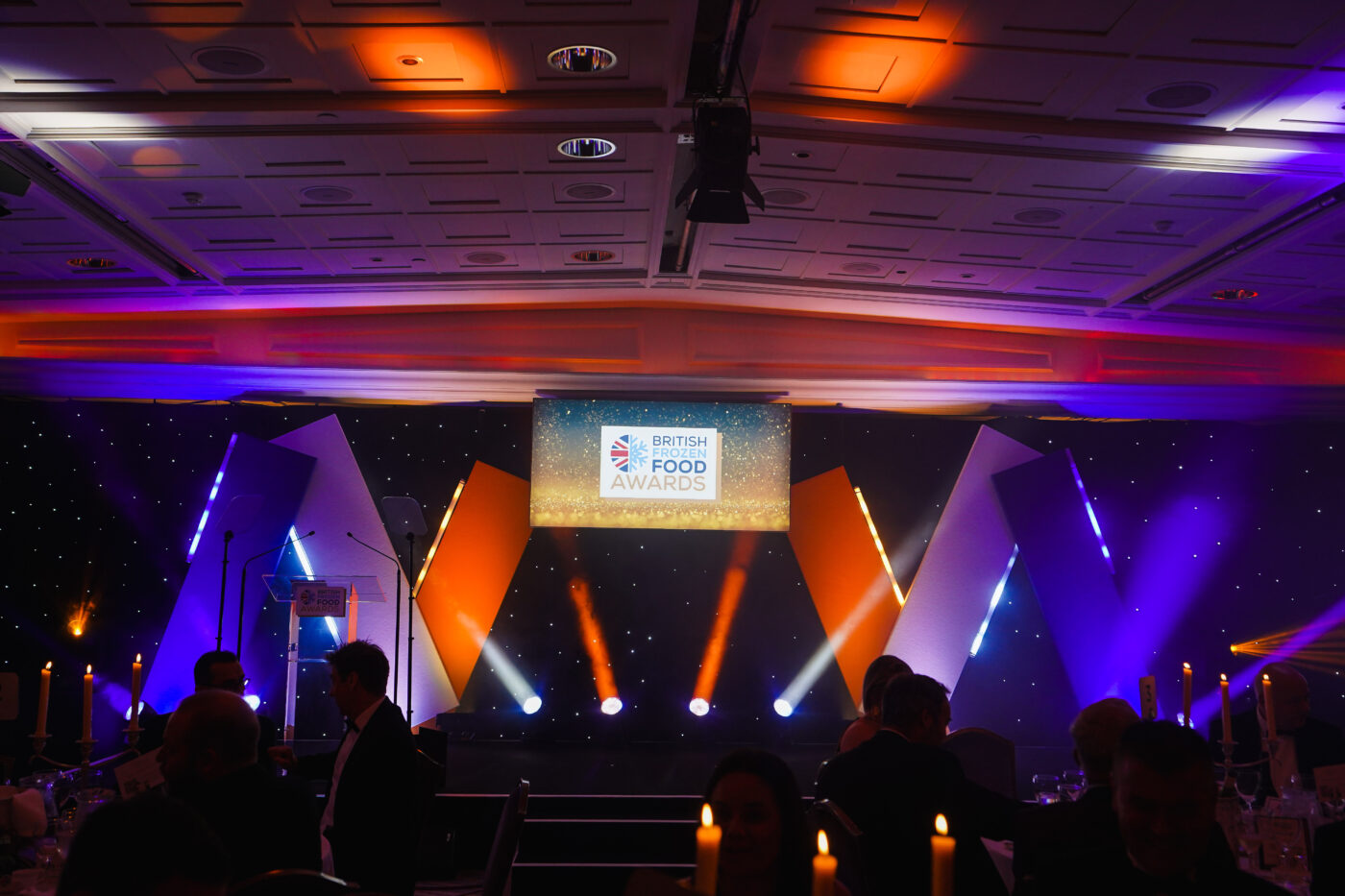
  • Awards Night
Upcoming Events More Events
Sponsorship Packages

We offer a range of sponsorship opportunities to BFFF members across our events throughout the year, with flexible packages that can be tailored to suit your business objectives.

Contact Us
British Frozen Food Federation Members Logo
what our members say...
  • Wakefield Council

    “What an amazing piece of work and indicative of how BFFF respond to the concerns of their members and make an impact on the whole industry sector.”

    See Full Quote

  • Sysco

    “You guys really ‘Do The Right Thing’ for the good of the industry”

    See Full Quote

  • Darta

    “The BFFF awards night is becoming an “appointment not to miss” on our calendar and we again enjoyed it immensely together with lots of well-known people from our industry. The…

    See Full Quote

  • Kantar Worldpanel

    “The Business Conference was an excellent day that was very well organised and allowed so many likeminded individuals in the room to learn so much more around the Frozen industry….

    See Full Quote

  • Lakeside Food Group Ltd

    “This Not For EU labelling situation alarmed us and quickly became a major worry to our business. These are times when you really rely on some support and from previous…

    See Full Quote

  • Meadow Vale Foods Limited

    “We had a few questions with respect to the new EPR waste packaging legislative changes. I know some of my colleagues have been assisted by BFFF in the past so…

    See Full Quote

  • Newberry International Produce Ltd

    “I am writing to express my heartfelt gratitude for the outstanding event you organised. I have only worked in this sector for the past nineteen months coming from twenty-five years…

    See Full Quote

  • Place UK Ltd

    “The BFFF 2024 Conference was compelling and thought provoking, with a many relevant and interesting topics covered at great pace and some depth by excellent speakers – will certainly attend…

    See Full Quote

  • Roswel Spedition GMBH

    “Thank you and the team for rushing around so brilliantly before, during and after the conference. It was pleasure to be part of the conference.”

    See Full Quote

  • Seara

    “The event was great, in my opinion. Not only it was very well organised, but the venue and the catering were excellent too. Furthermore, the content of the presentations was…

    See Full Quote

Website Designed & Built by we are CODA