Become a member

SCORE BIG WITH CHICKEN FIT FOR EUROPEAN CHAMPIONS

Football might not be coming home to Wales this summer but for fans of Scotland and England excitement will be at fever pitch for the upcoming Euro 2024 tournament in Germany!

As fans flock to their local pubs, bars and fan parks to watch the matches their attention will wander to what foods will best compliment their half time refreshments. Here at Meadow Vale we have you covered with an array of top quality added value frozen poultry lines ready to win big for your business.

Quickness & Quality

For many QSR’s, pubs and bars showing the football this summer the need to provide a decent food offering will become extremely important given the expected increased footfall whilst the matches are on. All of Meadow Vale’s top selling lines are quick cook from frozen meaning those of you looking to cater for more heads over the course of a 90-minute match can do so quickly and efficiently.

Our Homestyle Chicken range features everything you could need for the best footy grub going. From fillets and strips to shredded and bites, you can offer everything from delicious chicken burgers and loaded fries to sharing platters of chicken strips and dips that everyone can get involved with.

As well as the tried and tested pub grub you could also look to go down the route of enticing punters in with a great offer. Beer and wings would do the trick, and all of our Meadow Vale wings can be deep fried in a matter of minutes allowing you to offer up 3 unique flavours of BBQ, standard Hot & Spicy and Crispy Hot Wings to hungry football fans.

Authentic Menu Ideas

One way to draw a crowd and increase food sales during the tournament is to offer something unique to the teams that are playing or more simply to the country that is hosting. With this year’s tournament being played in stadiums all over Germany you could use our Meadow Vale Crispy Chicken Schnitzel to add some Deutsche delights to your menu.

This mouthwatering 200g flattened breast fillet will allow you to serve a traditional Schnitzel with fries and gravy or you could get creative and include it in a chicken burger topped with fresh salad and some sauerkraut! The opportunities to tweak your menus for this 5-week football frenzy are endless, it’s all about knowing your audience and catering accordingly.

The Rise Of The Fan Park

Over the past few tournaments we’ve seen a sharp rise in the amounts of pop-up fan parks that are created with the sole purpose of drawing large crowds of fans to one place with the goal of maximising food and drink sales over the course of the match.

If you’re a food truck operator working at one of these venues this summer then you too can maximise on profits by using Madow Vale produce. Chicken is the UK’s favourite protein, so ensure you have at least one offering that will satisfy the crowds.

Not only can all our Homestyle and Meadow Vale chicken lines be deep fried but they also quick cook from frozen in combi ovens, merry chef’s and pizza ovens too, ensuring whatever your set-up you’ll be covered come peak periods of trading.

Don’t Miss The Target

As we head to the business end of the preparation phase for this bumper summer of footballing action if you have any questions about how Meadow Vale products can score you a winner then please just reach out to our development chef via our online contact form or call us on 01978 666100.

We can help you with everything from designing menu ideas and providing imagery for your socials and menus to promote the new meals. There’s an open goal right in front of you to have a great start to your summer trading period, so get your head down, aim straight and hit the back of the net with Meadow Vale today!

EMISSIS: CLIMATE CHANGE: AND THE FOOD INDUSTRY (H1)

First Published: https://emissis.co.uk/2024/05/01/climate-change-food-industry/

Climate change is an existential crisis with far-reaching consequences in various sectors, including the food industry. This industry is integral to human survival but is also a significant contributor to environmental degradation. With a rapidly expanding global population, the pressure to increase food production intensifies, threatening to exacerbate climate-related issues. This article delves into how climate change is reshaping the food industry and underscores the importance of transitioning to sustainable food production.

“Climate change poses an “existential threat” to life on Earth” Phys.org

The ramifications of climate change on the food industry are profound and multifaceted. Fluctuations in climate patterns lead to unpredictable growing seasons, which challenge traditional agricultural calendars and practices. These changes reduce crop yields and lead to the proliferation of pests and diseases, further endangering food security.

Climate change also exacerbates resource scarcity, making water an increasingly precious commodity. As droughts become more prevalent, competition for water resources intensifies, affecting the quantity and quality of food produced. This situation is particularly dire for regions already water-stressed, where farmers must decide which crops to prioritise and how to sustain their herds.

The adverse effects of climate change do not affect all farmers equally. Small-scale and subsistence farmers are especially vulnerable to the whims of the climate. Many of these farmers lack the resources or insurance to recover from crop losses or damage to their property caused by extreme weather events. The resulting economic instability can increase poverty and hunger, further exacerbating social and economic disparities.

Moreover, as climate change disrupts traditional farming practices, there is an urgent need to support farmers in adopting more resilient agricultural methods. Support can include access to education, resources, and technology to help them adapt to the changing environment.

The industrialised food system and its reliance on synthetic fertilisers, pesticides, and fossil fuels are unsustainable and a significant contributor to climate change. Modern agriculture, from farm machinery to food processing and distribution, is energy-intensive and produces substantial greenhouse gas emissions. To mitigate the industry’s impact on the planet, we must completely rethink how we produce and consume food.

The globalisation of the food industry has led to a system where the average meal travels thousands of miles from farm to plate, contributing to a significant carbon footprint. By prioritising locally grown food, we can reduce emissions associated with transportation and provide consumers with fresher, more nutritious options.

Local food systems are inherently more agile and can quickly adapt to changing local conditions, which is paramount in the face of climate instability. These systems also encourage the preservation of local varieties and farming techniques, which can improve the local environment. We can ensure a more personalised and secure food supply chain by fostering local food economies.

Challenges Facing UK Food Retailers (H2)

In 2008, the United Kingdom passed a pivotal legislation called the Climate Change Act. This ground-breaking act mandated that the UK reduce greenhouse gas emissions by at least 80% by 2050 compared to 1990. The implications of this act are far-reaching, particularly for industries like food retail that traditionally have a significant carbon footprint.

The term “carbon footprint” refers to the total greenhouse gas emissions caused by an individual, event, organisation, service, or product, expressed as carbon dioxide equivalent.

The Climate Change Act has catalysed change within the UK food retail sector, spurring a shift towards sustainability that benefits the environment.

To meet the stringent requirements, UK retailers have had to re-evaluate and take action to reduce emissions from their operations, from energy and refrigerants in their supermarkets to fuel used in transportation (Scope 1 and 2 emissions); these are significant but controllable sources of greenhouse gas emissions from the food system.

As the deadlines set by the act approach, UK food retailers need to continue to innovate and integrate sustainable practices into every aspect of their operations. This means reducing emissions arising from their entire value chain (Scope 3 emissions), the upstream supply chain, and downstream activities, such as the use and disposal phases, beyond the direct and energy emissions covered within Scopes 1 and 2. Scope 3 emissions are usually retailers’ most significant source of greenhouse gas emissions.

The WWF Basket tracks a range of climate data submitted by food retailers, including Scope 1, 2 and 3 emissions.

In 2022, Co-Op, M&S, Sainsbury’s, Tesco and Waitrose signed a new commitment to drive action to tackle scope 3 emissions through their supply chains. Find out more about WWF’s Retailers Commitment for Nature – Climate Action here.

Greener Practices for Food Retailers (H2)

There are a number of green initiatives that can be adopted by retailers to lessen their carbon footprint. These include: Energy Efficiency: Investment in energy-efficient lighting, refrigeration, heating and air conditioning systems to reduce power consumption.

Waste Reduction: Minimising food waste through better inventory management and donating unsold but edible food to charities.

Sustainable Sourcing: Sourcing products from suppliers that practice sustainable farming and production methods.

Recycling Programs: Improving recycling facilities and encouraging customers to recycle packaging materials.

More information can be found in our article The Environmental Impact Of Energy Consumption In Food Manufacturing

Advantages of Adopting Greener Practices (H2)

Aside from meeting legislative requirements, there are several advantages for food retailers to adopt green practices:

Customer Loyalty: Consumers are becoming increasingly environmentally conscious, and retailers that demonstrate a commitment to sustainability can build customer loyalty.

Cost Savings: Energy-efficient technologies can lead to significant cost savings in the long term.

Brand Image: Being recognised as an environmentally responsible business can enhance a retailer’s brand image and competitive edge.

Food Chain Technology Innovations (H2)

Technology facilitates the development of alternative food sources, such as lab-grown meat and vertical farming, which could dramatically reduce the ecological footprint of food production. These innovations have the potential to provide sustainable protein sources and fresh produce even in urban environments, thereby reducing the need for extensive land use and long-distance transportation.

Technology also empowers consumers to make informed decisions about their food. Through apps and online platforms, individuals can trace the origin of their food, learn about the farming practices used, and understand the environmental impact of their dietary choices. By providing transparency and information, technology bridges the gap between consumers and producers, fostering accountability and encouraging more sustainable consumption patterns.

Social media and digital marketing have given rise to a new wave of consumer activism, where individuals can advocate for sustainable food practices and influence industry trends. As consumers become more vocal and connected, their collective choices can drive significant change in the food industry, pushing it towards more environmentally friendly and ethical practices.

Conclusion

Since the Climate Change Act set out the target of reducing greenhouse gas emissions by 80% by 2050, the cost of electricity has risen from 5.37 pence per kW in 1990 to 10.72 pence in 2020, placing additional pressure on food retailers.

Climate change poses a significant threat to our food system. Still, technological advancements, new tools, and insights are now available to help retailers achieve Scope 3, reduce energy costs, and forge a sustainable food system for all.

LEADING OCCUPATIONAL HEALTH PROVIDER LATUS GROUP, MEMBERS OF THE BFFF AND AIMING TO SUPPORT THE FOOD MANUFACTURING SECTOR IN REDUCING ABSENTEEISM AND IMPROVING THEIR COLLEAGUES HEALTH AND WELLBEING

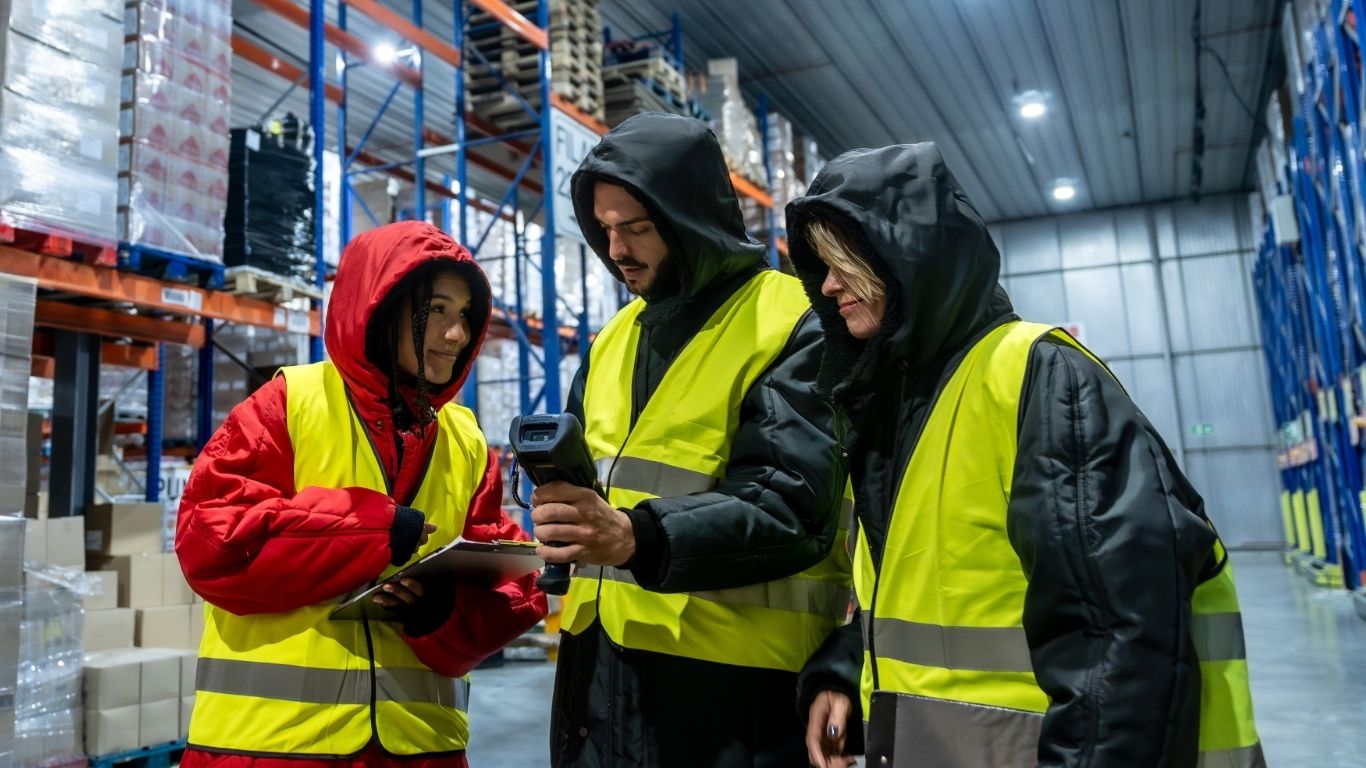
Every year 19,000 workers within the food manufacturing industry suffer from ill health that is either caused by, or worsened by their employment. That’s nearly 5% of the entire workforce within the industry!

With an extensive nationwide presence & specific knowledge & experience in this sector, Latus Group is one of the UK’s leading occupational health providers and is passionate about increasing awareness of the benefits of occupational health provisions in the workplace.

Occupational Health services prevent sickness-related job losses and helps businesses better support those returning to work after a period of ill-health.

Did you know? Health Surveillance is required by law. Latus Group support you and provide guidance to ensure your company remains compliant and keeps your employees protected.

  • Skin Surveillance
  • Audiometry (Hearing)
  • Spirometry (Lung Function)
  • Musculoskeletal (MSK)
  • Vision Assessments
  • Hand Arm Vibrations (HAVS)
  • Occupational Health
  • Pre-employment assessments
  • Drug and Alcohol Testing
  • Safety Critical Medicals for Forklift, HGV drivers

Latus Group has an extensive nationwide presence with the UK’s largest fleet of specialist health surveillance technicians and the ability to visit hundreds of sites per day around your availability. From face-fit testing to health surveillance to well-being checks, Latus Group can help you protect your employees and your business. We can work with you to formulate a bespoke plan for your business, addressing issues that are specific to your business, your employees, and your industry.

What are the main causes of occupational ill-health in food manufacturing?

MSK Disorders

Work related upper limb disorders (WRULDs) are prevalent in the food manufacturing industry, and they account for 23% of cases of occupational ill-health. Chronic back pain is a common side effect of repetitive movement and/or awkward postures and lifting.

Occupational Asthma

As much as 33% of food industry compensation cases under the Department of Work and Pensions Industrial Injuries Scheme comes from occupational asthma. These cases are generally related to flour and bakery dust.

Dermatitis

Nationally, 10% of all people with dermatitis that is caused or made worse by their work are within the food manufacturing industry.

Noise

Exposure to noise in manufacturing is common, and under the Control of Noise at Work Regulations act 2005, employers are required to put measures in place to protect their employees.

Work-related stress

Statistics show food manufacturing has the highest number of cases of stress, depression and anxiety compared to any other manufacturing sectors.

Latus Group have testimonials and case studies from organisations in this sector regarding how they have helped their partners in this sector make positive changes to these figures within their business. To find out more about how Latus Group can support you, please get in touch with our team today by clicking here https://info.latusgroup.co.uk/bfff


**2024 Flu Clinic**

In addition, Latus Group offer the most efficient, cost effective, model of delivery of the Flu vaccination within the Occupational Health sector:

With the NHS reporting three times more flu patients during the 23/24 flu season than the previous year, the demand for protection against the flu is at an all-time high.

Forward-planning is critical to ensure the protection of your staffs workplace health, therefore Latus Group has recently opened their 2024 Flu Clinic, taking bookings for the forthcoming 2024 winter season. For those who book in advance, we’re also offering a 10% early bird discount.

Alternatively, Digital vouchers are also available to purchase and available at over 12 participating pharmacies.

If you are interested in booking flu vaccinations for your employees, click here https://info.latusgroup.co.uk/flu-clinics-24-bfff

ELECTRIC VEHICLES CAN PROVIDE COST SAVINGS FOR SMES BUT CHARGING CONCERNS REMAIN

Small and medium sized business can benefit from the same cost advantages of electric vehicles (EVs) as larger fleets, but many still have concerns about how long they take to charge.

A new report found that a typical small business could recoup the inflated upfront costs of buying an EV within three years.

More than a third of business owners surveyed as part of the research stated that charging times was the biggest barrier for adoption, however.

For small vans, the report estimates that the total costs of adopting an electric vehicle and operating it for three years average £55,730 for a typical sole trader. These costs encompass the purchase of the vehicle and a charge point and three years’ worth of depreciation, recharging costs, and maintenance.

The analysis concludes that would be almost £12,000 cheaper than an equivalent petrol or diesel vehicle.

For a large fleet, with 1,000 vehicles, the operating costs for EVs would be £55 million, a saving of £11 million.

The analysis recognises that there are large upfront costs to purchasing a fleet of EVs but concludes that these can be offset over time by lower refuelling costs, among other factors.

It states that the existence of such upfront costs can be sufficient for drivers to delay the switch between petrol or diesel vehicles and their electric counterparts. This sentiment was captured via a bespoke survey.

When asking respondents that do not currently drive an electric van about their reasons for doing so, the upfront purchase cost was the second-most commonly cited option, being selected by 37.7% of the sample.

Also of note was the relationship between business size and electric van adoption. There was a generally positive relationship between business size and the likelihood of having already adopted an electric van. For instance, just 2.2% of sole traders in our sample stated that they currently drive an electric van, while 13% of those at large enterprises reported usage.

There were other commonly cited barriers among those who have not yet switched to a fully electric van. The most common response was charging time, which was selected by 38.1% of those yet to switch.

Concerns over vehicle range or battery life was the third most commonly cited barrier across the whole sample, selected by 31.7% of those to have not yet switched to an electric van, while availability of public charging infrastructure was selected by 29% of respondents.

Despite the barriers to current adoption, those yet to switch to an electric van were largely positive about their plans to do so within the next five years. Amongst those yet to switch, a majority (58.6%) said that they were at least somewhat likely to switch to an electric van over the next five years. Within this figure, 15% said that they would definitely switch.

NEW EXPORT HEALTH CERTIFICATES REQUIRED FOR CERTAIN POAO FOR EXPORT TO EU/IRELAND

Defra have published new Export Health Certificates (EHC) for Products of Animal Origin (POAO) intended for human consumption, for export to the European Union (EU), movement to Northern Ireland or transit through the EU to a third country. The amended EHCs have been published on EHC Online (EHCO) and traders can begin to use the new POAO EHCs for export from GB.

A list of the EHCs published can be found below in Annex I below.

Key Timelines:

  • From 31 May 2024 – traders can use the new POAO EHCs for export from GB.
  • Between 15 June 2024 and 15 September 2024, the existing/old EHCs can continue to be used, where the certificate has been issued no later than the 15 June 2024. This authorisation is applicable for entry into the EU or for transit through the EU to a third country.

If certifiers hold blocks of the old EHCs, they must have been issued before 15 June 2024 or they will not be accepted by EU Border Control Posts. Any certificates not signed before this date will need to be cancelled on EHCO.

Further Information APHA’s Centre for International Trade – Carlisle, email: exports@apha.gov.uk Telephone: 03000 300 201

Annex I

Click here to view

FSA WARN OF IMPORTS NOT MEETING UK FOOD LEGISLATION

The FSA have asked that we share with members, a letter they have sent to importers regarding foods that do not conform with UK food legislation. Please see below.

We are writing to you, as an importer and food business operator, over concerns that the Food Standards Agency (FSA) have in relation to some food and drink products imported from outside of Great Britain (GB).

We have reason to believe that a number of imported products are not formulated for the GB market and may contain unauthorised additives or may not comply with GB food information requirements, meaning consumers could be at risk from:

  • missing/incorrect allergen labelling,
  • the inclusion of ingredients that don’t meet GB food safety standards,
  • the inclusion of ingredients that are not permitted for use in GB, and /or
  • food additives at levels that exceed the permitted maximum use level in GB.

The attached Annex 1 provides a list of examples of unauthorised additives and potentially non-compliant products where these additives are commonly found. These have been identified through import surveillance sampling and the occurrence of food incidents.

Non-compliant products must not be placed on the GB market, and we are working with local authorities to tackle offending behaviour to ensure such products are removed from the market and potentially destroyed.

We would like to remind you of your responsibilities as an importer under food law – please see Annex 2 for the relevant legislation. Failure to comply with legal requirements is an offence and may lead to enforcement action, including destruction of non-compliant imported goods. Supplying non-compliant food products can lead to financial, legal and reputational risks for a business, who may be required to recall and withdraw products from the market, risk breaching business contracts and in instances where an allergen fatality occurs, risk being the subject of a criminal investigation.

If you have any queries, please contact the Trading Standards or Food Safety team at your local authority.

Member Benefits

Exclusive Partnership deals on key products and services:

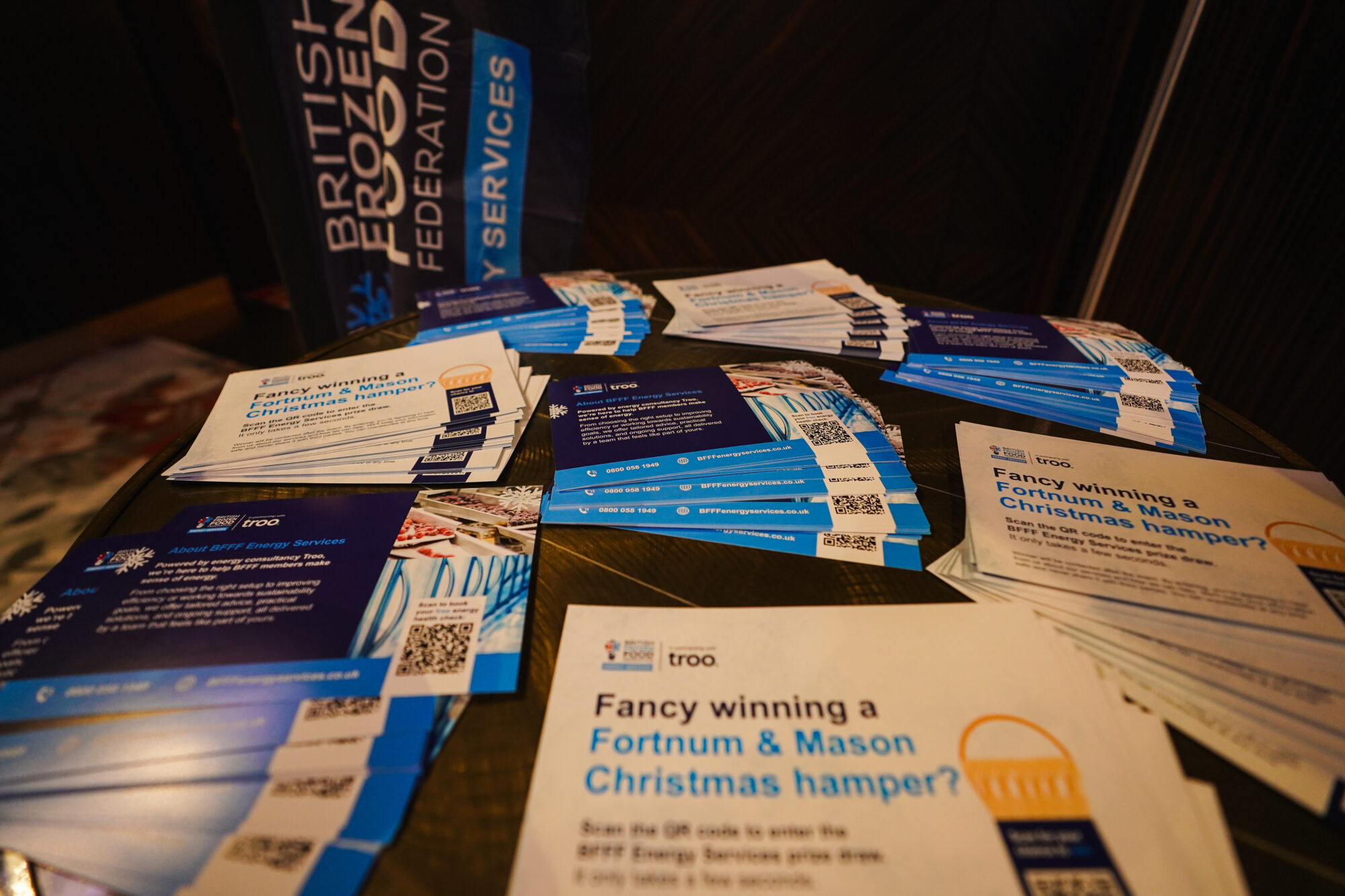
  • BFFF energy deals and rates
  • Vypr member deals and introduction
  • Defib Plus deals
  • Company Shop – membership
  • Mentor – MHE training health check

Exclusive access to networking opportunities and events:

  • Meet the Buyer events (retail & foodservice)
  • Annual Business Conference with networking dinner
  • Specialist H&S and Technical Conferences
  • Special interest groups (packaging, frozen food temperatures)
  • Annual Lunch
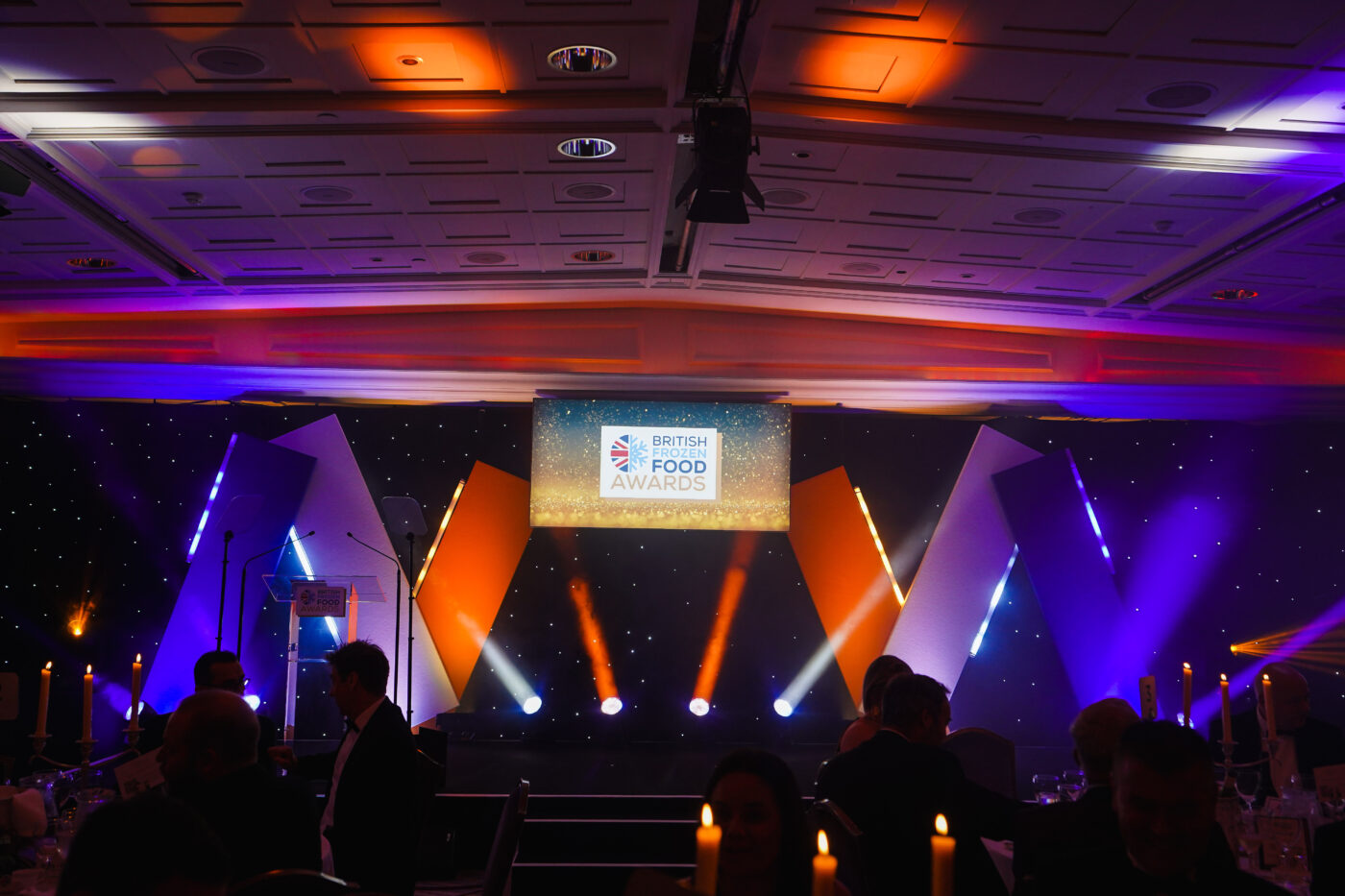
  • Awards Night
Upcoming Events More Events
Sponsorship Packages

We offer a range of sponsorship opportunities to BFFF members across our events throughout the year, with flexible packages that can be tailored to suit your business objectives.

Contact Us
British Frozen Food Federation Members Logo
what our members say...
  • Wakefield Council

    “What an amazing piece of work and indicative of how BFFF respond to the concerns of their members and make an impact on the whole industry sector.”

    See Full Quote

  • Sysco

    “You guys really ‘Do The Right Thing’ for the good of the industry”

    See Full Quote

  • Darta

    “The BFFF awards night is becoming an “appointment not to miss” on our calendar and we again enjoyed it immensely together with lots of well-known people from our industry. The…

    See Full Quote

  • Kantar Worldpanel

    “The Business Conference was an excellent day that was very well organised and allowed so many likeminded individuals in the room to learn so much more around the Frozen industry….

    See Full Quote

  • Lakeside Food Group Ltd

    “This Not For EU labelling situation alarmed us and quickly became a major worry to our business. These are times when you really rely on some support and from previous…

    See Full Quote

  • Meadow Vale Foods Limited

    “We had a few questions with respect to the new EPR waste packaging legislative changes. I know some of my colleagues have been assisted by BFFF in the past so…

    See Full Quote

  • Newberry International Produce Ltd

    “I am writing to express my heartfelt gratitude for the outstanding event you organised. I have only worked in this sector for the past nineteen months coming from twenty-five years…

    See Full Quote

  • Place UK Ltd

    “The BFFF 2024 Conference was compelling and thought provoking, with a many relevant and interesting topics covered at great pace and some depth by excellent speakers – will certainly attend…

    See Full Quote

  • Roswel Spedition GMBH

    “Thank you and the team for rushing around so brilliantly before, during and after the conference. It was pleasure to be part of the conference.”

    See Full Quote

  • Seara

    “The event was great, in my opinion. Not only it was very well organised, but the venue and the catering were excellent too. Furthermore, the content of the presentations was…

    See Full Quote

Website Designed & Built by we are CODA