Become a member

FSS PUBLISH PREPACKED FOR DIRECT SALE TOOLKIT

Food Standards Scotland (FSS) have recently published a prepacked for direct sale (PPDS) legislation partner toolkit.

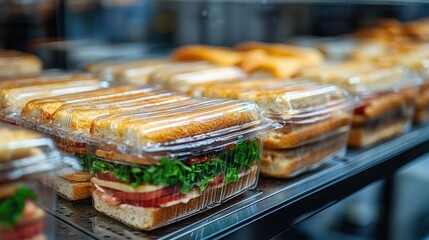
To align with the rest of the UK, new legislation was introduced in Scotland in October 2021 which now requires all food businesses to include the product name and full ingredients list on food sold prepacked for direct sale (PPDS).

This legislation sets out to improve information about allergens and other ingredients in food prepared and packed in advance, mainly at the same place where it’s sold, before being offered to consumers.

The toolkit has been updated so businesses can see how they may be affected, and the actions needed to ensure they are compliant. It also highlights a free MenuCal tool which will support businesses across Scotland with providing the required ingredient and allergen information for all food prepacked for direct sale.

Access the toolkit here

FAO AND WHO EXPERT MEETINGS ON FOOD ALLERGENS AND REFERENCE DOSES FOR GLUTEN

At the request of Codex, FAO and WHO recently held a series of expert meetings on the risk assessment of food allergens since 2020. Links to the meeting reports have now been published here, which include:


Part 1: Review and validation of Codex Alimentarius priority allergen list through risk assessment

Part 2: Review and establish threshold levels in foods for the priority allergens

Part 3: Review and establish precautionary labelling in foods of the priority allergens

Part 4: Review and establish exemptions for the food allergens

Part 5: Review and establish threshold levels for specific tree nuts (Brazil nut, macadamia nut or Queensland nut, pine nut), soy, celery, lupin, mustard, buckwheat and oats.


Also, in response to the request from Codex for scientific advice on reference dose (s) (RfDs) and concentration for cereals containing gluten and gluten, FAO and WHO are convening a consultation between recently recruited experts to provide a recommendation on the level of RfDs and concentration for cereals containing gluten and gluten. The following areas are to be considered:


  • What is the RDs for cereals containing gluten/gluten below which majority of consumers with coeliac disease would not experience an adverse reaction?
  • Is there sufficient data available to establish RDs? If not, what is needed?
  • What RDs are associated with low, intermediate or high risk for adverse health reactions?
  • Is there an acceptable level of adverse reactions which do not negatively impact public health?
  • Review the current level for gluten free depending on the outcome
  • How can the reference dose(s) be used by food business operators to determine:
    • Which cleaning procedures remove gluten/cereals containing gluten to a level that prevents or minimises the risk to the majority of consumers with coeliac disease from cross-contact?
    • Whether an ingredient that contains a low level of gluten or a cereal containing gluten (e.g. an ingredient with a PAL) warrants control of its use to prevent or minimise cross-contact.
  • What are appropriate analytical methods for testing food and surfaces?


The meeting was timetabled to take place in the fourth quarter of 2025. We will keep members updated.

ALLERGY UK REITERATES CALL FOR ACTION ON FULL INGREDIENT LABELLING

Allergy UK  has reiterated its call for full ingredient labelling on all food products after researchers highlighted additional allergens which they say should be listed, over and above those currently required by UK law.

Food packaging in the UK and EU already lists the most common 14 allergens people should be aware of such as egg, peanuts and milk.

However, at least four more could be added to the mandatory risk list say experts, following a study reported in the Journal Clinical & Experimental Allergy.

Lead investigator Dr Dominique Sabouraud-Leclerc, from the Allergy Vigilance Network, points to evidence of increased reactions to a wider range of foods. Her team has pushed for their findings to be included in the EU’s allergen risk list.

The foods the researchers argue should be added to the list are:

  • goat or sheep milk
  • buckwheat
  • peas and lentils
  • pine nuts.

The Allergy Vigilance Network reviewed food-induced anaphylaxis cases reported in Europe between 2002–2023, analysing nearly 3,000 cases, of which 413, including two deaths, are believed to have been caused by one of the eight emerging food allergies. In total, researchers found that emerging food allergies were responsible for 413, (approximately 14%) of reported cases.

Read more about the call for action here

EFSA PUBLISH REVIEW OF MICRO- AND NANOPLASTIC RELEASE FROM FOOD CONTACT MATERIALS

The European Food Safety Authority (EFSA) recently published a ‘Literature review on micro- and nanoplastic release from food contact materials during their use’.


This structured literature review was carried out on studies published between 2015 and 20th January 2025. It identified 1711 publications of which 122 were selected for data extraction. Eight additional publications were added to provide more context. Most studies concerned microplastics, while data on nanoplastics were almost entirely absent.


The objective of the review was to look for evidence of micro- and nanoplastics (MNP) release during the use of Food Contact Materials (FCMs).


Whilst reported findings were shown to have been strongly influenced by weaknesses in test conditions or sample preparation, the most robust data suggested that the release of micro plastic is mainly caused by mechanical processes, such as abrasion, friction of FCMs (e.g. opening/closure of caps and of storage, sealing bags, capping, mill grinding), with aging and material structure acting as potential amplifying factors such as embrittlement from UV/sunlight exposure.


Additionally, some materials with open or fibrous structures (e.g. woven or non-woven synthetic and natural fibres, such as tea bags) are prone to releasing/detaching fibres or fragments, especially under conditions of temperature-induced ‘softening/swelling’ of fibrous networks and mechanical stress such as agitation.


In view of the findings the review concluded that despite the uncertainties, the extent of the actual particle release is much lower than the results presented in many of the reviewed publications. Therefore, there is no sufficient basis at this stage to estimate MNP exposure from FCM during their uses. Several recommendations are also made regarding identified gaps and related future research needs


You can read the review in full here

BUDGET REACTION FROM THE BRITISH FROZEN FOOD FEDERATION – ‘A MISSED OPPORTUNITY’

“This budget was a moment when BFFF members had hoped to see support for their businesses from the government. At a time of high food inflation, rising employment costs and poor growth, it feels like a missed opportunity to encourage and inspire frozen food businesses when confidence is already fragile.

“Our latest membership research makes the scale of that fragility clear. A third of frozen food businesses have already reduced their workforce in response to the increases in National Insurance and the National Minimum Wage over the past year, with reductions ranging from modest adjustments to one business that has cut its workforce by almost half and closed four sites.

“Nearly half are now reducing staff organically by maintaining a recruitment freeze, while others are seeking to manage costs by accelerating automation plans and reassessing capital investment. Members also tell us they are suspending planned projects, placing tighter conditions on suppliers and considering extended payment cycles simply to absorb the pressures they already face.

“Against this backdrop, today’s announcement offers little sense of relief or encouragement.

“The announcement of funding to make training for apprentices under 25 free for small and medium-sized businesses is to be welcomed. However, the overall increases in minimum wages, especially for teenagers, could create unintended difficulties for young people looking for their first job.

“Equalising wages between younger and more experienced workers makes it harder for businesses to justify employing a very young person. Employers who are already under strain may opt for a candidate with more experience if both come at similar cost, risking reducing opportunities for young people at precisely the moment they need them most. This will inevitably hit the hospitality industry and food industry harder than some, as they rely on seasonal labour for food harvest, production and events.

“The frozen food sector is resilient, innovative and central to the UK’s food security, but it cannot continue to shoulder rising costs without consequences. Today’s budget offered a chance to give businesses renewed confidence to invest, grow and create jobs. Instead, many of our members will see it as more pressure layered on top of those they are still managing from last year.”

Rupert Ashby, CEO of the British Frozen Food Federation:


CALL FOR MEMBERS TO SUPPORT PhD PROJECT ON RAISING FROZEN FOOD TEMPERATURES

Building on recent work on increasing frozen food storage temperatures, the BFFF are proud to support Wasana Gunathilaka as she begins her PhD at London South Bank University, looking at the ‘Impact of raising frozen food temperature by 3oC on cold chain sustainability’.

Addressing a long-standing evidence gap, the primary aim of the project is to establish a robust, scientific basis for determining whether frozen foods can be stored safely, sustainably, and with acceptable quality at slightly higher temperatures than the current –18°C standard.

The project will examine real-world temperature practices across the UK frozen supply chain, quantify the potential energy and carbon reductions from elevated set-points, and evaluate detailed product-level quality responses including, for example, Vitamin C retention, textural and structural changes, and shelf-life implications.

In doing this work, it will provide the frozen food sector with clear, practical, and science-driven recommendations.

But we need your help!

To achieve this, Wasana is seeking collaboration from industry partners to help build a detailed understanding of current storage and distribution practices, the time products typically remain in the frozen chain, and the temperature fluctuations they experience.

She would also welcome perspectives on the adaptation needs that might arise in logistics, storage, and packaging at elevated temperatures.

In return, collaborators will gain early access to research findings on the quality impacts of raising frozen food temperature, opportunities to explore reductions in energy use, emissions, and operational costs, and recognition as contributors with the chance to influence the future direction of sustainable cold chain practices.

To find out more about this exciting project, and how to become involved, please click HERE

Member Benefits

Exclusive Partnership deals on key products and services:

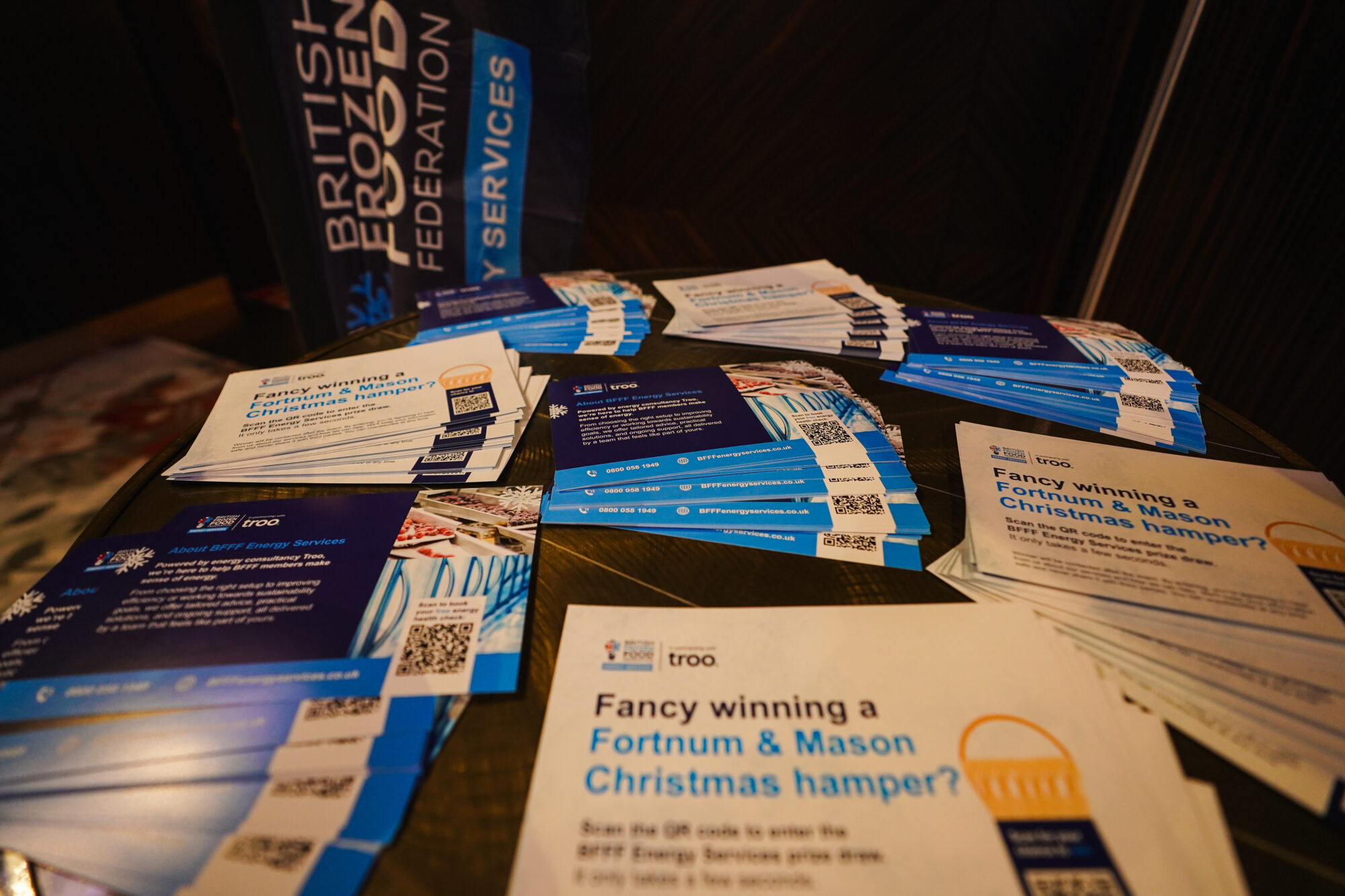
  • BFFF energy deals and rates
  • Vypr member deals and introduction
  • Defib Plus deals
  • Company Shop – membership
  • Mentor – MHE training health check

Exclusive access to networking opportunities and events:

  • Meet the Buyer events (retail & foodservice)
  • Annual Business Conference with networking dinner
  • Specialist H&S and Technical Conferences
  • Special interest groups (packaging, frozen food temperatures)
  • Annual Lunch
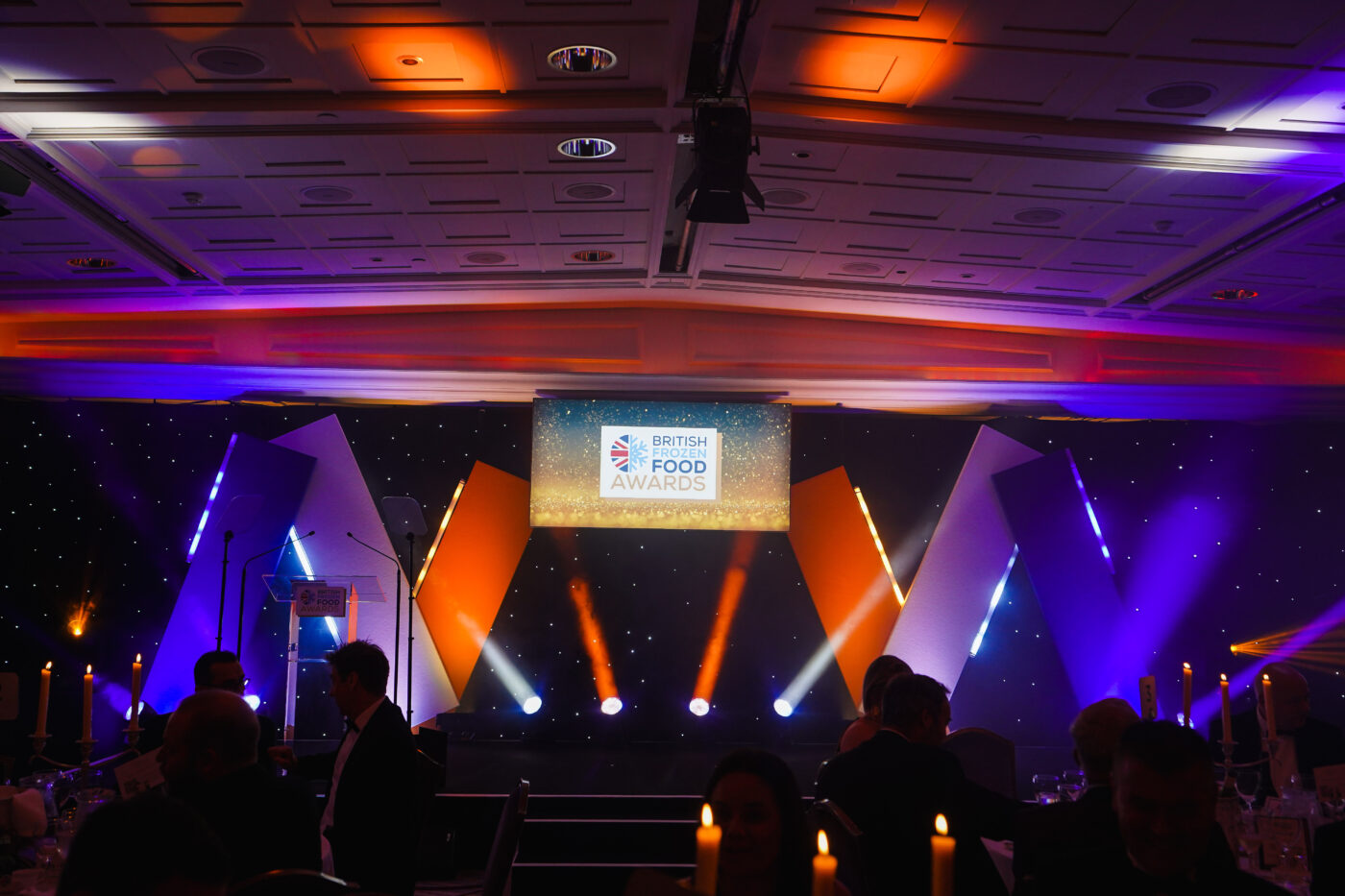
  • Awards Night
Upcoming Events More Events
Sponsorship Packages

We offer a range of sponsorship opportunities to BFFF members across our events throughout the year, with flexible packages that can be tailored to suit your business objectives.

Contact Us
British Frozen Food Federation Members Logo
what our members say...
  • Wakefield Council

    “What an amazing piece of work and indicative of how BFFF respond to the concerns of their members and make an impact on the whole industry sector.”

    See Full Quote

  • Sysco

    “You guys really ‘Do The Right Thing’ for the good of the industry”

    See Full Quote

  • Darta

    “The BFFF awards night is becoming an “appointment not to miss” on our calendar and we again enjoyed it immensely together with lots of well-known people from our industry. The…

    See Full Quote

  • Kantar Worldpanel

    “The Business Conference was an excellent day that was very well organised and allowed so many likeminded individuals in the room to learn so much more around the Frozen industry….

    See Full Quote

  • Lakeside Food Group Ltd

    “This Not For EU labelling situation alarmed us and quickly became a major worry to our business. These are times when you really rely on some support and from previous…

    See Full Quote

  • Meadow Vale Foods Limited

    “We had a few questions with respect to the new EPR waste packaging legislative changes. I know some of my colleagues have been assisted by BFFF in the past so…

    See Full Quote

  • Newberry International Produce Ltd

    “I am writing to express my heartfelt gratitude for the outstanding event you organised. I have only worked in this sector for the past nineteen months coming from twenty-five years…

    See Full Quote

  • Place UK Ltd

    “The BFFF 2024 Conference was compelling and thought provoking, with a many relevant and interesting topics covered at great pace and some depth by excellent speakers – will certainly attend…

    See Full Quote

  • Roswel Spedition GMBH

    “Thank you and the team for rushing around so brilliantly before, during and after the conference. It was pleasure to be part of the conference.”

    See Full Quote

  • Seara

    “The event was great, in my opinion. Not only it was very well organised, but the venue and the catering were excellent too. Furthermore, the content of the presentations was…

    See Full Quote

Website Designed & Built by we are CODA