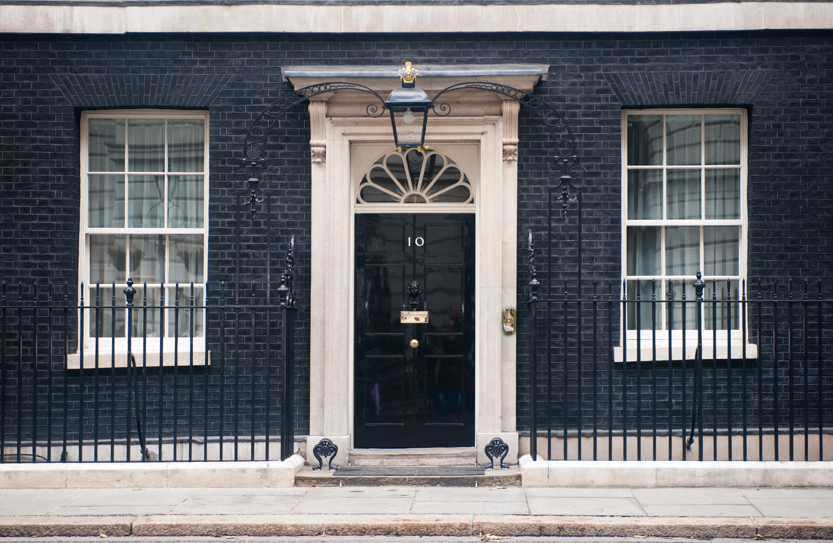
Andy Burnham’s speech in Downing Street had been both long planned and rushed. Long planned as this was his third attempt to become Leader of the Labour Party. Rushed as the dominos fell rather quicker than he expected. Despite this, it was a slick speech, without notes or autocue, and well-received by those standing on the street, clapping in the sixth Prime Minister in ten years.
Burnham’s speech marked a decidedly different Prime Ministerial style. Whereas Starmer was criticised for his managerialism, Burnham has set a political direction from the top. The new PMs initial policy announcements have focussed on the cost of living and making life easier for people (and slightly oddly, on addressing rough sleeping).
Healy’s appointment as Chancellor delighted those hoping for an increase in defence spending. Who better to find the cash than the person who resigned to make it happen? Healey is, in our experience, a shrewd, capable and impressive operator. He listens carefully and pays attention to experts. He’s not particularly ideological, although he is left-wing.
Most relevant to the BFFF is the return of Dame Angela Eagle to Defra within weeks of being moved to the MOD. Dame Angela is a veteran of the Blair and Brown era and is now the new Secretary of State for Defra having previously been a junior minister. She has had numerous roles government and really understands how the machine works. As for policy, in particular food and farming policy, she is known as a steady hand, rather than a radical thinker. That means from a BFFF perspective, that we should expect sensible engagement, rather than policy innovation.
There has been a significant promotion of the 2024 intake of new MPs, including Burnham policy guru, Miatta Fahnbulleh, rewarded with the position of Energy Secretary. Given her role in drafting Burnham’s plan for his first 100 days of policy, it is not surprising that his first big announcement was on energy prices. She is the former head of the New Economics Foundation. If you want to understand the new PM and his team, spending 15 minutes perusing their website will be insightful.
Prior to Starmers’s resignation, the government was focused on where industry could reduce energy use, especially this coming winter. The BFFF wrote to Ed Miliband outlining the work on frozen food temperatures, outlining the benefits. Now he has been moved away from energy, we have written to Fahnbulleh welcoming her to the role and reiterating the work of BFFF members on temperatures. We will see what happens.
Finishing late into the night, Burnham’s first Cabinet reshuffle was a long, drawn-out affair. His Cabinet consists of a 27-person almost gender balanced Cabinet. Whilst all Starmer allies, other than Bridget Phillipson, were sacked (and she herself was demoted), it is a Cabinet that includes most factions of the party.
There are some returns to previous roles that should help stabilise the government and may help ensure quicker delivery. Angela Rayner’s return to the Ministry of Housing, Community and Local Government is supposed to help deliver a huge increase in Council housing.
Pat McFadden has retained his role at the Department for Work and Pensions. Shabana Mahmood is staying at the Home Office, a role that she is said to be enjoying. Jonathan Reynolds is back at a beefed-up Department of Business and Trade and Emma Reynolds is back in HM Treasury, albeit in a different role. Burnham will hope this reassures and stabilises the markets.
In addition to the new Energy Secretary, another member of the 2024 intake, Kanishka Naraya MP, had overseen AI policy as a junior minister, is now AI minister – a role that will report to both the Cabinet Office and DCMS and involve attending Cabinet meetings – a step up from his previous job, and much welcome within the sector. A small consolation for a sector reeling from its department being disbanded so soon after it being set up.
Ed Miliband has little foreign policy background – not unlike his new defence counterpart, Wes Streeting – and it seems to us that Miliband’s appointment is a compromise. Burnham had to move him out of his previous role where he was causing real damage to the government, but could not push him out of the Cabinet completely.
Other notable appointments include Lucy Powell as Education Secretary, a role she shadowed under Jeremy Corbyn and as expected, Louise Haigh to Cabinet Office. Her elevation to First Secretary of State will no doubt disappoint Lucy Powell, who was expecting to be Deputy Prime Minister, but Haigh has been hugely important in Burnham’s rise and had to be rewarded.
The more junior posts in Burnham’s government are slowly being appointed, a process that will take a few more days to complete. Parliament is in Summer recess and so attention is now beginning to focus on the new Prime Minister’s promised ten year plan for Britain, which is expected to be revealed in the early autumn.


 + 44 (0) 1400 283090


 July 23rd, 2026.






























 + 44 (0) 1400 283090