Become a member

ANNUAL PROGRESS REPORT FOR THE UK’S FOOD WASTE REDUCTION ROADMAP

Last week WRAP and IGD released their annual progress report for the UK’s Food Waste Reduction Roadmap. The report identified in the last 12 months, more than 70 new organisations have committed to the Roadmap, bringing the total to more than 210 businesses.

The Food Waste Reduction Roadmap is aiming to halve food waste throughout the supply chain by 2030 in line with the Sustainable Development Goal (SDG 12.3) . The UK’s Food Waste Reduction Roadmap and its strategy of Target-Measure-Act is one of the initiatives that prompted the Champions 12.3 coalition to name the UK an “exemplar” country in its global progress report on SDG 12.3, published in New York.

Retailers:

Tesco was the first retailer to invite its suppliers to adopt the Target-Measure-Act approach to food waste in 2017 and now they have 54 UK suppliers sharing their food waste data publicly. Sainsburys and Waitrose have since become the first retailers to initiate new Whole Chain Projects under the Roadmap guidance. This programme involves businesses across the supply chain working together to identify ways to reduce food waste at each stage of the process. WRAP have set the target for 50 projects by the end of 2022, and alongside the report, they also unveiled a new Whole Chain Project Toolkit to enable others to begin at speed.

Within the report, it’s mentioned that five retailers have published comparable data, revealing that between them they have prevented 20,000 tonnes of food waste a year compared to their baselines, representing an average 15% reduction, the equivalent of £60million of food saved.

Production and Manufacture:

Within the production and manufacture sector, WRAP saw around 80% of businesses committed to the Roadmap show evidence of implementing the Target-Measure-Act approach. Those businesses with comparable data have shown a reduction in food waste  This year the food industry has seen a wide range of innovations being employed, including developing new products from materials with no previous end market as well as improving processes and staff training.

Hospitality and Foodservice:

Covid-19 caused the hospitality and foodservice sector to have to urgently redistribute surplus food and come up with alternative ways of operating whilst restaurants, pubs and cafes were forced to close their doors during lockdown. However, despite the disruption and challenges this industry has had to face, the number of companies committing to the Roadmap has increased to 36, with some new businesses making the commitment, including big names such as Burger King UK, McDonalds UK and Pret A Manger joining the Roadmap.

Building on the Guardians of Grub campaign, WRAP is piloting a new online learning course to help businesses minimise food waste. Guardians of Grub: Becoming a Champion is a practical online course designed to help the sector use tools and techniques to build competence and confidence to reduce food waste. It is being developed with the assistance of UK hospitality and food service businesses and trade bodies operating as part of an Advisor Group.

Government Food Waste Champion Ben Elliot said: “It is an environmental imperative that we reduce food waste to stop the needless waste of resources, energy and water used to make our food, as well as the time, skill and dedication that goes into growing, making and serving it.

“As a nation we’ve made excellent progress in tackling food waste, but there’s more we need to do, both in the food sector and as individuals in our daily lives.

“I urge all businesses to commit to the Food Waste Reduction Roadmap and the principles of Targeting, Measuring and Acting so that we can go even further to tackle food waste.”

To read the full press release, click here: https://wrap.org.uk/content/uk-named-%E2%80%98exemplar%E2%80%99-food-waste-reduction-roadmap-membership-passes-210

To read the full report, click here: https://wrap.org.uk/sites/files/wrap/Food-Waste-Reduction-Roadmap-Progress-Report-2020_0.pdf

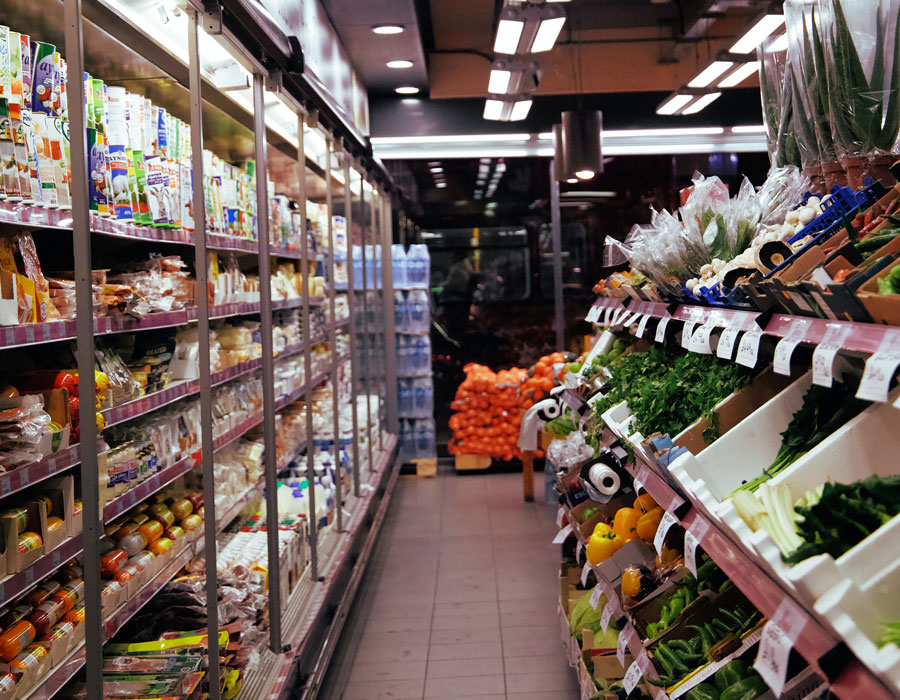
REPORT REVEALS STAGGERING SAVINGS TO BE MADE BY SWITCHING TO FROZEN

New buying habits look set to stay as report shows that switching to frozen can save families up to £1,500 per year and almost halve levels of food waste.

A new study commissioned by Birds Eye and Iceland indicates the acceleration of frozen food’s revival during the UK lockdown is set to continue and create long-term changes in shopping habits.

More shoppers than ever have been drawn to the category since mid-March. The results of the exclusive study highlight ‘value for money’ and ‘reduction of food waste’ as two main reasons the popularity of the sector will continue.

The study also includes insights into how habits have changed, with the freezer becoming a firm favourite with younger shoppers.

It seems generation Z has been paving the way during lockdown, making frozen fashionable again. More than a quarter (26 per cent) of 18-24-year olds are buying more frozen equivalents of their regular fresh items while 40 per cent have been stocking up on healthy frozen options including frozen vegetables, fruit, meat and fish. Almost a third (31 per cent) are trying new frozen foods such as meat substitutes.

As attitudes towards food continue to develop, and people spend more time in the kitchen cooking from scratch, a third (33 per cent) of all UK shoppers are using their freezer more efficiently with a further one in five (21 per cent) including more frozen foods in their cooking.

The stats indicate this could be a long-term trend as almost a quarter (24 per cent) plan to continue buying more frozen food after lockdown.

The cost saving potential was highlighted as a key benefit frozen food has over fresh alternatives, with 17 per cent agreeing they can get far more for their money by shopping frozen.

New data from a previously unreleased study by Manchester Metropolitan University, which analysed the financial impact of families eating fresh and frozen food, found frozen offers around a 30 per cent saving in comparison to fresh. For an average family this equates to a huge saving of £1,500 a year by incorporating more frozen food into their food shops. With over a third (34 per cent) of shoppers planning to tighten their purse strings when it comes to food shopping after lockdown, frozen food is set to be a regular fixture on the nation’s shopping lists.

Further research commissioned by Birds Eye and Iceland before lockdown took a closer look into consumer shopping habits and found more than £188 million worth of food was wasted nationwide each week. For every £1 spent at the till, more than 15p worth is wasted due to the amount of fresh food thrown away. 85 per cent of consumers expressed a desire to reduce their household food waste, but a quarter of those admitted the don’t know where to start.

But it seems lockdown has given shoppers time to reflect, with 47 per cent of those polled revealing they are far more conscious of the food their household is wasting since March, with the figure rising to more than half (54 per cent) among 18 – 24-year olds.

Steve Challouma, general manager UK at Birds Eye said: “It’s clear that whilst lockdown has brought many different challenges, new frozen shopping habits have emerged to help us save money and reduce food waste, whilst still enabling us to enjoy great quality and delicious food. The research also shows that many of us are making healthy food choices and adding more goodness to our diet – with shoppers actively buying more frozen vegetables.

“We’re excited to see shoppers discovering the many benefits frozen food including the interesting and tasty products on offer, and how they can be enjoyed on their own or used in creating delicious recipes. As households become even more conscious of their spending, we expect this behaviour to continue.”


CAN TECHNOLOGY HELP GET SHOPPERS BACK IN-STORE?

Despite an upsurge in online grocery shopping, many consumers still like to go into a physical store to select their own produce and to interact with others. But social distancing concerns and anxieties around hygiene mean consumer confidence is at an all-time low. Can technology help retailers tempt shoppers back in-store?

Research carried out by EY suggests almost half of UK consumers believe the way they shop over the next one to two years will change. Four-in-five people said they would be uncomfortable trying on clothes in a store and only a quarter said they feel comfortable going out to buy groceries.

Safety concerns are of course the biggest barrier to getting people back in-store and in response, during the early days of lockdown, retailers rigidly enforced ‘one in, one out’ policies to control numbers. As restrictions eased such monitoring has ceased, but crowding in stores still needs to be prevented.

Some larger shopping centres are addressing this by implementing technology capable of monitoring the amount of people inside at any given time.

Earlier this year, Scott Parsons, managing director of Westfield shopping centre told the Today programme: “We’ve got digital footfall trackers so we can safely manage crowds; as they enter and exit we can impose one way systems and markings on the pavements.”

In March, The British Retail Consortium announced a new partnership with ShopperTrak, a real-time occupancy solution that enables retailers to accurately understand shopper density within a store.

Armed with this knowledge, retailers will be able to adjust occupancy thresholds to support social distancing guidelines, as well as optimise staffing and cleaning schedules based on real-time traffic patterns.

But social-distancing concerns are not the only thing keeping shoppers at home. More than half of consumers have admitted they will now be more aware of hygiene and sanitation when shopping in person.

Carrying out cleaning in-store throughout the day is more important than ever, but doing so while maintaining social distancing with shoppers presents a challenge.

This would explain the dramatic rise in the use of AI-powered autonomous cleaning robots reported by AI-company Brain Corp.

The San Diego-based technology company specialises in the development of intelligent navigation systems for everyday machines and is currently powering an autonomous fleet of cleaning robots.

Because robots are safe to operate around the general public, retailers such as Walmart and Kroger in the US are using them with increasing frequency during the day to clean stores and instil greater confidence in store hygiene. The firm says use of robotic floor scrubbers increased by 24% during April 2020, compared to the same month last year.

In July Asda became the first UK grocer to announce it would be trialling the use of fully autonomous cleaning robots in a handful of its stores. Fitted with Brain Corps’ AI system, they are trained to follow specific routes around the shop and have safety sensors to stop them bumping into people.

Alongside safety screens, face masks and hand sanitisers, it seems entirely possible robotic cleaners could become a common sight in our supermarkets, boosting consumer confidence and keeping physical stores open. But what about foodservice outlets? Next time we look at how technology can help the hospitality sector alleviate hygiene concerns among diners.


HEALTH AND SAFETY HINDSIGHT IS NOT 2020: WHY DIGITAL IS THE WAY FORWARD

This article has been produced and published by SHE Software

In the last two decades, disruption has almost become the norm. Nimble web, cloud, and software companies like Uber, Airbnb, Amazon, Facebook, and Google have quickly spun up products, services, solutions, and apps that have altered multiple market landscapes. In addition, they’ve turned industry giants on their heads. But no amount of agility and innovation could have prepared even the most forward-looking disruptors for what has happened in 2020. We have been quickly forced into looking at the way we work.

What the disruption of the 2020 pandemic means for the future is not completely clear. What is clear is that there will be no return to the former way of working. New processes continue to be put in place, and any company that does not make health and safety investment a top priority is likely to falter.

The British Frozen Food membership spans across many disciplines including food production, logistics, wholesale and retail which have all remained operational during the pandemic.

Simon Brentnall, BFFF’s Head of Health and Safety states, “nobody could have predicted anything on the scale of this pandemic, yet the shelves have remained stocked throughout. The industry has faced many challenges from social distancing to PPE shortages with government guidance changing daily.

It is essential to utilise technology and digital solutions for the management of health and safety, this to ensure your systems remain effective. With the additional burden imposed in managing COVID-19 this innovation provides an extra pair of hands. I would encourage all organisations to explore these innovative solutions with open arms.”

Many companies have not prioritised investment in digitizing health and safety, instead, they choose to “play it safe” and avoid the technology upgrade. What the pandemic has showed us is that sticking to manual, paper-based processes and shying away from risk when it comes to health and safety is the exact opposite of playing it safe. Playing it safe by managing health and safety with pen & paper is no longer an option as that method can increase the chances of COVID-19 transmission between employees. With that in mind, let’s look deeper into why you should be moving to digital solutions for EHS.

Revealing gaps in the health and safety status quo

Organisations have been somewhat hesitant to prioritise investment in health and safety management technology because most believe that everything has been working fine. However, the COVID-19 crisis is highlighting the gaps and, in some cases, increased risks of maintaining the status quo. Just by doing their jobs, many workers face a transmission risk. What the crisis has shown us is that the old way of doing things is not effective in a pandemic or an economic downturn.

Unlike with pre-2020 health and safety digital transformation, which was seen by many organisations as a “nice to have,” there is an urgency associated with today’s crisis. And there are new nuances. The way many employees are working is different. Some are working as normal. Others have different shift times. Still others are either in quarantine or are distracted, waiting for word about a family member’s test results. Maintaining a functional health and safety program is a labyrinth of communication tools, irregular availability, misplaced paperwork, and no single source of truth or centralised management.

New challenges

Companies are facing new health and safety challenges because of the current pandemic. Employee engagement has been hindered by stay-at-home orders and telecommuting. While many health and safety professionals were working from home, they faced an added layer of difficulty to accessing, reporting, and receiving HSE information. Staying connected and promoting a strong HSE culture are not easy when employees are remote working, furloughed, or in quarantine/out sick.

With some offices, factories, and job sites shuttered and others deemed essential, there was, and continues to be, a lack of visibility into health and safety performance across companies. With workforces being more distributed, sharing information with everyone quickly and managing the risk of workplace transmission is critical for a safe return to work.  Engaging frontline workers in health and safety reporting is key – they present the greatest risk of workplace transmission while being the greatest opportunity to help prevent it.

If you add these challenges to the problems with manual or partially digital health and safety processes that existed before the crisis, you can begin to understand why you cannot keep limping along with what you had before the crisis.

The digital transformation imperative

Digital transformation is a proactive and coordinated approach to using software and other technology to make staff feel safe in the workplace. At the core of digital transformation is a consistent flow of high-quality data from the frontline that supports more informed and faster decision-making.

In the health and safety space, digital transformation automates, integrates, and streamlines manual and disparate HSE processes while driving continuous process improvement. Companies can leverage best practice, out-the-box health and safety functionality that is easily configured for their specific needs: forms, picklists, process flow, permissions, reports, dashboards, and more.

The “digitalisation” of health and safety processes also connects office workers with people on the front lines through mobile access and delivers health and safety reporting and compliance from a single source of truth. It enables access to health and safety data and informed decision making from anywhere there is internet access.  Maintenance, enhancements, and upgrades are regular and behind the scenes with no action required by users.

SHE Software’s Global EHS Specialist, Mat Wallis says, “We help many organisations see the great benefits that using EHS technology, like SHE Software’s Assure, brings to creating successful EHS management. In recent times, being able to adapt quickly with communication of new policies and collecting data using new forms has helped our customers to continue to effectively manage EHS during the pandemic.”

EHS tech has always supported and encouraged frontline worker engagement which has had a calming and positive impact during the recent turbulent times. Work practices have had to change almost overnight adding pressure to ensure all employees are aware and kept up to date when changes occur. With tech this is made simple and easy in comparison to the outdated pen and paper methods.”

As you can see, health and safety digital transformation is no longer a “nice to have” or an initiative that can be put off to a later date. Companies that have not adopted health and safety technology and digital platforms really need to add it to their “to-do” lists for now and in the future. It will help them weather crises by keeping everyone safe, engaged, connected, and communicating.

Don’t Return to Work with Manual Process & Dispersed Systems

If you haven’t digitally transformed your health and safety program before, now is the opportunity to try.  See link below to learn more about SHE Software’s health and safety solution, Assure, to help manage the return to work in a digital way.

www.shesoftware.com

IT MEETS HOSPITALITY

At the customer end, foodservice is all about personal relations and how people “feel”. Yet, technology is sharp-edged and transactional. How do the two get along in foodservice?

The simple answer is they do get along, but with some difficulty. And foodservice, like the rest of the hospitality sector, of which it is an integral part, copes with technology by being a late adopter. Spreadsheets and charts are not for chefs. But this world is changing and has been for some time.

Young people entering the sector have used social media and all things to do with the front end of technology, all their lives and now expect it in their workplace too. So, they are becoming an important influence on the adoption of technology in foodservice. Added to that, the covid pandemic is forcing everyone to examine how to use technology because it holds answers to many of the questions which are forcing operators to think about how to build a sustainable future for their business.

The challenges thrown up by covid are many. What future to plan for (and what lessons are there from the past)? How do finances stack up (and how do the daily figures perform against target)? How many people to have on site and what skills do they need (and how does daily headcount match the needs of customer demand)? How to communicate effectively? How to cope with Test & Trace? How to cope with all the information that IT systems throw up? The list is large and varied.

And so, an ecosystem of services has been built up to provide the answers. Many services are designed for back of house activities: monitoring stock, scheduling people, managing finances, identifying bottlenecks, reducing costs. And many are for the front of house environment: attracting customers, capturing their orders, managing bookings, taking orders, making payments, enhancing communications between front of house and back of house.

Foodservice, being entrepreneurial – and not wedded to or being willing to fully understand technology – is characterised by a wide range of systems that often do not communicate meaningfully with each other.

And out of this, it seems to me that the role of delivery is partly to develop the use of technology in foodservice. Many of the technologies that foodservice needs, especially the ones that work in the front of house environment are precisely what delivery aggregators offer via their apps, websites and behind the scenes software.

Is foodservice then destined to be in thrall to delivery aggregators because they are the route via which twenty first century technology becomes mainstream in foodservice? I fear that may be the destiny.

Within that context, covid has forced operators to up their game and really focus on technology.  It does essentially provide a solution to many problems – app ordering reduces customer dwell time, to take just one example.

But, nevertheless today arguably the biggest challenges surrounding delivery, technology and covid restrictions is maintaining the personable, experience that people expect.  Operators are having to work hard to ensure that technology enhances opportunities to eat out of the home – personal engagement needs to maintained.

DAWN FOODS UNVEILS EXTENSIVE NEW VEGAN PRODUCT RANGE

With a record number of people now swapping to or trying vegan food, Dawn Foods has significantly expanded its vegan portfolio, with the launch of easy-to-use vegan bakery mixes and fully baked frozen vegan sweet bakery products.

The new vegan bakery products will help bakers and caterers target the expanding number of consumers now following a vegan, vegetarian or flexitarian diets – according to The Vegan Society, over half of Brits (56%) adopt vegan buying behaviour.

Dawn’s new vegan mixes, which only require the addition of oil and water, are ideal for use in a range of desserts and cakes. The range includes vegan Crème Cake Mix in plain and chocolate, which makes delicious pound cakes and sheet cakes, while Dawn’s Vegan Muffin Mix, available also in plain and chocolate, makes authentic American-style muffins for finishing with vegan-friendly toppings.

Also new is a Vegan Brownie Mix, suitable for making either fudge or cake brownies – both are soft eating and hold inclusions well. With Dawn’s new Vegan Cookie Mix, bakers and caterers can bake their own American-style Plain or Chocolate Cookies, ideal for coffee-time. The finished cookies have the authentic cracked appearance and soft eating centre that consumers love.

For complete convenience, Dawn is now also offering finished frozen vegan sweet bakes, providing the ultimate convenience as there is no need to clean down to ‘bake vegan’ as the products can simply be thawed and served as demand dictates.

Dawn’s finished frozen vegan range includes a rich American-style Chocolate Chunk Brownie, which can be easily topped to make a delicious dessert, and for coffee or teatime, an authentic American-style Muffin and Cookie. The indulgent vegan 76g baked cookies are available in Chocolate Chunk or Double Chocolate Chunk. Made to an authentic American muffin recipe to give a moist open texture, Dawn’s new vegan Muffins come in Double Chocolate, Lemon Poppy Seed and Mixed Berry. Each has a delicious filling for a satisfying eat and topped for added crunch.

Dawn’s products are vegan-certified and contain sustainably sourced ingredients such as UTZ certified cocoa and RSPO Palm Oil. The frozen products are also Halal certified.

Key facts about veganism

  • The UK vegan market is predicted to be worth £1.1bn by 2023 (Mintel Research 2018)
  • According to The Vegan Society over half of Brits (56%) adopt vegan buying behaviour. Vegan proves to be more than a micro-movement within vegetarian, as it has been growing strongly both across the UK and on a global level.
  • The Vegan Society has also conducted research to discover how many vegans are currently living in the UK and found that the number of vegans in Great Britain quadrupled between 2014 and 2019. In 2019, it suggested that there were 600,000 vegans, or 1.16% of the population.
  • Flexitarian, Vegetarian or Vegan…What is the difference? The word ‘Vega’ comes from vegetarian. The vegetarian customer basically does not eat animals. Vegans don’t consume any animal products, so they leave dairy, eggs, cheese and honey out of their diet. Flexitarians consume mainly a plant-based diet with the occasional inclusion of meat, animal products or fish.

For more information please visit www.dawnfoods.com

Member Benefits

Exclusive Partnership deals on key products and services:

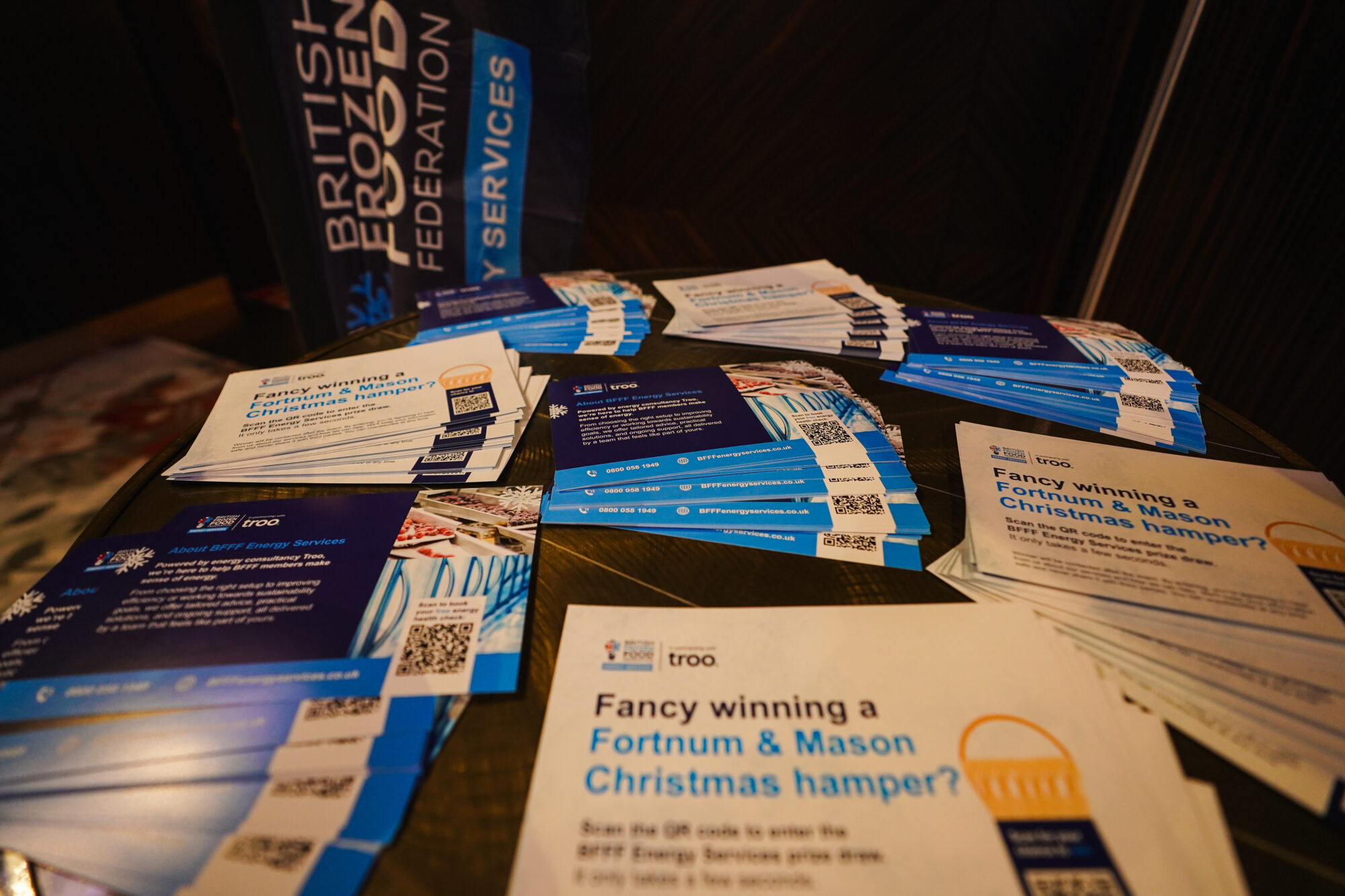
  • BFFF energy deals and rates
  • Vypr member deals and introduction
  • Defib Plus deals
  • Company Shop – membership
  • Mentor – MHE training health check

Exclusive access to networking opportunities and events:

  • Meet the Buyer events (retail & foodservice)
  • Annual Business Conference with networking dinner
  • Specialist H&S and Technical Conferences
  • Special interest groups (packaging, frozen food temperatures)
  • Annual Lunch
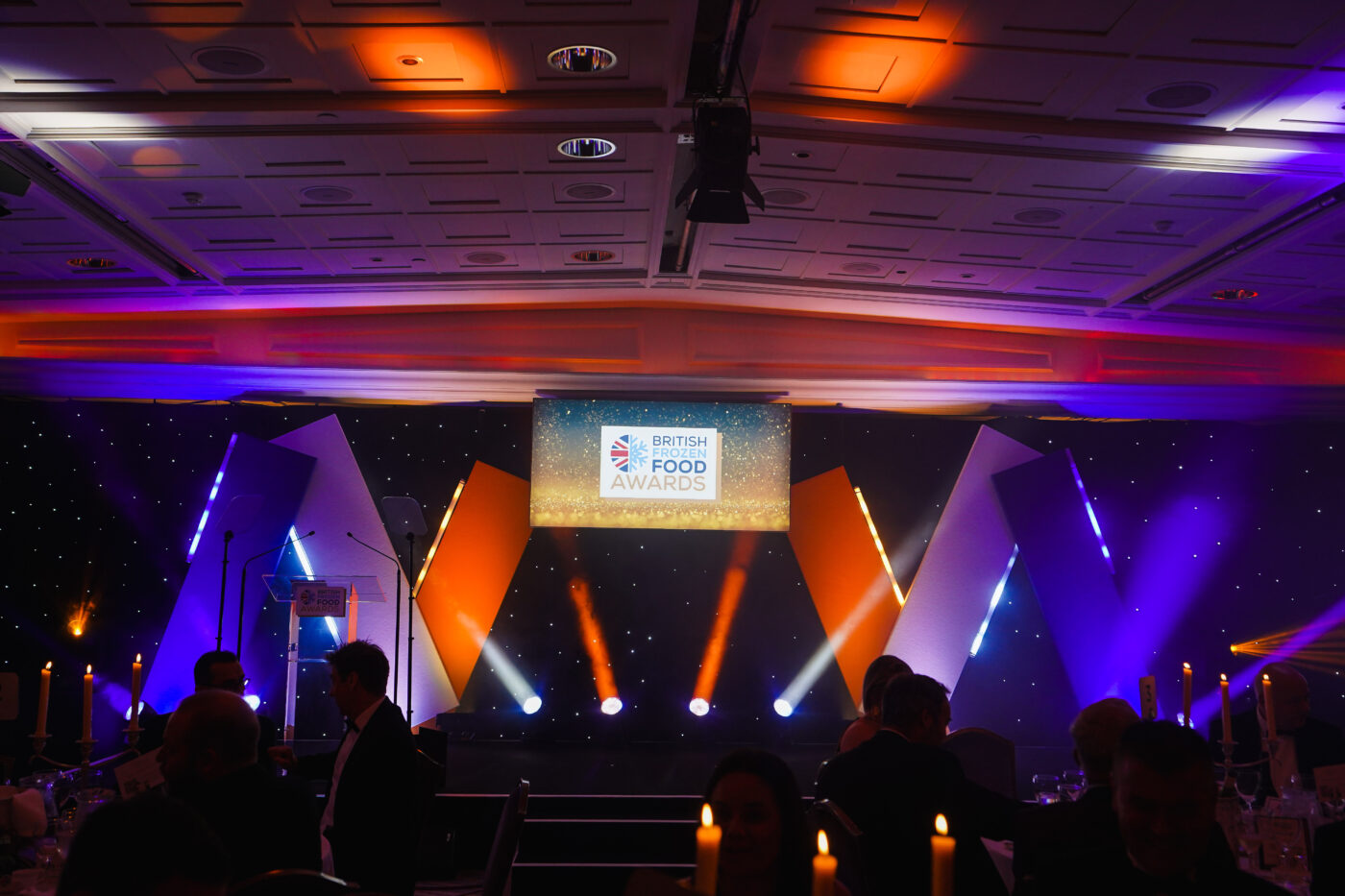
  • Awards Night
Upcoming Events More Events
Sponsorship Packages

We offer a range of sponsorship opportunities to BFFF members across our events throughout the year, with flexible packages that can be tailored to suit your business objectives.

Contact Us
British Frozen Food Federation Members Logo
what our members say...
  • Wakefield Council

    “What an amazing piece of work and indicative of how BFFF respond to the concerns of their members and make an impact on the whole industry sector.”

    See Full Quote

  • Sysco

    “You guys really ‘Do The Right Thing’ for the good of the industry”

    See Full Quote

  • Darta

    “The BFFF awards night is becoming an “appointment not to miss” on our calendar and we again enjoyed it immensely together with lots of well-known people from our industry. The…

    See Full Quote

  • Kantar Worldpanel

    “The Business Conference was an excellent day that was very well organised and allowed so many likeminded individuals in the room to learn so much more around the Frozen industry….

    See Full Quote

  • Lakeside Food Group Ltd

    “This Not For EU labelling situation alarmed us and quickly became a major worry to our business. These are times when you really rely on some support and from previous…

    See Full Quote

  • Meadow Vale Foods Limited

    “We had a few questions with respect to the new EPR waste packaging legislative changes. I know some of my colleagues have been assisted by BFFF in the past so…

    See Full Quote

  • Newberry International Produce Ltd

    “I am writing to express my heartfelt gratitude for the outstanding event you organised. I have only worked in this sector for the past nineteen months coming from twenty-five years…

    See Full Quote

  • Place UK Ltd

    “The BFFF 2024 Conference was compelling and thought provoking, with a many relevant and interesting topics covered at great pace and some depth by excellent speakers – will certainly attend…

    See Full Quote

  • Roswel Spedition GMBH

    “Thank you and the team for rushing around so brilliantly before, during and after the conference. It was pleasure to be part of the conference.”

    See Full Quote

  • Seara

    “The event was great, in my opinion. Not only it was very well organised, but the venue and the catering were excellent too. Furthermore, the content of the presentations was…

    See Full Quote

Website Designed & Built by we are CODA