Become a member

JOBS CREATED AS OAKLAND INTERNATIONAL LAUNCHES LEICESTERSHIRE WAREHOUSE

Multi temperature supply chain solutions, distribution, and logistics specialist and ethical family business, Oakland International, launched phase 1 of its new Bardon warehouse on Tuesday 1st September creating up to 400 local jobs. The Logicor site has capacity for 24,000 pallets and is being fitted out with refrigeration.

Immediately recruiting up to 120 people by the end of September, with a further 100 by the end of the year, they aim to employ even more staff over the coming year, providing much needed job opportunities across the local area.

Oakland International Chief Executive Dean Attwell stated: “Bardon has the capacity for up to 400 staff and considering the business’ growth direction, we should get to that level quite quickly, so we’re very keen to take on people searching for new opportunities working within the food industry.

“We’ve already recruited between 90-100 with a target of 120 new employees by the end of September. Although we’re new to the area, our policy has always been that wherever we operate we try and give something back to the local community, so we intend to operate an on-site food bank and create links with local schools.”

Oakland invested £4 million in fitting out the 225,000 sq. ft unit, which is located near to Coalville in Leicestershire, and has plans already in place to install solar panels to make the warehouse carbon neutral.

Employing around 600 people their head office is in Redditch, West Midlands with other facilities located in Corby, Dublin, and Worksop. A £40 million turnover business, operating 24-hours/7 days a week, one area of growth has been direct-to-consumer supplies, supporting many well-known brands and undertaking home deliveries of chilled, frozen, and ambient food parcels.

Oakland’s move to Bardon was significantly influenced by the support and approach of  North West Leicestershire District Council and a very dynamic and fast response from the team at Logicor, with the Council’s Chief Executive Bev Smith and district Councillor for Ellistown & Battleflat, Keith Merrie MBE in attendance for the official opening.

Councillor Tony Gillard, Portfolio Holder for Business and Regeneration at North West Leicestershire District Council, said: “We’re working hard to encourage growth and new investment in North West Leicestershire, and it’s excellent news that Oakland International are officially up and running at their new Bardon warehouse.

“Covid-19 has presented a lot of challenges to local economies across the country, but we’re determined to ensure North West Leicestershire’s continues to thrive and developments like this are a big part of making that happen.

“New jobs and new employment opportunities are needed in our district and it’s a timely moment to be welcoming Oakland International to this site.”

Oakland International is a B2C/B2B specialist in contract packing, storage, picking, food distribution and brand development support provider for ambient, chilled and frozen food to the retail, convenience, discount, wholesale and food service markets in the UK, Ireland and via their partner in Spain. They are also BRC AA accredited, a double Queen’s Award for Enterprise recipient for International Trade and Sustainable Development and they are working towards becoming the first carbon-neutral business within its sector.

3PL WAREHOUSE MANAGEMENT TECHNOLOGY SPECIALIST ANNOUNCES TWO SENIOR APPOINTMENTS SUPPORTING AGGRESSIVE GROWTH PLANS

Dublin, Ireland, 26th August 2020. Bucking the current defensive trend during these challenging times, warehouse management technology specialist, Principal Logistics Technologies has made two key management appointments.

The company has hired Brian Connolly as Corporate Development Director. A fellow of the Association of Chartered Accountants Ireland, and with a business acquisition background, Connolly has been successful in growing business services organisations, enabling them to reach and serve an expanded customer base.

Additionally the company has hired Sharon Jennings as Chief Financial Officer. Jennings brings over ten years’ experience with a leading full-service distribution business and will also manage Principal Logistics Technologies’ business operations, supporting planned growth.

Peter Flanagan, founder and managing director, commented “We continue to experience strong organic growth despite the obvious Covid-19 challenges. Demand has never been greater for our technology and services which help 3PL warehouses, distributors, manufacturers and others in the supply chain optimise and manage their businesses to keep ahead of their competitors”.

Flanagan continued, “To leverage our experience and accelerate business growth, we plan to adopt a buy-and-build strategy. To head up this approach I’m delighted to welcome Brian who brings experience of multiple successful business acquisitions, and to Sharon, who brings the finance and 3PL sector project management experience we will need to support our planned business expansion”.

NEW RESEARCH EXPLORES INSECT ANIMAL FEED TO HELP UK REACH NET ZERO CARBON TARGET

New research explores insect animal feed to help UK reach net zero carbon target


Campden BRI has begun working with a team of experts to develop insect nutrition in animal feed to move the UK’s fish and poultry production towards a sustainable future.

A grant of £250,000 from the Innovate UK Transforming Food Production programme was secured by a team involving Entec Nutrition, the University of Exeter and research partners Campden BRI.

The research will look to reduce the carbon footprint of the feed industry by investigating efficient insect production methodologies and the science behind insect nutrition in animal feed.

Tiia Morsky, ingredients research team leader at Campden BRI, said:

“We will be developing the methodology to produce insect-derived protein and oil ingredients. This will include separation, drying, milling and analysis of each product’s characteristics including nutrition, shelf-life and functionality.”

As population levels rise, it is expected that fish and poultry consumption will increase, generating a greater demand for animal feedstocks, and therefore animal-feed ingredients.

The global feed industry is energy-intensive, reliant on international imports, at risk of commodity price hikes, and associated with deforestation. The UK needs to increase feed production resilience to mitigate these issues and to move the UK’s fish and poultry production towards a sustainable and productive future. This project will develop insect feed to lower the cost of production and environmental impact of the poultry and aquaculture industries and significantly support the UK’s goal to reach net zero carbon target by 2050.

Dr Olivia Champion, who co-founded Entec Nutrition with University of Exeter colleague Professor Richard Titball, said:

“We are thrilled to have won this Innovate UK Transforming Food Productions grant with our research partners. It’s really exciting for Entec Nutrition to form part of the UK’s clean innovation solutions to reach net zero carbon emissions by 2050. The funding will allow us to explore methods for low energy production of insects to lower the cost of production and the environmental impact of the feed industry.”

The collaboration between Campden BRI and Entec Nutrition extends beyond the Innovate UK initiative, with a smaller EU-funded project with similar objectives.

Campden BRI’s Morsky added:

“The second project will build on our findings by further developing methods that will produce nutritious oil-rich and protein-rich ingredients from insects. The nutritional content of these ingredients will then be assessed for poultry-feed producers and shelf-life, and we’ll also identify any biological or chemical contaminants.”

Campden BRI is currently working on a number of Innovate UK projects including one to improve process efficiency and product quality using artificial intelligence, and another to support the development and assessment of a new aseptic packaging system that uses plasma technology.

THE END OF THE TRADITIONAL WEEKLY SHOP?

The end of the traditional weekly shop?

As we emerge from the COVID-19 pandemic, technology will play a greater role in everyday life than ever before. One of the first big changes we saw at the start of lockdown was a shift in the way consumers carried out their grocery shopping. How has consumer behaviour changed since then, and are retailers facing a future where virtual shoppers are the norm?

The COVID-19 pandemic has changed the way we buy food in an incredibly short space of time, but food retailers have found innovative ways to adapt to our ‘new normal’ and keep going. From installing safety screens to implementing one-way systems, supermarkets look and feel very different to how they did at the start of the year.

Although lockdown restrictions are now easing, consumer confidence still needs to be re-built. Technology will play a vital role and nowhere has the use of technology increased more in recent months than the food retail sector.

As the hospitality industry was forced to close for so long, food retailers faced an unprecedented and paradoxical situation; a massive surge in demand and a significant drop in footfall. Social distancing guidance, shielding advice and a general sense of anxiety led to an increased number of consumers taking advantage of online services and apps.

Research from Mintel reveals just how dramatically habits changed over the lockdown period.

At the start of lockdown, and before social distancing measures were announced, 7% of Brits said they had increased their total amount of online shopping for both food and non-food. Less than eight weeks later, this figure had risen to 36%. Meanwhile, half of UK consumers had tried to limit the time they spend in-store and a further 9% had increased their use of click-and-collect services.

Even as restrictions are lifted, these habits are probably here to stay, so retailers need to ensure their tech can keep up.

Research carried out by EY suggests 45% of UK consumers believe the way they shop over the next one to two years will change. Four-in-five people said they would be uncomfortable trying on clothes in a store, while only a quarter said they feel comfortable going out to buy groceries.

In response, food retailers who have had a mobile app offering for some time have increased the number of delivery slots and created next-day options to meet demand. Those who did not are now looking at how they can cater for consumers reluctant to shop in-store.

Lidl has recently launched Lidl Plus, a mobile app offering rewards such as a weekly money saving coupon, and Aldi could also launch an ecommerce arm in the UK. Its logistics operators told The Grocer it has the systems in place to “seize the opportunity which e-commerce offers”.

Consumers not only embraced apps to order their weekly food shop, they also used their mobiles to help plan supermarket trips.

When lengthy queues outside stores became a common sight early in lockdown, the Supermarket Check app showed shoppers how long the queues were at their local stores. Using the phone’s location setting, the app displayed in minutes how long other users waited at the supermarket and even provided up-to-date stock information.

But retailers need to be aware of how this type of technology could affect customer loyalty. As shoppers are granted more and more visibility of things like stock levels, they are more likely to go elsewhere to get what they want.

To combat this, retailers should ensure they are offering maximum convenience by adopting a multi-channel approach to enable expedited delivery and pickup services for their shoppers. In addition, apps should offer a personalised shopping experience in which consumers can choose the type of rewards they get and receive tailored offers when they visit certain departments.

By giving an app the ability to learn a user’s shopping purchases, suggest relevant products and use 3D store navigation to map out the shopper’s route, you can make customers feel their individual needs are being met.

Despite the increased adoption of grocery shopping apps, the fact remains not everyone wants to shop online. Some don’t feel comfortable with the technology, others crave the social interaction of the weekly shop, and despite raised anxiety levels many still like to go into a physical store and select their own produce.

Next time we look at how technology can help food retailers put these consumers at ease and attract people back in-store post-pandemic.

DELIVERY – A DISRUPTIVE TECHNOLOGY

“I must give the British people a very simple instruction. You must stay at home”. With these words on 23 March, the Prime Minister ushered in the most far reaching behavioural change amongst the British people. The immediate reaction was concern over the necessities. Supermarkets were raided for food (and toilet rolls) and shelves were stripped bare. But another reaction was setting in beneath this raw demand for food and for some people that resolved itself into the question of how would they replace the meals that they were used to eating in restaurants? The infrastructure existed in the form of restaurant delivery. Up stepped Domino’s and other pizza chains who had developed their own technology to manage their order taking, pizza production, and delivery infrastructure.

Building on their strong relationships with their customers, they were able to meet the growing demand for their products. And about a month into lockdown, Just Eat, another technology market-place business, whose sales had significantly slowed down immediately after the Prime Minister’s announcement, was tapping into its nationwide base of independent restaurants and takeaways who were able to stay open, to prepare meals for delivery.

At this time, chain operators, partly out of concern over their ability to ensure safe working conditions, had all but shut down, but after a few weeks of lockdown they too were starting to reopen. Meanwhile the restaurant delivery business of Deliveroo and UberEats, had slowed massively since chain operators had stopped any form of meal production. The delivery companies replaced this lost business in part by delivering groceries and alcoholic drinks and made minor pivots towards helping the vulnerable who, unable to go shopping, stayed at home.

Two months into lockdown, the restaurant delivery market having initially substantially fallen, was now once again on the rise and by the end of June, sales, measured at Gross Market Values – sales to consumers – were broadly up to pre-lockdown levels and running at about £750 million a month when the rest of the restaurant sector was all but dead.

Delivery, which only a handful of years ago, had been a start-up market disruptor became a core underpinning of the restaurant sector during covid lockdown.

Now, delivery – a potent marriage of technology and last mile delivery -is morphing at speed into other channels too, with the rise of dark kitchens being a prime example. Where will it go from here?

Peter Backman joins the BFFF on Wednesday 16th September to look further into the technology shift in Foodservice due to COVID-19 – Sign up here

BFFF Response to the Government’s proposal to remove the use of Red Diesel

BFFF Response to the Government’s proposal to remove the use of Red Diesel

Over the course of the last few days the Federation has been very active on the issue of the Government’s proposal to remove the use of Red Diesel from refrigerated lorries from April 2022.

Firstly, we took part in a Round Table discussion with the Treasury. Simon Brentnall of the BFFF was joined by Ross Hunter of McCain and Ross Browning from Iceland. We made the case that at the moment the technology for other forms of refrigeration on large vehicles does not exist.

We argued along with our members that more time is needed to make the change. Also, the Government should ensure there is investment funds available to help the transition into new technology.

Following the Round Table we joined the Cold Chain Federation and FWD in writing to the Chancellor, Rishi Sunak. The letter re-enforced our position that more time is needed for the change and that more Government investment is required. Click HERE to read the letter.

The BFFF will submit a response to the current consultation. We will contact members over the next couple of weeks to get your opinions on this issue.

If anyone would like to submit their views then please contact Simon Brentnall – simonbrentnall@bfff.co.uk

Member Benefits

Exclusive Partnership deals on key products and services:

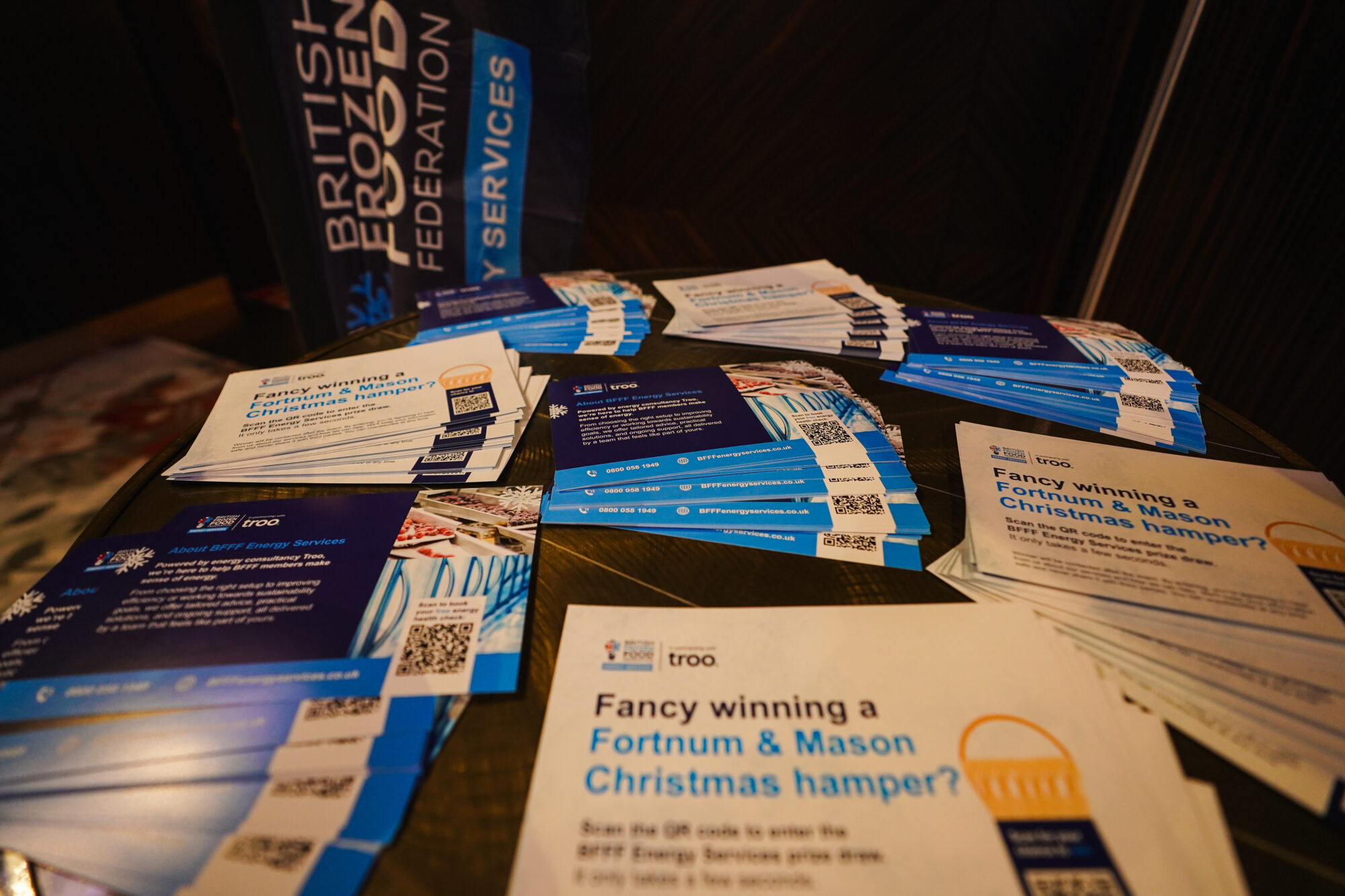
  • BFFF energy deals and rates
  • Vypr member deals and introduction
  • Defib Plus deals
  • Company Shop – membership
  • Mentor – MHE training health check

Exclusive access to networking opportunities and events:

  • Meet the Buyer events (retail & foodservice)
  • Annual Business Conference with networking dinner
  • Specialist H&S and Technical Conferences
  • Special interest groups (packaging, frozen food temperatures)
  • Annual Lunch
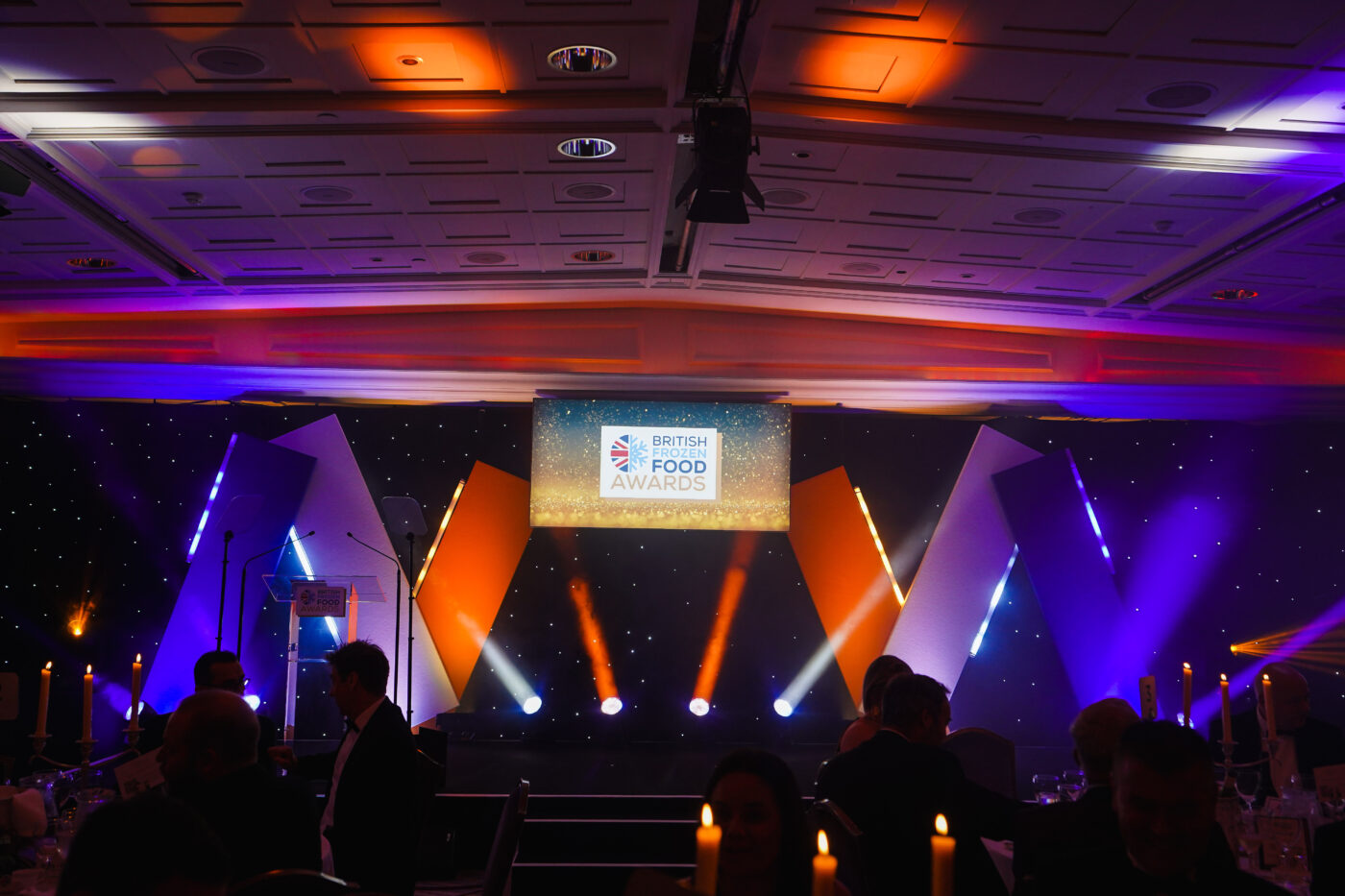
  • Awards Night
Upcoming Events More Events
Sponsorship Packages

We offer a range of sponsorship opportunities to BFFF members across our events throughout the year, with flexible packages that can be tailored to suit your business objectives.

Contact Us
British Frozen Food Federation Members Logo
what our members say...
  • Wakefield Council

    “What an amazing piece of work and indicative of how BFFF respond to the concerns of their members and make an impact on the whole industry sector.”

    See Full Quote

  • Sysco

    “You guys really ‘Do The Right Thing’ for the good of the industry”

    See Full Quote

  • Darta

    “The BFFF awards night is becoming an “appointment not to miss” on our calendar and we again enjoyed it immensely together with lots of well-known people from our industry. The…

    See Full Quote

  • Kantar Worldpanel

    “The Business Conference was an excellent day that was very well organised and allowed so many likeminded individuals in the room to learn so much more around the Frozen industry….

    See Full Quote

  • Lakeside Food Group Ltd

    “This Not For EU labelling situation alarmed us and quickly became a major worry to our business. These are times when you really rely on some support and from previous…

    See Full Quote

  • Meadow Vale Foods Limited

    “We had a few questions with respect to the new EPR waste packaging legislative changes. I know some of my colleagues have been assisted by BFFF in the past so…

    See Full Quote

  • Newberry International Produce Ltd

    “I am writing to express my heartfelt gratitude for the outstanding event you organised. I have only worked in this sector for the past nineteen months coming from twenty-five years…

    See Full Quote

  • Place UK Ltd

    “The BFFF 2024 Conference was compelling and thought provoking, with a many relevant and interesting topics covered at great pace and some depth by excellent speakers – will certainly attend…

    See Full Quote

  • Roswel Spedition GMBH

    “Thank you and the team for rushing around so brilliantly before, during and after the conference. It was pleasure to be part of the conference.”

    See Full Quote

  • Seara

    “The event was great, in my opinion. Not only it was very well organised, but the venue and the catering were excellent too. Furthermore, the content of the presentations was…

    See Full Quote

Website Designed & Built by we are CODA