Become a member

CAMPDEN BRI DEVELOPS METHOD TO HELP INDUSTRY CONTROL COVID-19 TRANSMISSION

Campden BRI has developed a new test procedure to determine whether air cleaning systems can effectively inactivate and remove the virus that causes COVID-19 from the air and surfaces.

It comes as food businesses attempt to protect their workforces with these systems which are sometimes marketed as being effective against SARS-CoV-2, the virus that causes the respiratory disease.

In a recently published position paper, the Scientific Advisory Group for Emergencies (SAGE) highlighted the need for these systems to be independently validated. The paper identified a lack of robust scientific data supporting the efficacy of such systems against relevant test organisms under realistic in-use conditions.

Annette Sansom, senior research officer at Campden BRI who led the development of the method, said:

“Knowing coronaviruses to be spread by airborne transmission, many food businesses have put in place extra measures to protect their employees, including the installation of air cleaning systems. Some of these devices state effectiveness against SARS-CoV-2, but without these claims being validated, businesses can’t be sure that they’re protecting their staff. With an aerobiology laboratory capable of representing factory conditions, we steered our ongoing research project on the effective control of viruses towards a method that could validate these claims and help businesses create COVID-secure environments.”

The new method uses a surrogate organism, structurally similar to SARS-CoV-2, in a specialist aerobiology laboratory to validate air cleaning systems on a scale not replicated elsewhere in the UK.

The test itself has been developed to adapt to various environments seen throughout the food and drink industry. For example, as meat and poultry factories are kept cold to prevent the growth of Listeria, the aerobiology laboratory can be chilled to assess an air cleaner’s effectiveness in these conditions. Sansom continued: “Having a method that can replicate real-life conditions is key to ensuring an air cleaning system can effectively remove SARS-CoV-2 in that environment.”

SAGE highlighted that the application of these technologies – which include UV-C light, plasma, filters and chemical sprays – may be a useful strategy to reduce airborne transmission risks in poorly ventilated spaces.

This paves the way for these devices to be used in closed spaces such as offices which are prone to poor ventilation. However, having identified the potential chemical hazards associated with some systems, SAGE’s position paper makes clear that these hazards should be fully understood and properly mitigated to ensure safe operation.

Rob Limburn, microbiology group manager at Campden BRI who helped develop the validation method, said:

“Some air cleaning systems produce ozone and/or other potentially hazardous by-products, such as CO2, during operation. It’s therefore important that such devices are tested to ensure that levels of these substances do not exceed recommended maximum levels under in-use conditions.”

The current UK workplace exposure limit for ozone is 0.2 ppm according to the Health and Safety Executive.

As well as in the air, some systems claim to be effective against SARS-CoV-2 on surfaces. It is believed that testing these claims at the location the device will be used is a robust way of ensuring this effectiveness.

Having recently trialled the new method on a boat, Limburn demonstrated how the test can assess claims of surface activity in a number of different settings which can include hotel rooms, buses, trains, lifts, offices and canteens. Businesses can therefore assess which of these technologies is most effective and safe for their specific area to help them determine which would be a worthwhile investment.

For the industry, having a validated air cleaning technology system in place not only helps a workforce feel safer, but also helps prevent cases of COVID-19 that would otherwise cause lost time due to staff self-isolation.

Limburn continued:

“We’ve found that the ‘next virus’ is a real concern for many food businesses and is partly the reason why they’re considering installing these systems. They’re thinking of both the current health crisis and future pandemics.”

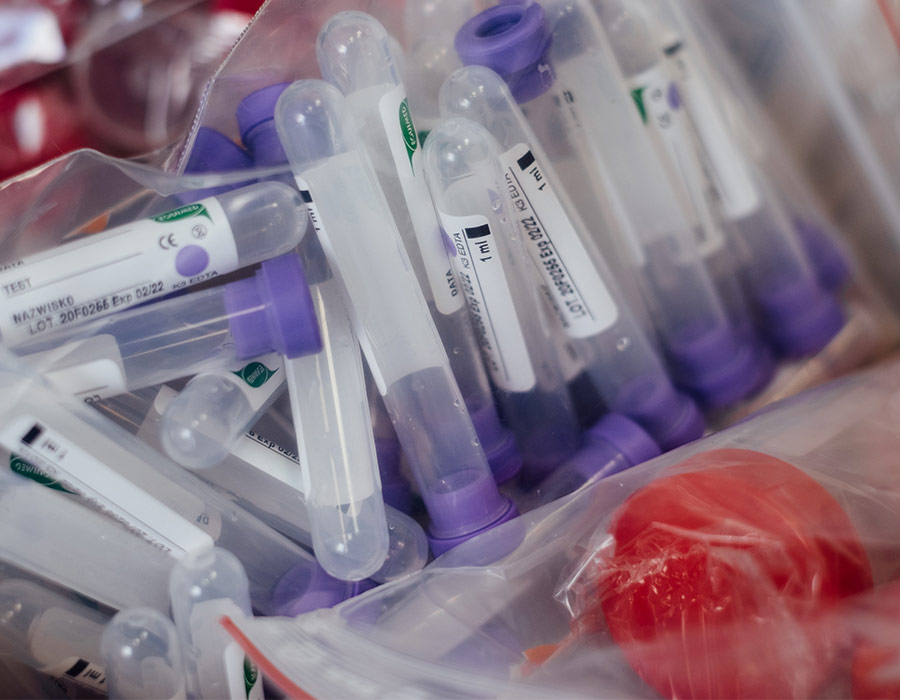
The new method is the latest edition to Campden BRI’s suite of COVID-19 services which includes the PCR-based nose and throat swab test designed specifically for workforces.

Short-term ECMT permits: applications open for journeys in 2021

The Trade and Cooperation Agreement between the UK and EU allows for a UK haulier to undertake unlimited bilateral (point-to-point) journeys to and from the EU, and unlimited transit journeys through the EU to a non-EU country (though a permit may be required for your final destination).

It also allows for two additional movements in the EU, (cross-trade* or cabotage**) following a laden journey*** from the UK, with a maximum of one cabotage movement.

For Northern Ireland operators, both additional movements may be cabotage movements in Ireland, provided they follow a laden journey*** from Northern Ireland, and are performed within 7 days.

We urge you to check whether your journeys are covered by Trade and Cooperation Agreement and consider whether you need a short-term (30-day) permit for journeys in 2021.

Additional cross trade jobs in the EU
You need an ECMT permit if you want to carry out a third cross-trade job. The ECMT permit will let you carry out 3 cross-trade jobs between any ECMT country.

Cross-trade jobs between the EU and non-EU countries
You need an ECMT permit if you want to carry out a cross-trade job between the EU and a non-EU country. The non-EU country must be an ECMT member country.

How to apply
To apply for a short-term permit, please email shorttermecmt@dvsa.gov.uk.
You will need to specify a start date for any permits requested and you may be asked to provide evidence of previous trips or future contracts.

Further information to help you plan your journey.

*Cross-trade is moving goods between two EU member states, e.g. taking a load from Paris to Brussels.
**Cabotage is moving goods between two points within 1 EU member state, e.g. from Paris to Lille.
***A laden journey is a journey where a haulier is moving goods.

LOCKDOWN UNCOVERS NEW GENERATION OF FROZEN SHOPPERS

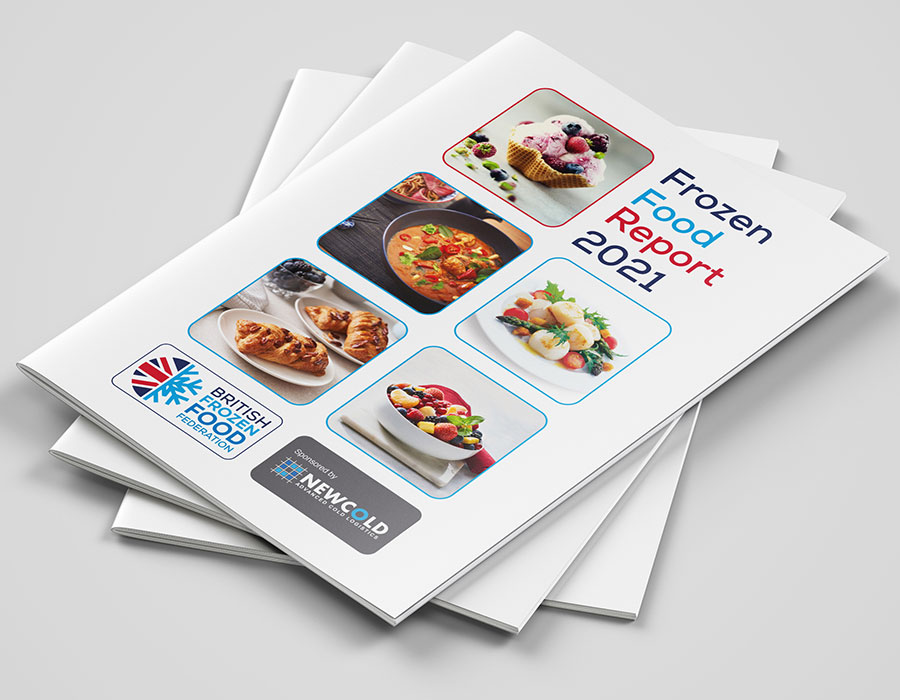
New Frozen Food Report highlights significant growth in frozen sector and changes in consumer shopping habits that could be here to stay.

  • Retail frozen food sales increase by £872m to over £7bn a year
  • Frozen YoY growth exceeds total grocery, and fresh and chilled
  • Consumers shopping less frequently but spending more per shop

The pandemic has changed the way we shop, perhaps permanently, and given frozen food sales a huge boost, according to a new report.

The Frozen Food Report, released today, reveals retail frozen food sales have increased by £872m, and the value of frozen food sold in the UK stores is now worth £7.21bn with a year-on-year growth of 13.8%, compared to total grocery, which grew at 11.3%, and fresh and chilled at 9.3%.

The report, produced by the British Frozen Food Federation, also found Generation Z (those born between 1997 and 2012) are 23% more likely to eat frozen food as they are attracted by the convenience and flavour of the growing range of vegetarian and vegan products on offer.

Whilst the retail market saw massive growth last year as consumption patterns changed dramatically, the hospitality sector suffered enormously due to lockdown. But while out-of-home spending dropped by £1bn per week in 2020, takeaway sales increased by 250%, and the report highlights how foodservice businesses have embraced technology to keep going.

Commenting on the report launch, BFFF chief executive, Richard Harrow said: “It’s 10 years since we produced the first Frozen Food Report. In that time, the frozen food market has experienced impressive growth, improved quality perception and faced some of its greatest challenges.

“Since 2005 the retail market has seen a steady growth rate, achieving a 3.3% category average growth rate (CAGR) to reach a value today of £7.21bn. The market was boosted in 2020 by the pandemic lockdown, adding a massive £889m as sales moved from the foodservice market into the retail sector. Despite the challenges of 2020, and in some cases because of them, the UK’s frozen food industry continues to be a real success story.

“March 2020 was a record month for online penetration, which increased by 140,000 households, and further research in October found only 26% of shoppers stated they intend to revert to pre-pandemic shopping habits, with 55% saying they will never shop in the same way again. This means, potentially, 74% of shoppers will maintain their online shopping habits long-term.

“Another change in consumer behaviour is the frequency of shopping trips has declined overall, but increased for frozen, and basket spend is higher. Consumers are also looking for convenient products that will not spoil between shopping trips. This plays to the strengths of the frozen category and means we’re optimistic frozen will continue to grow its share of online purchases.”

The report, sponsored by NewCold, brings together research from leading names including Kantar Worldpanel and IGD to give a full picture of the market for frozen food. It has been produced by the BFFF Young Leaders Forum, with input from BFFF members, and features opinions and market predictions from industry leaders, including foodservice consultant Peter Backman, founder of FutureFoodservice.com Simon Stenning, and director of the British Plastics Federation Barry Turner.

Copies of the Frozen Food Report are available here: https://bfff.co.uk/the-frozen-food-report-2021/ 

SEAFAST: FELIXSTOWE MEGA DC A COLD CHAIN “GAME CHANGER”

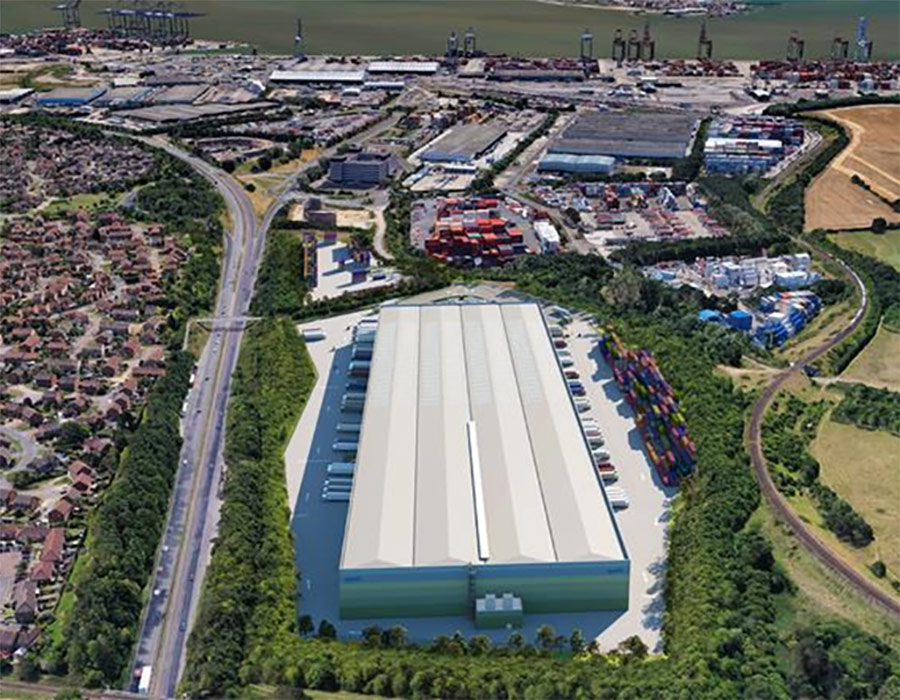
The giant 750,000 sq ft ambient and freezer distribution centre currently being constructed less than a quarter of a mile from the Port of Felixstowe is set to be a “game changer” for UK cold chain logistics industry.

Seafast is delighted to be working with freight and logistics group Uniserve on their ‘Felixstowe Mega DC‘, which is set to open its doors in the second quarter of this year. The introduction of huge new capacity into a space-starved warehousing market makes makes port-centric logistics at scale a reality for businesses moving cargo through Britain’s largest container port for the first time. Additionally, when operational the facility will house the largest port centric frozen cold store in the UK.

“The term ‘game-changer’ is sometimes bandied around too easily, but that’s exactly what the Felixstowe Mega DC is set to be – a major, much-needed game-changer for the UK supply chain industry. Its scale, its specifications and, of course, the cost / complexity / CO2 reductions stemming from port-centricity will deliver colossal value to Seafast’s customers.”

David Halliday
Managing Director, Seafast Cold Chain Logistics

Sitting on a 28-acre site along the A14, Felixstowe, the £90 million fulfilment centre will be BRC food grade accredited, bonded for both wet and dry goods and will offer consolidation services for goods in transit. Within its colossal walls (400 metres long by 120 metres wide by 21 metres high) will be housed state-of-the-art facilities enabling maximum flexibility to accommodate customer requirement across the broadest range of sectors and commodity types.

This will include:
•    100,000 sq ft cold store
•    18,000 pallet spaces of frozen storage
•    400,000 sq ft marshalling and narrow/wide aisle pallet racking
•    200,000 sq ft purpose built efulfilment zone
•    80,000 ambient pallet spaces
•    50,000 sq ft offices and staff facilities
•    10 levels of racking
•    4 mezzanine floors
•    Advanced electrical mechanical handling equipment
•    Significant green credentials

To find out more about how the Felixstowe Mega DC can bring value, visibility and control to your supply chain, please email enquiries@seafast.com

FDF / DEFRA Webinar on Workforce Covid Testing – Monday 15 February 15:00 – 16.30

Food and drink manufacturers are being asked to establish Asymptomatic Testing Sites in workplaces on a voluntary basis, which will provide confidence to employees and customers and help to protect and enable business continuity. Government is inviting businesses in the food sector with more than 50 employees (with sites located in England) to register for the provision of government-funded lateral flow technology (LFT) to test asymptomatic workers. For more information, please visit: https://www.gov.uk/get-workplace-coronavirus-tests.

FDF is jointly hosting a webinar on workforce testing with the Department for Environment, Food and Rural Affairs (DEFRA) on Monday 15 February at 15:00 to provide an opportunity to hear from government and industry on how to access and implement workforce testing effectively.

View the Webinar joint-fdf-defra-workplace-testing-webinar.

In addition to speakers from FDF and DEFRA, we will be joined by the following experts in this area:
• James Forsyth from the Department for Health and Social Care
• Gerald Mason from Tate & Lyle Sugars
• Lee Sheppard from apetito
• Matthew Rushton from Reed Talent Solutions
• We will also hear about initial plans for workforce testing in Scotland and Wales
There will be an opportunity to have any questions you may have answered during a Q&A session at the end of the webinar.

To attend the event please register your interest to Griffin Shiel at griffin.shiel@fdf.org.uk to receive a link to the webinar which will be held on Microsoft Teams.

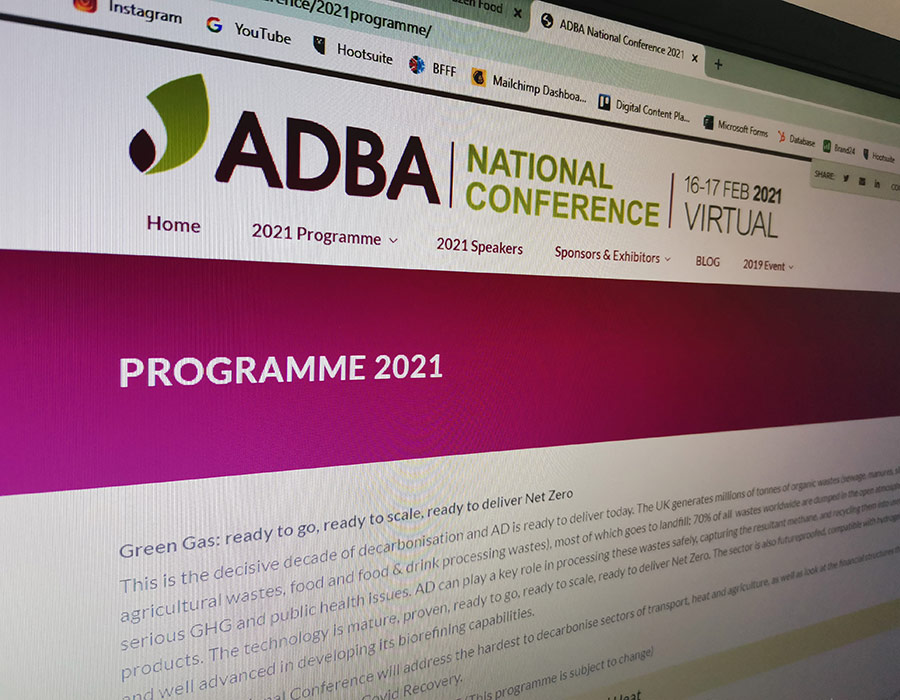
ADBA NATIONAL CONFERENCE 2021 TO LOOK AT HOW TO DELIVER NET ZERO ACROSS TRANSPORT, HEAT, AGRICULTURE AND WASTE MANAGEMENT – AND FIND THE MONEY FOR IT.

  • ADBA National Conference 2021 will take place online on 16th and 17th February
  • It will look at the hardest to decarbonise sectors of transport, heat and agriculture, and at the financial structures that can best support AD in the post-Covid Green Recovery
  • It will aim to demonstrate the value of AD in achieving Paris Agreement targets ahead of COP26

We are in a decisive decade for decarbonisation, which includes urgently managing organic wastes to prevent the harmful methane emissions they would otherwise emit. This involves treating these resources through anaerobic digestion (AD), the nature-based technology which is able to extract the most value from them – recycling them into green energy and CO2, biofertilisers and other valuable bioproducts.

The AD industry sits at the heart of the circular economy of organic wastes and is ready to deliver on this today.  These will be the key messages of next week’s ADBA National Conference 2021 hosted by the Anaerobic Digestion and Bioresources Association (ADBA).  Entitled “Green gas: ready to go, ready to scale, ready to deliver Net Zero”, the 2021 edition of the annual conference on 16th and 17th February will feature sessions on:

  • Realising the potential of biomethane in transport
  • The role of AD and green gas in decarbonising heat
  • Agriculture and AD- working together for Net Zero
  • Digestate – How AD impacts clean air
  • The impact of new food waste regulations for AD in the UK
  • Financing the Green Recovery in the UK

Confirmed speakers include:

  • Alan Whitehead, MP and Shadow Minister, Business, Energy and Industrial Strategy
  • Sam Hare, Waste & Recycling Policy Advisor, Defra
  • Matt Hindle, Head of Gas, Energy Networks Association
  • John Coates, Vice Chair, LARAC
  • James Alexander, CEO, UK Sustainable Investment and Finance Association
  • David Hurren, CEO, Air Liquide
  • Dr Jonathan Scurlock, Chief Advisor, Renewable Energy, National Farmers’ Union
  • Dr Jem Woods, Reader in Sustainable Development,  Imperial College
  • Kathy Nicholls, Senior Advisor, Environment and Business, Environment Agency
  • Thomas Minter, Director, Malaby Biogas
  • Keith Warburton, Decarbonisation Development Manager, Wales & West Utilities
  • and many more…

To fulfil AD’s potential to reduce the UK’s greenhouse gas emissions by 6% over the next decade“, says Charlotte Morton, ADBA’s Chief Executive. “it is imperative for the UK government to acknowledge that in AD they have a mature, future-proof technology readily available to help decarbonise key sectors of the economy.  Our message to the UK government, months before it hosts COP26, is that AD must be considered in the UK’s Net Zero strategy and the conference will demonstrate why.”

View full programme

The conference will also feature extensive breaks for networking and engaging with the conference sponsors: Air Liquide, Beamex, Clarke Energy, Desotec, Eco2, Flogas, Macquarie, Omex, Target Renewables and Vaisala.

Register

MEDIA ACCREDITATION:  To receive your free media pass for the conference, please contact:
Jocelyne Bia, Senior Communications Consultant
email: Jocelyne.bia@adbioresources.org
tel: +44 (0)7910 878510.


Member Benefits

Exclusive Partnership deals on key products and services:

  • BFFF energy deals and rates
  • Vypr member deals and introduction
  • Defib Plus deals
  • Company Shop – membership
  • Mentor – MHE training health check

Exclusive access to networking opportunities and events:

  • Meet the Buyer events (retail & foodservice)
  • Annual Business Conference with networking dinner
  • Specialist H&S and Technical Conferences
  • Special interest groups (packaging, frozen food temperatures)
  • Annual Lunch
  • Awards Night
Upcoming Events More Events
Sponsorship Packages

We offer a range of sponsorship opportunities to BFFF members across our events throughout the year, with flexible packages that can be tailored to suit your business objectives.

Contact Us
British Frozen Food Federation Members Logo
what our members say...
  • Wakefield Council

    “What an amazing piece of work and indicative of how BFFF respond to the concerns of their members and make an impact on the whole industry sector.”

    See Full Quote

  • Sysco

    “You guys really ‘Do The Right Thing’ for the good of the industry”

    See Full Quote

  • Darta

    “The BFFF awards night is becoming an “appointment not to miss” on our calendar and we again enjoyed it immensely together with lots of well-known people from our industry. The…

    See Full Quote

  • Kantar Worldpanel

    “The Business Conference was an excellent day that was very well organised and allowed so many likeminded individuals in the room to learn so much more around the Frozen industry….

    See Full Quote

  • Lakeside Food Group Ltd

    “This Not For EU labelling situation alarmed us and quickly became a major worry to our business. These are times when you really rely on some support and from previous…

    See Full Quote

  • Meadow Vale Foods Limited

    “We had a few questions with respect to the new EPR waste packaging legislative changes. I know some of my colleagues have been assisted by BFFF in the past so…

    See Full Quote

  • Newberry International Produce Ltd

    “I am writing to express my heartfelt gratitude for the outstanding event you organised. I have only worked in this sector for the past nineteen months coming from twenty-five years…

    See Full Quote

  • Place UK Ltd

    “The BFFF 2024 Conference was compelling and thought provoking, with a many relevant and interesting topics covered at great pace and some depth by excellent speakers – will certainly attend…

    See Full Quote

  • Roswel Spedition GMBH

    “Thank you and the team for rushing around so brilliantly before, during and after the conference. It was pleasure to be part of the conference.”

    See Full Quote

  • Seara

    “The event was great, in my opinion. Not only it was very well organised, but the venue and the catering were excellent too. Furthermore, the content of the presentations was…

    See Full Quote

Website Designed & Built by we are CODA