Mar 18th, 2026
 7 mins
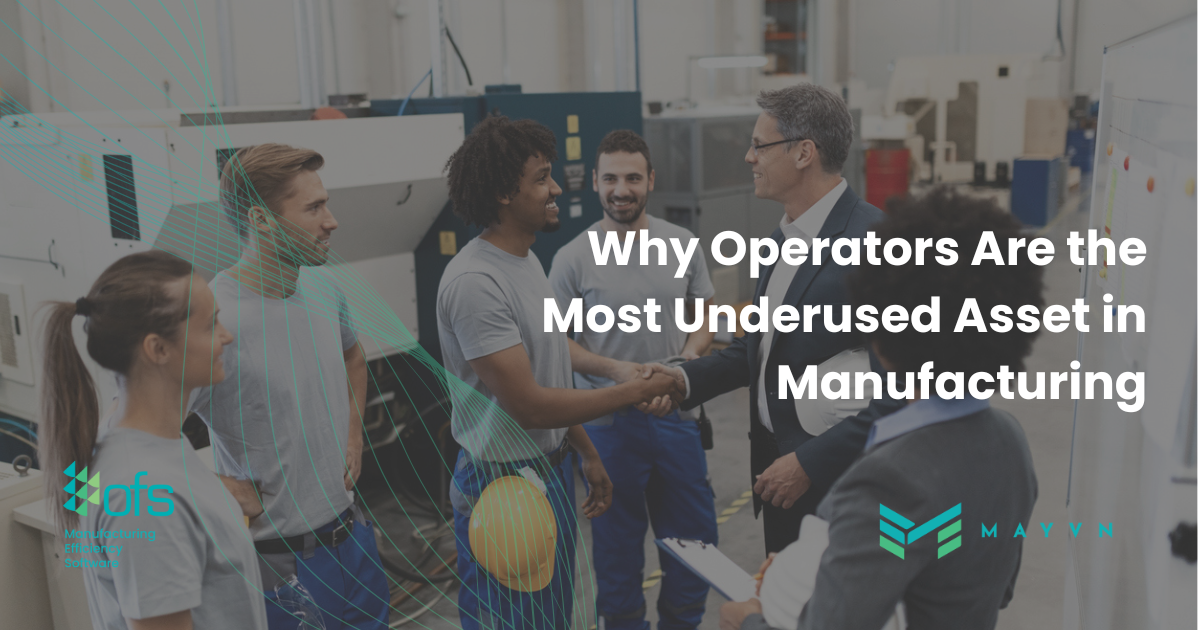
For years, manufacturing transformation has been framed as a technology problem. More data. Better systems. Smarter analytics. Yet productivity growth across Europe remains stubbornly slow, despite record investment in digital tools. The uncomfortable truth is this. Most factories are not short of technology. They are short of adoption.
According to the OECD, Europe’s productivity gap is driven less by access to new technologies and more by the slow and uneven way existing tools are embedded into daily work. The biggest gains come not from breakthrough innovation, but from better diffusion. In other words, helping people use what they already have more effectively. This is where operators come in. And where many transformation programmes quietly fall down.
Lean thinking has long been clear on this point. The Lean Enterprise Institute’s core principle of “go see, ask why, show respect” is not philosophical. It is practical. The people doing the work understand variation, disruption and loss before it appears in a report.
Operators know when materials are inconsistent. They know when a changeover will struggle. They know which faults are repeat offenders. And they know this in real time.
Yet in many factories, this insight never becomes visible. Data is collected, but context is missing. Performance is reviewed, but too late. Operators are asked to hit targets, but rarely given the tools to explain why those targets were missed.
The World Economic Forum has been explicit about why so many manufacturing transformations fail. Digital tools are often designed for analysts, not for operators. Data exists, but it is siloed, historical or disconnected from daily routines. When insight arrives days or weeks after the event, it no longer changes behaviour. It becomes commentary, not control. What operators need is not more dashboards. They need clarity in the moment decisions are being made. What is happening now? Why it is happening? What can be done about it?
There is a persistent myth that focusing on operators is about engagement rather than performance. In reality, it is about speed, accuracy and confidence.
Factories that treat operators as the primary source of operational insight move faster. Problems are identified earlier. Decisions are made closer to the line. Improvement becomes routine, not reactive.
This is exactly the gap the OECD highlights. Productivity improves when knowledge flows to where decisions are made, not when insight is trapped in reports reviewed far from the process.
The opportunity now is to connect real time data with operator knowledge. Not to replace experience, but to amplify it.
When operators can see performance clearly, explain loss as it happens, and ask better questions of the organisation, something important shifts. Conversations move from blame to cause. From opinion to evidence. From firefighting to learning.
That is when performance becomes repeatable.
Manufacturing does not need fewer people and more systems. It needs systems that respect how people work.
The factories that will outperform over the next decade will be those that stop treating operators as data inputs and start treating them as operational experts. Supported by real time insight. Embedded in daily routines. Trusted to lead improvement.
The technology already exists. The people already exist. The question is whether organisations are ready to bring the two together.
At OFS we are creating Centres of Excellence to showcase the businesses embracing innovation. If you would like to find out more contact Thomas Nolan on Thomas@OFSystems.com or apply here