Food and drink operations increasingly rely on connected safety technologies, but without a resilient, fit-for-purpose network beneath them, even the best risk-reducing systems can fail when conditions are most demanding.
Across food and drink manufacturing, processing and cold-chain logistics, there has been a significant increase in investment in technology designed to reduce risk to people, product and process.
This includes electronic audits, environmental and temperature monitoring, telemetry, sensors and alarms, as well as automated handling, scanners and AI-driven analytics.
These systems play a vital role in protecting food safety, maintaining compliance and safeguarding employees. However, there is a recurring issue we see across sites of all sizes.
The underlying network that these systems rely on is often treated as an afterthought.
Without a resilient, well-designed network, even the most advanced risk-reducing technologies cannot perform reliably when conditions become challenging.
The unseen foundation of safety technology
All connected safety systems ultimately depend on the network.
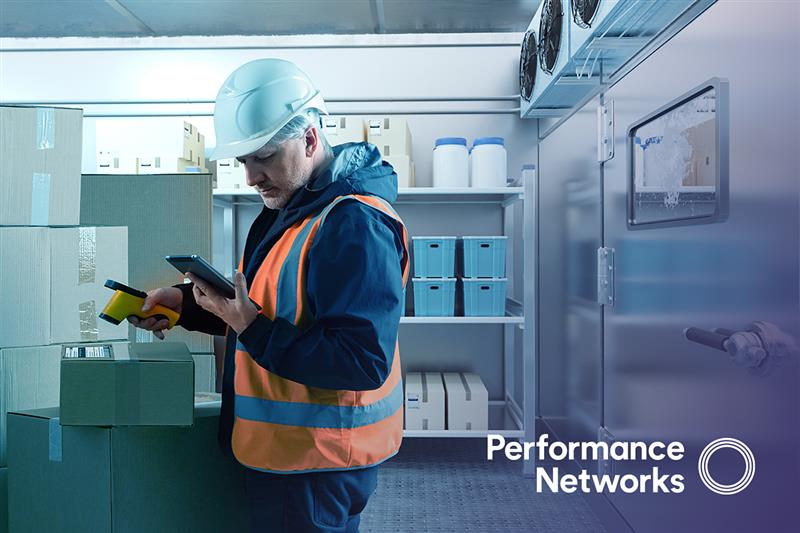
This includes Wi-Fi and wired connectivity supporting mobile workers and scanners, networks carrying data from sensors, alarms and monitoring equipment, systems enabling real-time alerts and audit trails, and secure connectivity linking operational technology (OT), IT and cloud platforms.
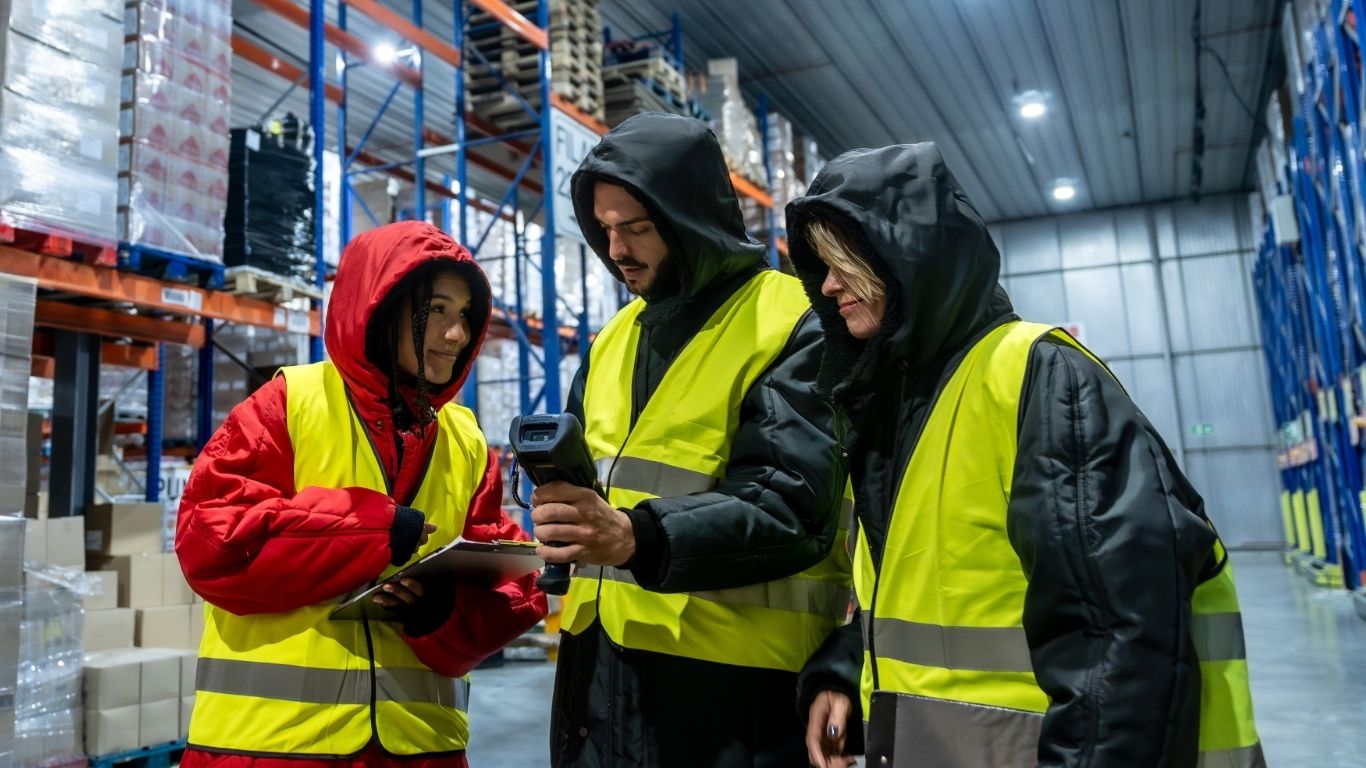
In food and drink environments, these networks operate under sustained pressure. Cold storage introduces low temperatures and condensation. Warehouses and production areas contain RF-hostile materials such as metal racking, machinery and packaging. Operations are highly dynamic, with constant movement of people, forklifts and stock, while uptime expectations remain high and tolerance for failure is low.
When networks are not designed specifically for these conditions, problems typically appear early including intermittent dropouts, delayed alerts, incomplete data or staff working around unreliable systems. Over time, confidence in safety technology is eroded and operational risk increases.
Why networks are often overlooked
Networks are rarely ignored deliberately. More often, they are assumed to be “already there” or treated as a generic utility rather than a ‘safety-critical’ operational system.
Common reasons include a focus on visible risk-reducing technologies rather than invisible infrastructure, network decisions being made late in projects after layouts and processes are fixed, and one-size-fits-all Wi-Fi designs being applied to complex industrial environments. In many cases, there is limited understanding of how directly network performance impacts the effectiveness of safety and compliance systems.
The result is that technology designed to reduce risk is deployed on top of networks that were never designed to support it under real operational load.
Network performance is a safety issue
In food and drink operations, network reliability is not just an IT concern, it directly affects health and safety.
Missed or delayed alerts from temperature or environmental sensors, incomplete audit data caused by dropped connections, reduced visibility during incidents or equipment failures, and increased manual workarounds all introduce additional risk. When systems are designed to protect people and product, the network enabling them must be treated with the same level of scrutiny as any other safety-critical component.
“If safety, compliance and product integrity rely on connected systems, then the network supporting them is not an IT nice-to-have, it is an operational safety dependency.”
How Performance Networks supports safer operations
Performance Networks Ltd specialises in network design, industrial Wi-Fi and cyber security for environments where failure is not an option, including food manufacturing, cold storage, logistics and distribution.
Our focus is on building networks that perform reliably under real operational conditions, consistently support safety, monitoring and compliance systems, are designed around the physical environment and workflow, and remain secure, resilient and scalable as operations evolve.
We work with businesses at different stages, from new site design through to improving existing networks that are struggling to keep pace with evolving safety technology. Crucially, we help organisations understand whether their current network is genuinely fit for purpose before issues impact safety or compliance.
In addition to design and deployment, we provide ongoing support to help ensure networks continue to perform as intended. This includes access to up to 24/7 support and systems designed to identify and address small issues early, before they accumulate into wider operational or safety risks.
Free network health check
As part of our support to British Frozen Food Federation members, Performance Networks is offering:
- Free Wi-Fi health check to assess network performance, resilience and risk.
• Free 30-minute consultation to discuss wider operational, safety and connectivity considerations.
This provides an independent view of your network performance and resilience, identifies risks that could affect safety systems, and offers practical recommendations aligned to operational reality.
If you have concerns about your current network or simply want reassurance that it is supporting your safety technology properly, we are happy to help.
Contact Performance Networks for a free evaluation:
Suzanne.adgar@performancenetworks.co.uk | M: 07795836194
https://meetings-eu1.hubspot.com/suzanne-adgar/30-min-introduction-to-wifi
About Performance Networks
Performance Networks specialises in network design, industrial Wi-Fi and security for complex, high-risk environments including food manufacturing, cold storage, logistics and distribution. We help organisations reduce operational and safety risk by ensuring their networks perform reliably under real-world conditions.
Performance Networks partners with organisations such as Zebra Technologies, Honeywell and Ruckus Networks, while taking a technology-agnostic approach focused on operational and safety needs.


 + 44 (0) 1400 283090


 February 19th, 2026.
























 + 44 (0) 1400 283090